Swein Forkbeard was a Viking king from Denmark who lived in the late 10th and early 11th centuries. He is remembered as the first Danish ruler to become king of England, even though he held that position for only a short time. In simple terms, he was a leader who grew his power through sea raids, battles, and agreements with local rulers. His nickname, Forkbeard, may have come from the shape of his beard, which some stories say was long and split.
Swein was the son of King Harald Bluetooth of Denmark. Harald is often linked with the early spread of Christianity in Scandinavia, which is the large region in northern Europe that includes Denmark. After disagreements with his father, Swein fought for control of Denmark and became king around the year 986. As a ruler, he worked to strengthen his kingdom, and he also led Viking raids. A raid is a sudden attack made to gain goods, land, or power.
During Swein’s rule, Viking ships crossed the North Sea to reach England. At that time, England was made of several areas ruled by local leaders who sometimes disagreed with one another. Swein’s forces attacked English towns and collected payments called Danegeld. Danegeld was money paid by English leaders to stop the raids. Over time, these payments made Swein richer and also weakened English defenses.
In the year 1013, Swein gathered a large army and returned to England to claim the throne. Many English leaders accepted him, and King Æthelred fled to Normandy, a region in northern France. With this, Swein became king of England, although he ruled for only a few weeks before he died in early 1014. Even though his time as king was brief, it had important effects on English history.
After Swein’s death, his son Cnut (also spelled Canute) returned to England and later became king. Cnut built a powerful North Sea empire that included Denmark, England, and Norway. Because of this, many historians see Swein Forkbeard as the ruler who helped begin a new period of Danish influence in England. His story shows how Viking leaders shaped early medieval Europe through travel, warfare, and alliances.
Today, Swein Forkbeard is remembered as a Viking king who changed the direction of English and Danish history. His short rule in England led to a dynasty, which means a line of rulers from the same family. His life helps students learn about how kingdoms grew, how leaders used military force, and how cultures met through both conflict and cooperation.
Swein Forkbeard
Level
readlittle.com
Danish king who ruled England
What We Can Learn
- Swein Forkbeard was a Danish Viking king.
- He briefly became king of England in 1013.
- His raids and demands for Danegeld increased his power.
- His son Cnut later created a large North Sea empire.
Related Reads
Qing dynasty
Last imperial dynasty of China
Ming dynasty
Chinese dynasty from 1368 to 1644
Leif Erikson
Viking explorer of North America
Louis XV
King of France in the 1700s
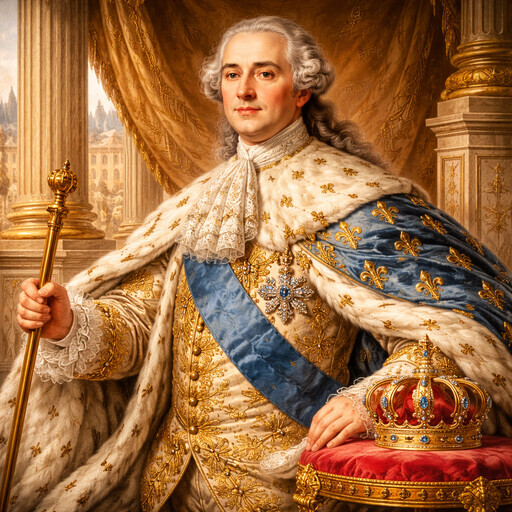
Louis XVI
Last king of France before revolution
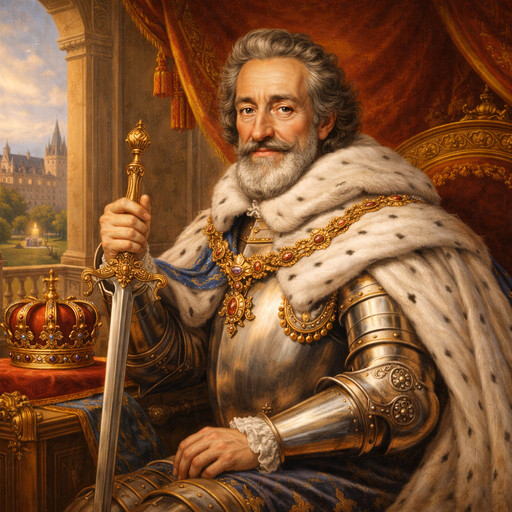
Henry IV of France
First Bourbon king of France
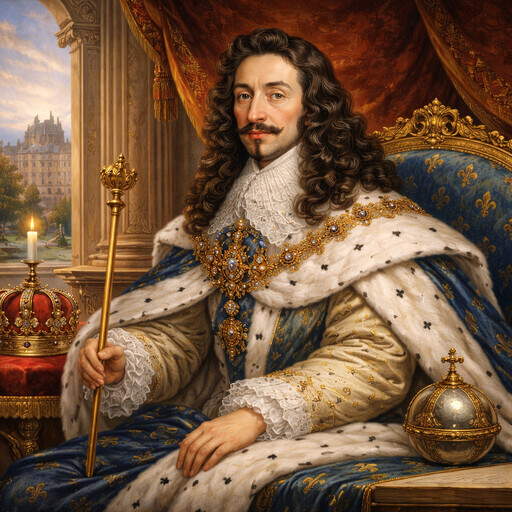
Louis XIII
King of France in the early 1600s

Thomas Cromwell
Chief minister to King Henry VIII

Quakers
Christian group founded in 1600s England

Yuan dynasty
Mongol-led dynasty of China
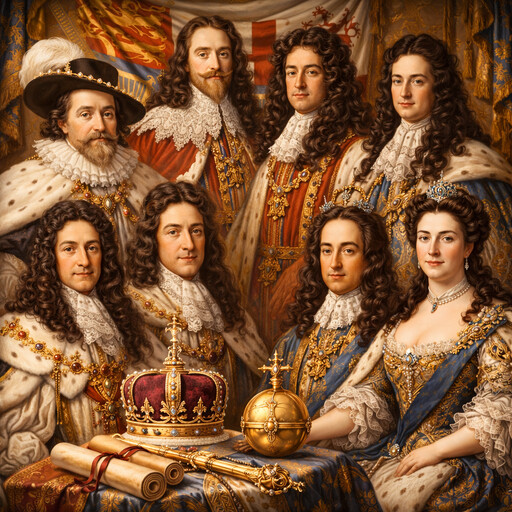
House of Stuart
Royal family of Britain and Scotland
Richard II
Young medieval king of England