Denmark sits between the North Sea and the Baltic Sea, centered on the Jutland Peninsula and more than 400 islands, of which Zealand, Funen, and Bornholm are the largest. Low coastlines, fjords, and dunes shape the landscape, and bridges such as the Great Belt and Øresund links tie the archipelago to Sweden and continental Europe. The temperate maritime climate supports grain fields, pastures, and fisheries, while wind gusts rolling off the sea power turbines across the horizon.
The country is a constitutional monarchy with a queen as head of state and a prime minister leading a coalition government accountable to the Folketing, Denmark's parliament. Municipalities and regions manage healthcare, transit, and education, and citizens participate in consensus-driven politics that emphasize transparency, gender equality, and social services. Greenland and the Faroe Islands are autonomous territories within the realm, coordinating their own parliaments while sharing defense and foreign affairs with Copenhagen.
History traces Viking seafarers, medieval market towns, and a period as a North Sea empire that once included Norway, Iceland, and parts of Sweden. Constitutional reforms in 1849 established parliamentary rule, industrialization turned harbor warehouses into factories, and 20th-century social reforms built the modern welfare model. Denmark remained occupied during World War II yet protected most of its Jewish population through daring boat lifts to Sweden, and postwar governments invested in cooperative agriculture and renewable energy research.
Today's economy blends pharmaceuticals, shipbuilding, offshore wind, biotech, and food processing with globally recognized design, architecture, and shipping companies headquartered in Copenhagen and Aarhus. Farmers cultivate pigs, dairy, and organic produce, while energy planners develop district heating, smart grids, and hydrogen pilots. Universities collaborate with start-ups on robotics and clean tech, and cyclists share space with electric buses on streets planned for resilience to sea-level rise.
Cultural life celebrates fairy tales by Hans Christian Andersen, the colorful harbor of Nyhavn, and UNESCO-listed Kronborg Castle. Hygge, the Danish concept of cozy togetherness, infuses winter gatherings, while festivals highlight jazz, film, and New Nordic cuisine that champions local ingredients. Denmark contributes diplomats and peacekeepers to NATO, the European Union, and Arctic Council deliberations, advocating for maritime safety, climate action, and human rights.
Denmark
Level
readlittle.com
Nordic kingdom of islands and innovation
What We Can Learn
- Denmark spans the Jutland Peninsula and hundreds of islands linking the North Sea and Baltic Sea.
- A constitutional monarchy and consensus politics sustain social services and regional autonomy.
- Viking heritage, constitutional reforms, and renewable innovation shape national identity.
- Design, agriculture, shipping, and wind power drive the modern economy.
Related Reads
No image
Monarchy
Government ruled by a royal family

Johann Gottfried Herder
German thinker of culture and language
Cuban Missile Crisis
Cold War nuclear standoff in 1962
Henry Kissinger
American diplomat and foreign policy leader
Second Opium War
Renewed conflict between China and Western powers
Ming dynasty
Chinese dynasty from 1368 to 1644
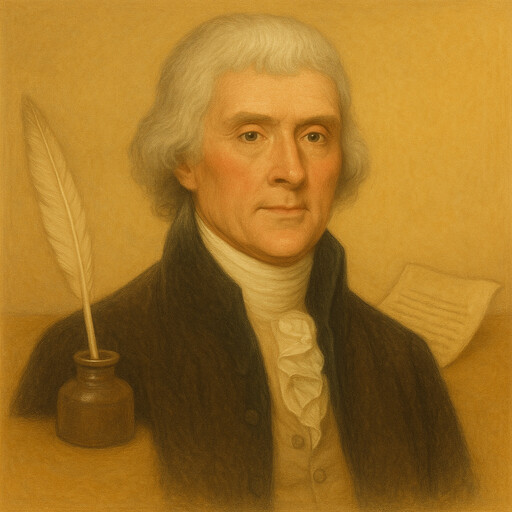
Thomas Jefferson
Author and third U.S. president
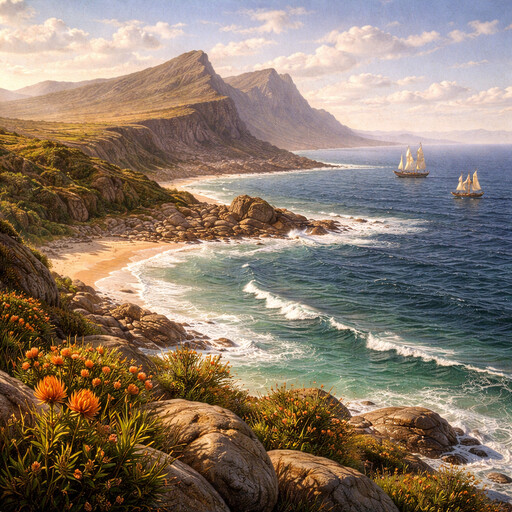
Cape of Good Hope
Southern headland of Africa
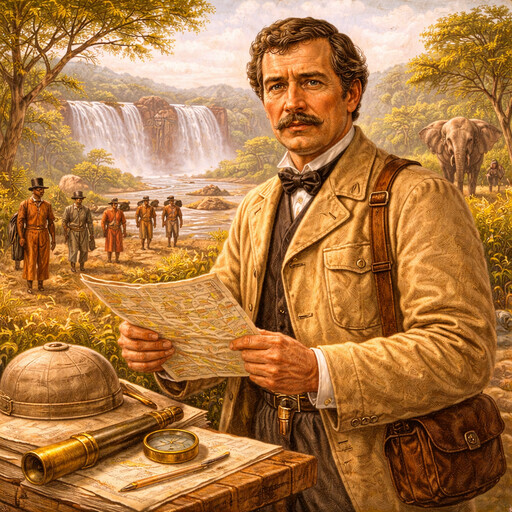
David Livingstone
Scottish explorer of Africa
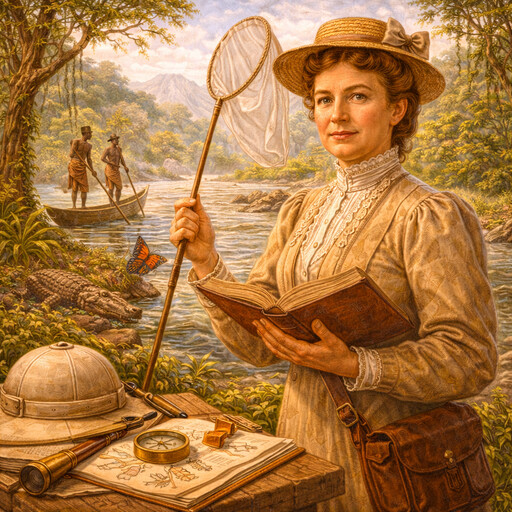
Mary Kingsley
British traveler and writer in West Africa

Louisiana Purchase
A land deal that doubled the United States

Lewis and Clark Expedition
Exploring the land west of the Mississippi