Zoo is short for zoological park. Early zoos existed mainly to display exotic animals for entertainment, but today's accredited zoos set higher goals. They create realistic habitats, provide medical care, and teach visitors how to protect wildlife. Zoos often partner with aquariums, botanical gardens, and museums to share knowledge.
animal care teams include keepers, veterinarians, nutritionists, and behavior specialists. Keepers prepare balanced diets, train animals to participate in health checks, and enrich enclosures with puzzles, scents, or climbing structures. Veterinarians monitor health with physical exams, blood tests, and imaging, just like doctors do with people.
Conservation is a central mission. Many zoos participate in species Survival Plans, which manage breeding programs for threatened animals such as red pandas, African penguins, and black-footed ferrets. Scientists share genetic data to match animals from different facilities, keeping populations healthy. Some zoos raise animals for reintroduction into the wild, as happened with the California condor.
Education programs reach millions of visitors. Interpretive signs, guided tours, summer camps, and virtual classrooms explain animal adaptations, habitats, and challenges like poaching or climate change. By seeing living animals up close, students can connect course lessons to real-life conservation stories.
Zoos also conduct research. Behavioral studies reveal how animals communicate, nutritionists test new diets, and vets collaborate on vaccines for emerging diseases. data collected at zoos help wild populations too, offering insights into reproduction, genetics, and disease prevention.
Responsible zoos constantly improve animal welfare. They design habitats with space for natural behaviors, provide privacy areas, and measure stress hormones to ensure animals feel comfortable. Visitors support this work by following zoo rules, attending keeper talks, donating to conservation funds, and making wildlife-friendly choices at home.
Zoo
Level
readlittle.com
Safe spaces for animals and learning
What We Can Learn
- Modern zoos care for animals while promoting education and conservation
- Teams of keepers, vets, and scientists provide nutrition, enrichment, and medical care
- Breeding programs and reintroduction projects help endangered species
- Visitors learn how to protect wildlife and support research by engaging respectfully
Related Reads

Socrates
A thinker of ancient Athens

Plato
A thinker of ancient Athens

Aristotle
A thinker of ancient Greece

Viking Age
Time of Norse travel and settlement

Canterbury
Historic English city and pilgrimage center

Emma of Normandy
Queen in early medieval England

Gorilla
Forest gardeners with gentle strength
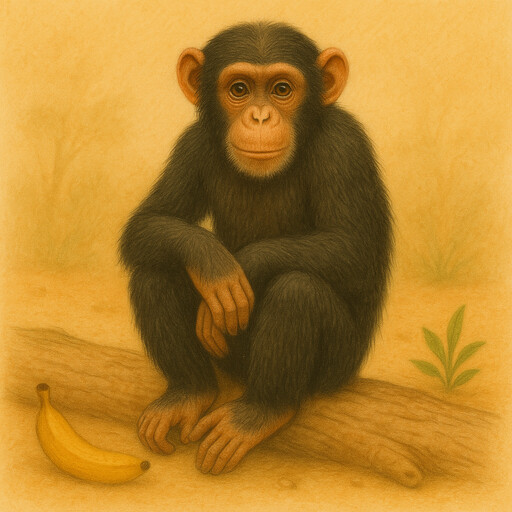
Chimpanzee
Inventive problem-solvers of African forests

Alfred the Great
King of Wessex who defended England

Mongoose
Quick hunters with shared dens
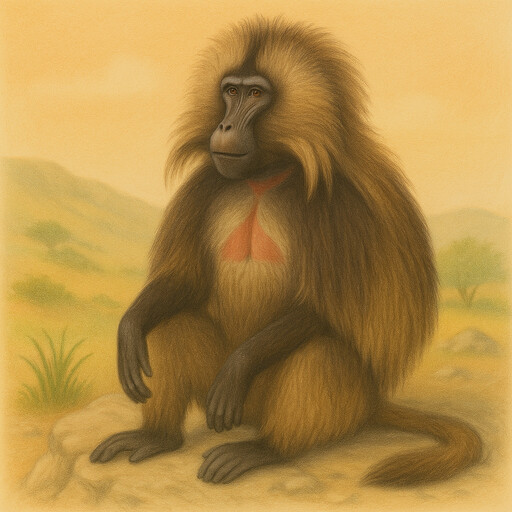
Gelada
Grass-eating monkeys of the highlands
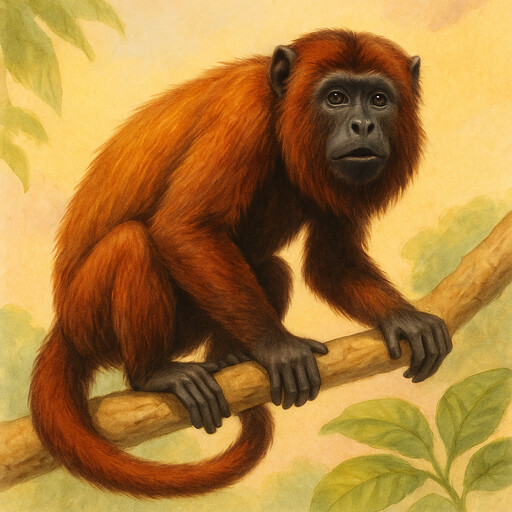
Howler monkey
Rainforest alarm bells