Algeria spans 2.4 million square kilometers in North africa, giving it more land than any other African country. Algiers, the capital, rises in tiers of white buildings above the Mediterranean sea, while Oran and Annaba anchor western and eastern ports. South of the coastal tell, the Atlas Mountains catch rains that feed wheat fields, cedar forests, and hillside villages before the landscape opens into stony hamada and dune-filled erg deserts.
The Sahara covers roughly 80 percent of Algeria and includes dramatic sites like Tassili n'Ajjer, famous for prehistoric rock art, and the Hoggar Mountains, home to Tuareg communities and volcanic peaks. Oases such as Ghardaïa and Timimoun rely on underground water channels called foggaras to irrigate date palms. Solar farms now dot desert plateaus, complementing gas pipelines that carry energy toward europe.
Algeria's history weaves Berber kingdoms, Phoenician trade, Roman cities like Timgad, Arab-Islamic learning centers, and centuries of Ottoman influence. French colonization began in 1830 and lasted until the Algerian War of Independence (1954–1962), when the National Liberation Front fought for self-rule. The modern republic adopted Arabic and Tamazight (Berber languages) as official tongues and continues to refine institutions through elections and constitutional reforms.
Hydrocarbons account for most export earnings, with Sonatrach operating gas fields in Hassi R'Mel and oil installations in the Sahara. The government also promotes petrochemical plants, phosphate mining, desalination projects, and diversified agriculture producing citrus, olives, and cereals. Entrepreneurs in Constantine and Sétif run textile workshops, while software firms and film festivals highlight Algeria's creative sector.
Cultural life blends Andalusian music, raï pop from Oran, Amazigh crafts, and family meals built around couscous, harira soup, and mint tea. Football clubs unite neighborhoods, and universities in Blida and Tlemcen train engineers focused on energy efficiency, desert architecture, and water-saving technologies. Festivals celebrating Yennayer (Amazigh New Year) and Mawlid gather communities to share poetry, stories, and hopes for the future.
Algeria
Level
readlittle.com
Mediterranean coast and Sahara heartland
What We Can Learn
- Algeria stretches from Mediterranean coasts through Atlas Mountains into the Sahara
- Berber heritage, Islamic scholarship, and a long independence war shape national identity
- Natural gas, oil, solar projects, and agriculture support the economy
- Music, language revival, and festivals keep Amazigh and Arab cultures thriving
Related Reads

Johann Gottfried Herder
German thinker of culture and language
No image
Monarchy
Government ruled by a royal family
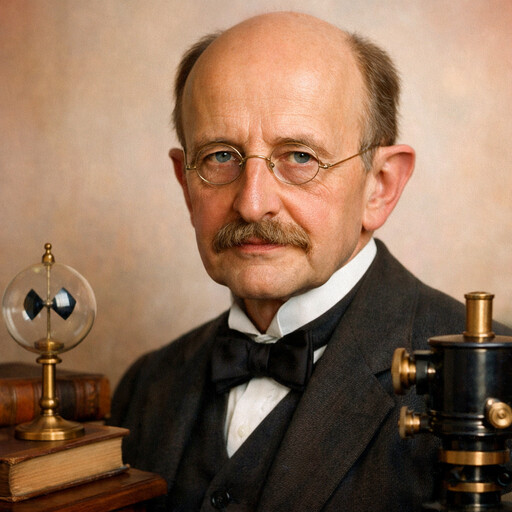
Max Planck
Founder of quantum theory
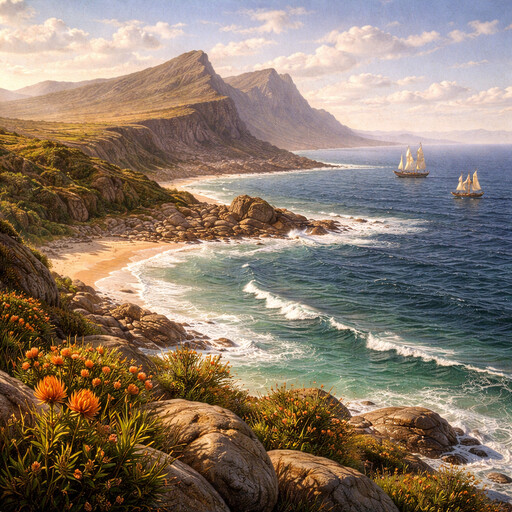
Cape of Good Hope
Southern headland of Africa
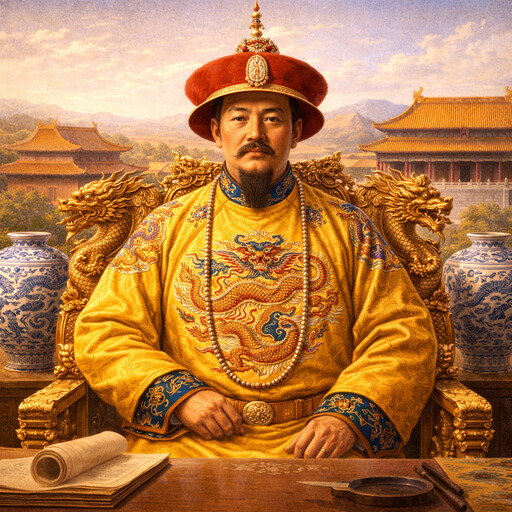
Ming dynasty
Chinese dynasty from 1368 to 1644
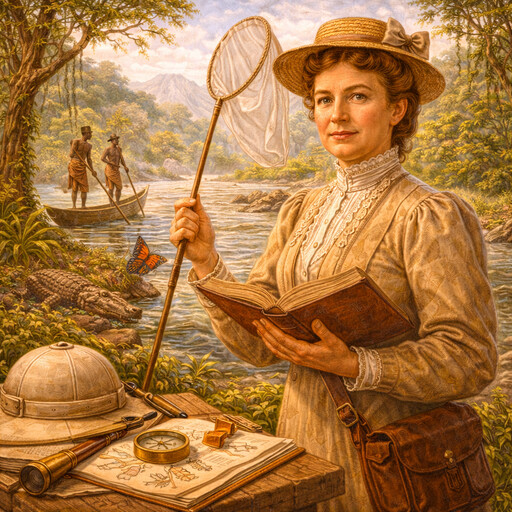
Mary Kingsley
British traveler and writer in West Africa
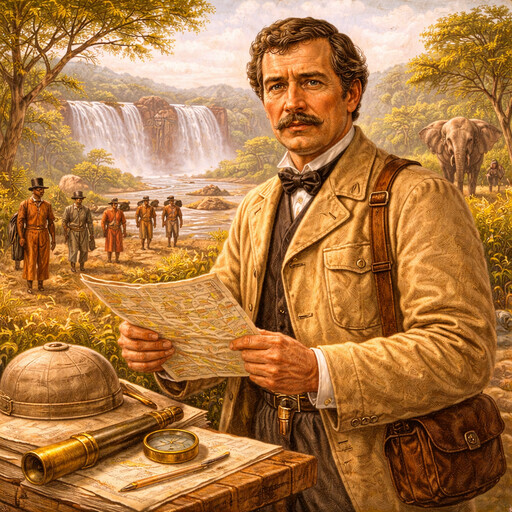
David Livingstone
Scottish explorer of Africa

Lewis and Clark Expedition
Exploring the land west of the Mississippi
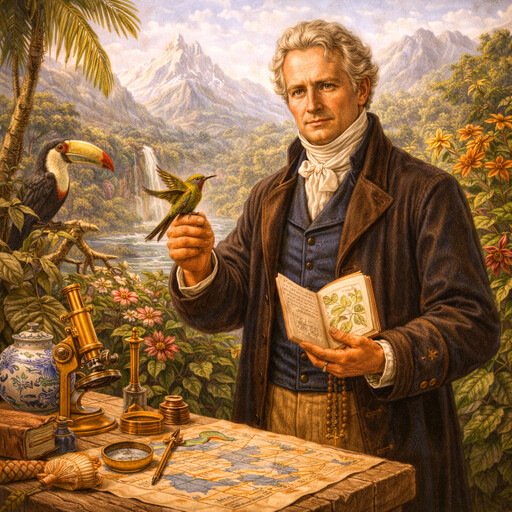
Alexander von Humboldt
Explorer of nature and the natural world
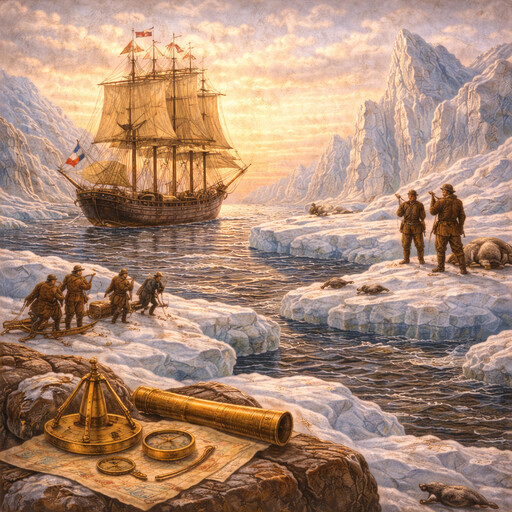
Northwest Passage
A sea route through Arctic waters
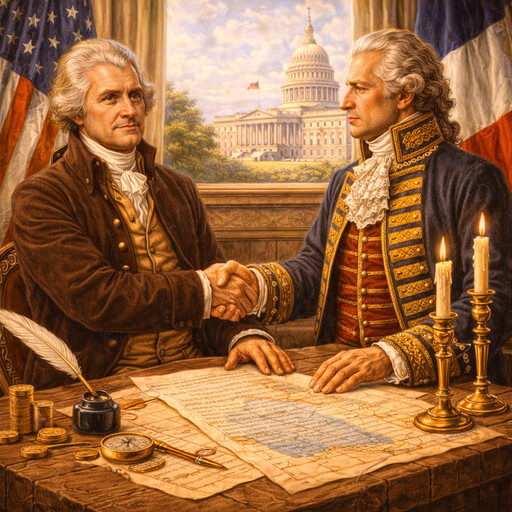
Louisiana Purchase
A land deal that doubled the United States
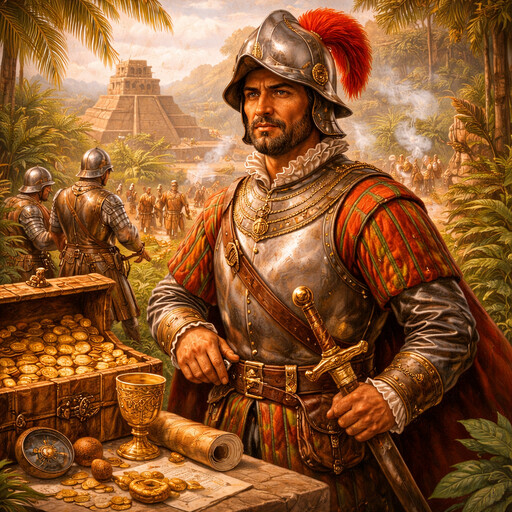
Conquistador
Spanish explorers and soldiers of empire