Ancient Rome was a long-lasting civilization that began in the city of Rome, on the Italian Peninsula. It started around the 8th century BCE. At first, Rome was a small settlement. Over time, it grew into a powerful state that controlled many lands around the Mediterranean Sea. The history of Ancient Rome is usually divided into three periods: the kingdom, the republic, and the empire.
In its early period, Rome was ruled by kings. According to tradition, the city was founded by Romulus. After the kings were removed, Rome became a republic. A republic is a system of government in which leaders are chosen by citizens or representatives. During this time, Rome was governed by elected officials such as consuls and a council called the Senate. The Senate was made up of important men from leading families.
As Rome expanded, it fought many wars. These wars helped Rome gain land and wealth. One major rival was Carthage, a powerful city in North Africa. The wars between Rome and Carthage are called the Punic Wars. After winning these wars, Rome controlled much of the western Mediterranean. Roman armies were well trained and organized, which helped Rome defeat many enemies.
Later, the republic faced serious problems. Power struggles and civil wars weakened the government. One important figure was Julius Caesar. He was a general and political leader. After his death, Rome changed into an empire. An empire is a state ruled by one leader with control over many lands. The first emperor was Augustus. Under the empire, Rome reached its greatest size.
Ancient Rome was known for its cities, roads, and buildings. Romans built stone roads that connected distant regions. They also built aqueducts, which are structures that carry water over long distances. Roman buildings included temples, baths, theaters, and amphitheaters. The Colosseum in Rome is a famous example. Many Romans enjoyed public events such as plays and games.
The Roman Empire lasted for several centuries. Over time, it became difficult to govern such a large area. The western part of the empire ended in the 5th century CE. The eastern part continued as the Byzantine Empire. Ancient Rome left many records, buildings, and laws that show how the civilization was organized and how people lived.
Ancient Rome
Level
readlittle.com
A powerful civilization of the ancient Mediterranean
What We Can Learn
- Ancient Rome began as a small city and became a large empire.
- It changed from a kingdom to a republic and then an empire.
- Roman armies helped expand Roman control.
- Roman roads and buildings connected many regions.
Related Reads

Peter the Great
Russian ruler who reshaped his country
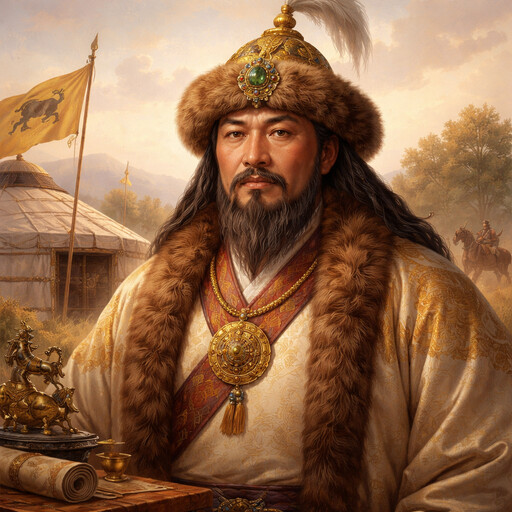
Ögedei Khan
Second ruler of the Mongol Empire
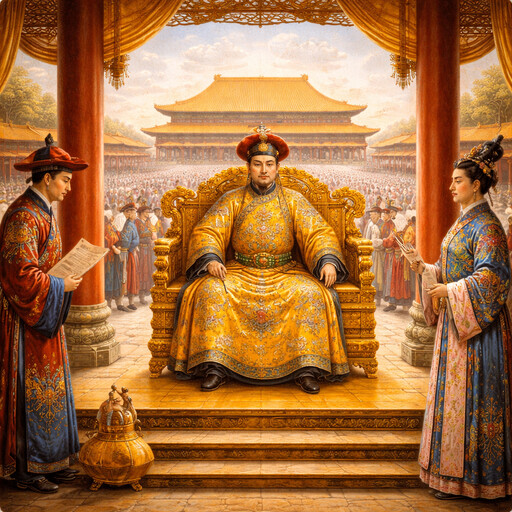
Qing dynasty
Last imperial dynasty of China
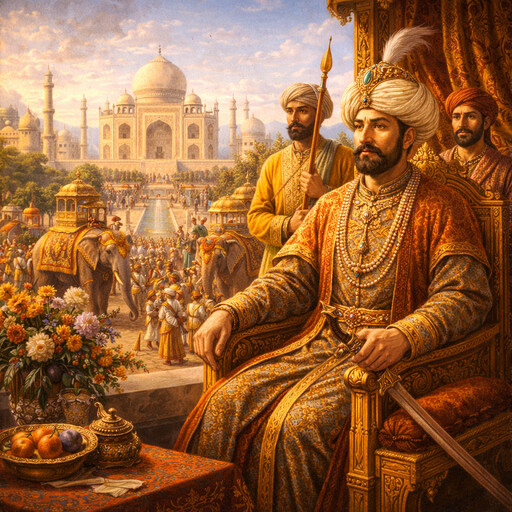
Mughal Empire
Powerful empire in South Asia
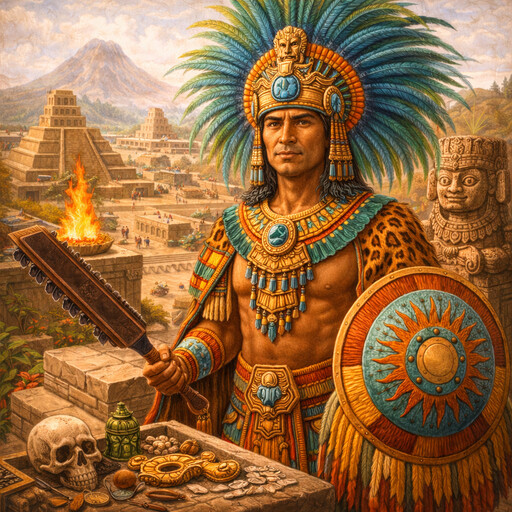
Aztecs
A powerful civilization of ancient Mexico
Alexander the Great
King and conqueror of the ancient world
Russian Empire
Large empire ruled by Russian monarchs
Sumer
One of the earliest civilizations
Mesopotamia
Ancient land between two rivers
Empire of Japan
Japan as an imperial state
German Empire
Unified German state from 1871

Napoleon III
Emperor of France in the 1800s