Peninsula translates to "almost an island." It is land bordered by water on most sides but attached to the mainland. Famous examples include the Iberian Peninsula containing spain and portugal, the Arabian Peninsula between the Red sea and Persian gulf, and Florida extending into the Atlantic and Gulf of mexico.
Peninsulas can form when rising seas flood lowlands, when rivers carve channels on three sides of a landmass, or when tectonic forces stretch crust outward. Their elongated shapes expose them to maritime winds, often creating milder climates than inland regions at the same latitude.
Because peninsulas jut into waterways, they host important ports and trade routes. The Korean Peninsula connects continental asia to the Pacific, while the Italian Peninsula reaches deep into the Mediterranean, linking europe to North africa. Narrow connections called isthmuses, such as Panama, sometimes become sites for canals that speed global shipping.
Peninsulas also support unique ecosystems. Coastal dunes, estuaries, mangroves, and coral reefs can all exist within a short distance. Wildlife corridors across peninsulas help species migrate between continents and islands. At the same time, peninsulas may face hurricanes, monsoons, or tsunamis depending on nearby ocean basins.
Understanding peninsulas helps students grasp world geography, political history, and cultural exchange. Maps showing peninsulas reveal how natural boundaries influence language, cuisine, and architecture. Protecting peninsular habitats requires cooperation among communities that share coastlines, rivers, and migratory pathways.
Peninsula
Level
readlittle.com
Land almost surrounded by water
What We Can Learn
- Peninsulas are landmasses surrounded by water on most sides but still attached to a continent
- Their climates and ecosystems are shaped by surrounding seas
- Strategic peninsulas host major ports, canals, and cultural crossroads
- Geography lessons about peninsulas explain trade routes and environmental challenges
Related Reads

Johann Gottfried Herder
German thinker of culture and language
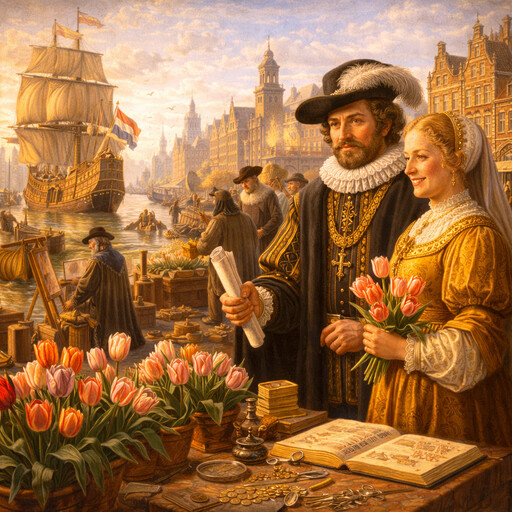
Dutch Golden Age
Period of Dutch global growth
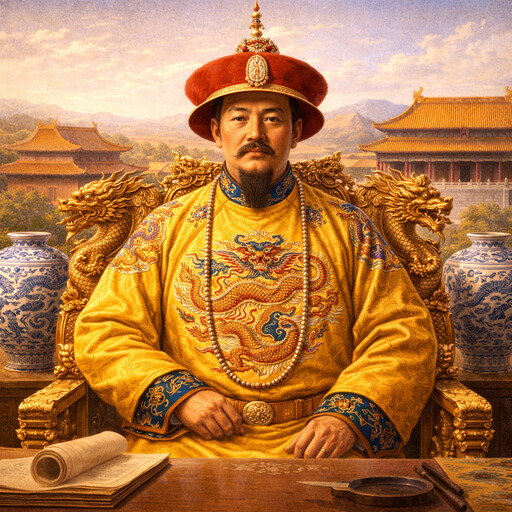
Ming dynasty
Chinese dynasty from 1368 to 1644
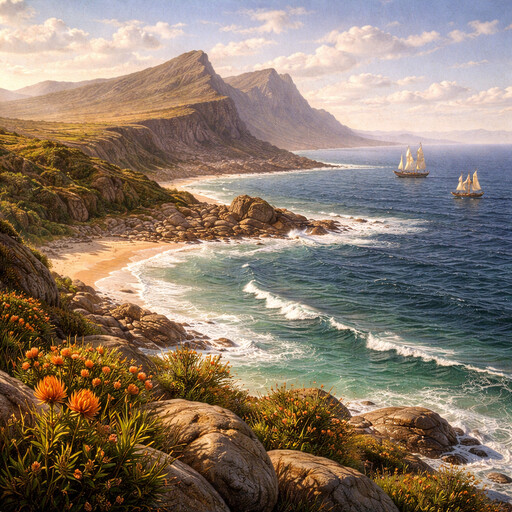
Cape of Good Hope
Southern headland of Africa
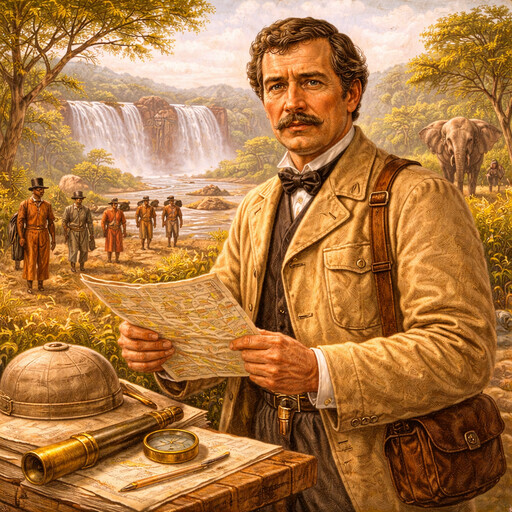
David Livingstone
Scottish explorer of Africa
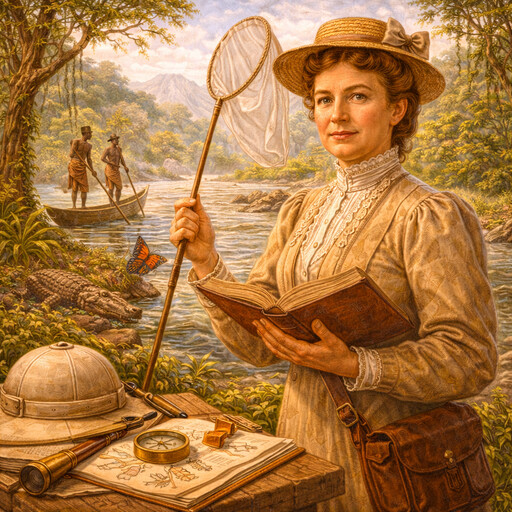
Mary Kingsley
British traveler and writer in West Africa
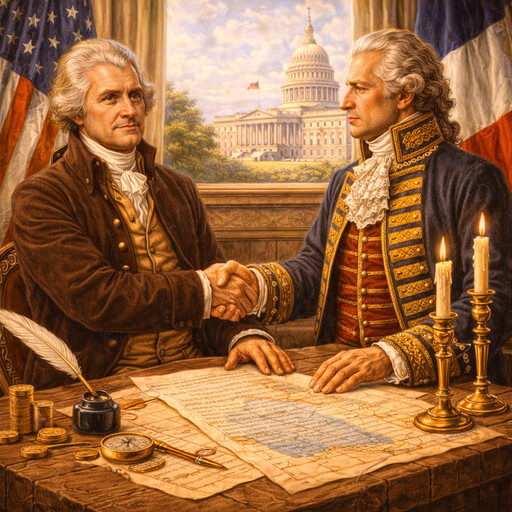
Louisiana Purchase
A land deal that doubled the United States
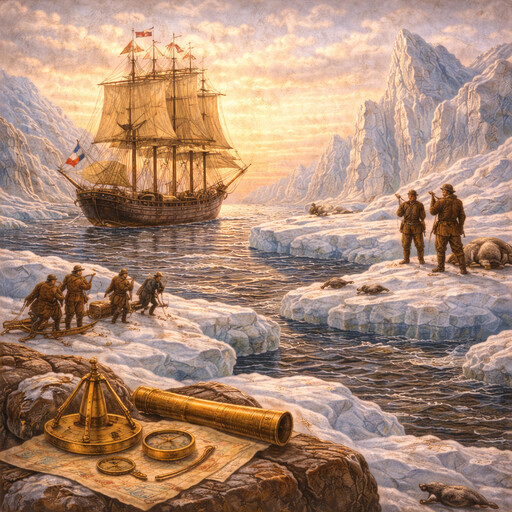
Northwest Passage
A sea route through Arctic waters

Lewis and Clark Expedition
Exploring the land west of the Mississippi
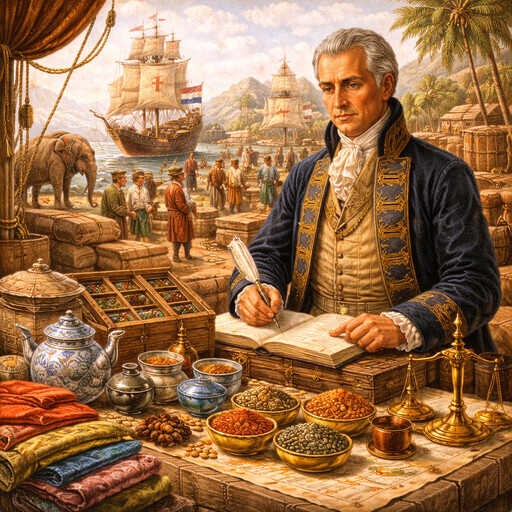
East India Company
British trading company that ruled India
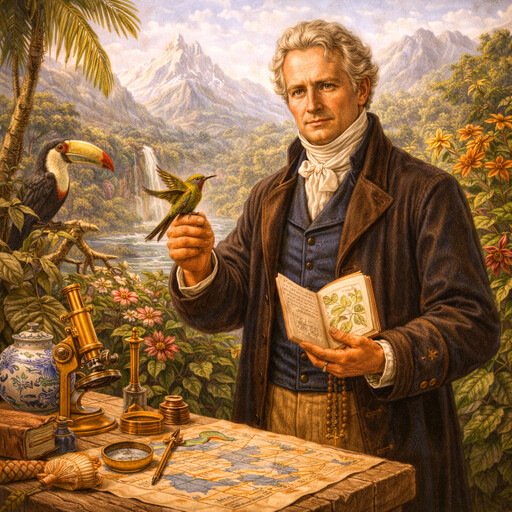
Alexander von Humboldt
Explorer of nature and the natural world
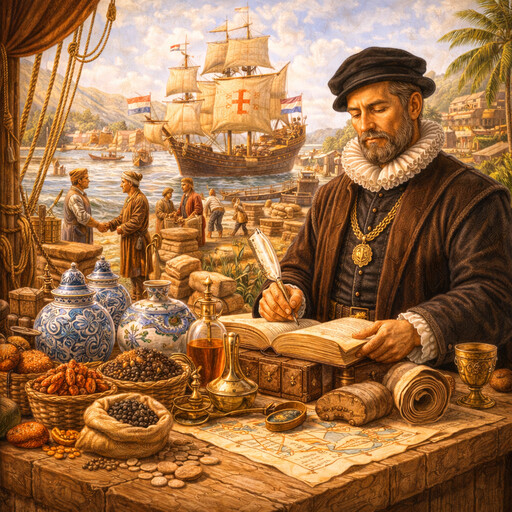
Dutch East India Company
Powerful trading company of the Netherlands