Dinosaurs were a diverse group of reptiles that lived on Earth for more than 150 million years. They first appeared during the Triassic Period and lived until the end of the Cretaceous Period, when most dinosaur species became extinct. Dinosaurs lived on land and are known for their wide range of sizes and shapes. Some were small and fast, while others were huge and walked on four legs.
Scientists study dinosaurs by examining fossils. A fossil is the preserved remains or traces of a once-living organism. Many dinosaur bones, teeth, and footprints have been found in rock layers around the world. These fossils help researchers learn how dinosaurs moved, ate, and grew. For example, long-necked dinosaurs, such as sauropods, had bodies suited for reaching tall plants, while meat-eating dinosaurs had sharp teeth for catching prey.
Dinosaurs lived in many environments, including forests, deserts, and coastal areas. Their world was very different from today’s. The continents were arranged differently, and the climate was often warmer. Because of these changes, dinosaur habitats provided food sources that supported many species. Some dinosaurs lived in groups, while others lived alone. Fossils of nests suggest that some species laid eggs and cared for their young.
Although dinosaurs were reptiles, they were not the same as lizards or crocodiles. Dinosaurs had a unique hip structure that helped hold their legs directly under their bodies. This allowed them to stand and move differently from other reptiles. Some dinosaurs were covered in feathers, which scientists have found in fossils from certain species. These discoveries show how dinosaurs changed over time and how some traits may connect them to modern birds.
At the end of the Cretaceous Period, most dinosaur species disappeared in a mass extinction event. Many scientists think this event was caused by a large asteroid impact, along with changes in climate and volcanic activity. After dinosaurs became extinct, mammals and other animals became more common and eventually filled the spaces left behind.
Today, people study dinosaurs to understand Earth’s past and how life changes through time. Museums around the world display dinosaur skeletons based on fossil discoveries. These displays help show what dinosaurs may have looked like, how big they were, and how they lived in their ancient environments.
Dinosaur
Level
readlittle.com
Ancient reptiles of Earth's past
What We Can Learn
- Dinosaurs were reptiles that lived millions of years ago.
- Fossils provide evidence of their bodies and behaviors.
- They lived in many environments and showed great diversity.
- Most dinosaurs became extinct at the end of the Cretaceous Period.
Related Reads
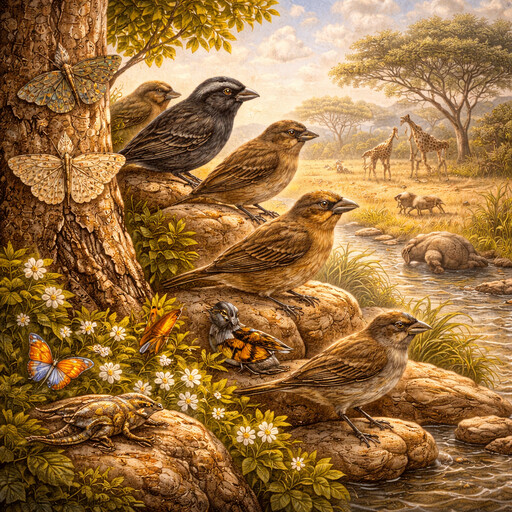
Natural selection
How living things change over time
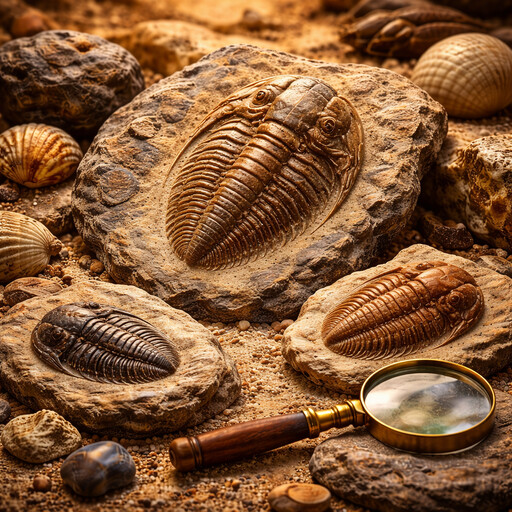
Trilobite
An ancient sea animal fossil
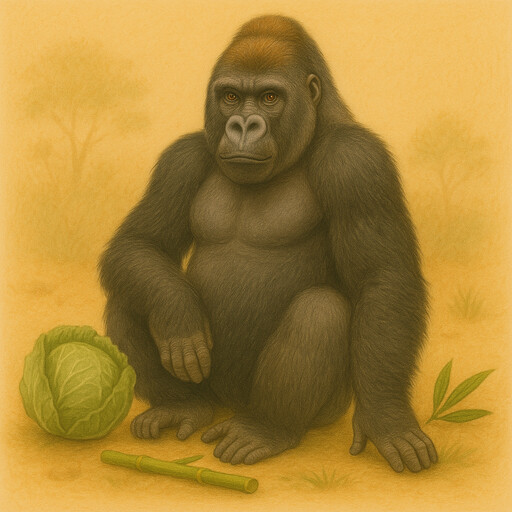
Gorilla
Forest gardeners with gentle strength
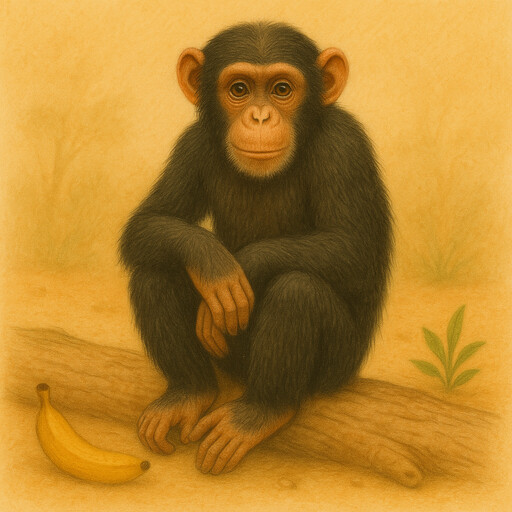
Chimpanzee
Inventive problem-solvers of African forests
Ape
Tailless primates with flexible minds
Gibbon
Singing acrobats of the canopy
Orangutan
Solitary engineers of the canopy
Capuchin
Quick-handed monkeys of the Americas
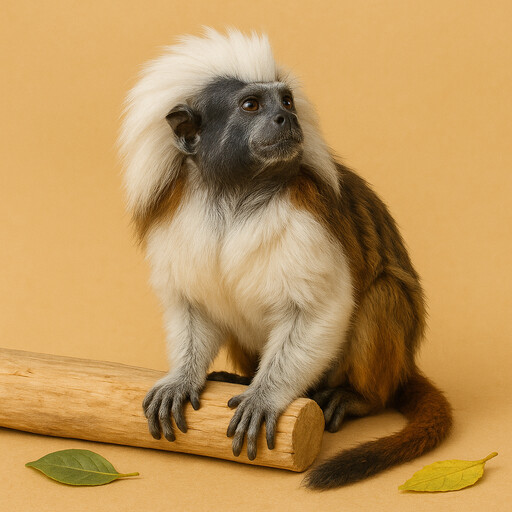
Tamarin
Tiny monkeys with bold mustaches
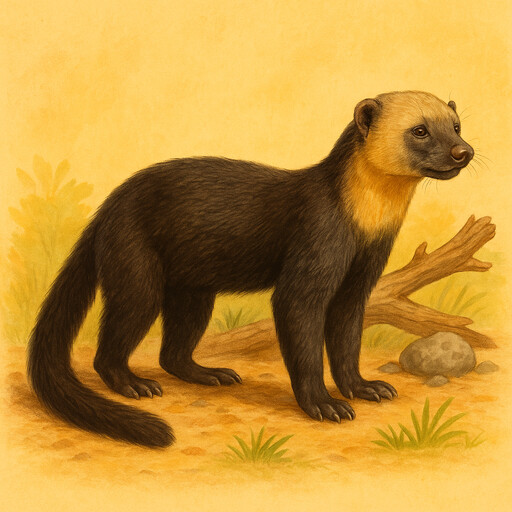
Tayra
Restless hunters of the Neotropics
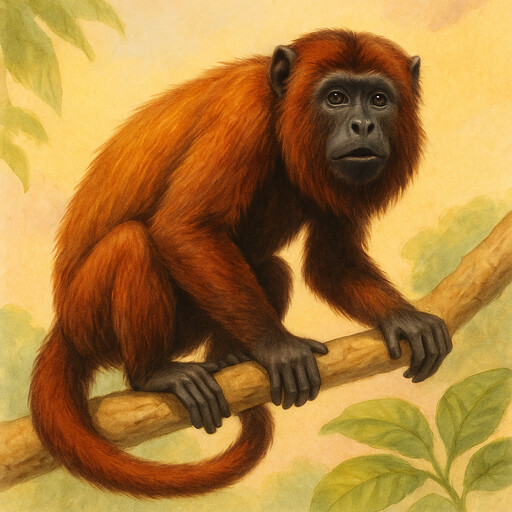
Howler monkey
Rainforest alarm bells
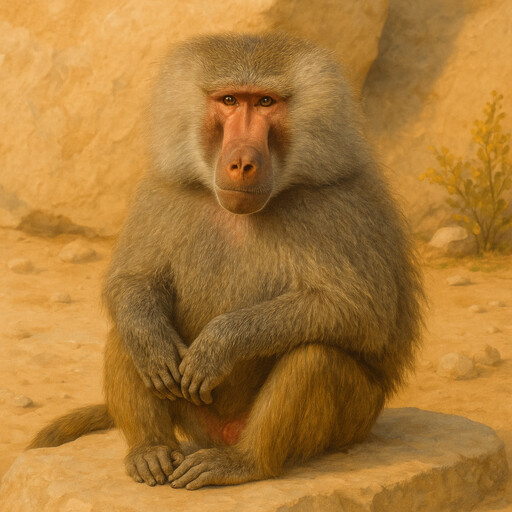
Baboon
Savanna troubleshooters