Reptile is a class of animals that breathe air, have backbones, and wear dry, scaly skin. Unlike amphibians, reptiles do not need to stay wet, so they thrive in hot deserts, rocky cliffs, watery swamps, and even the open sea. Their scales protect against injury and reduce water loss, letting them bask under the sun without drying out.
Reptiles are ectothermic, or cold-blooded. Their body temperature matches the environment, so they bask on warm rocks to gain heat and slip into shade or water to cool down. This strategy saves energy because they do not burn food to stay warm, but it also limits activity during chilly weather.
Most reptiles lay leathery eggs on land, though some, such as certain boas and skinks, give birth to live young. Turtles bury eggs in sandy nests, crocodiles guard mound-shaped nests, and snakes hide clutches under leaves. After hatching, many reptile babies are independent from the start, relying on instincts to hunt and hide.
Diets vary widely. Iguanas browse plants, snakes swallow rodents and birds whole, crocodiles ambush fish and mammals, and sea turtles graze on seagrass or jellyfish. Forked tongues, heat-sensing pits, and excellent night vision help reptiles find prey even when they move slowly.
Reptiles play important roles in ecosystems by controlling pests, cycling nutrients, and providing food for other wildlife. habitat destruction, poaching, pollution, and climate change threaten many species, especially turtles that depend on quiet beaches. Protected areas, responsible pet care, and citizen science projects help scientists monitor reptile populations and teach communities how to live alongside them.
Reptile
Level
readlittle.com
Scaly survivors of sun and shade
What We Can Learn
- Reptiles are scaly, air-breathing vertebrates that conserve water
- They rely on outside heat to control body temperature
- Reproduction usually involves land-based eggs, though some species birth live young
- Conserving habitats and reducing pollution protects reptile diversity
Related Reads
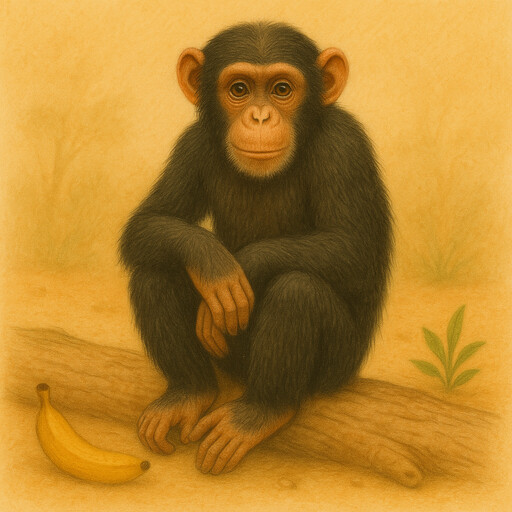
Chimpanzee
Inventive problem-solvers of African forests
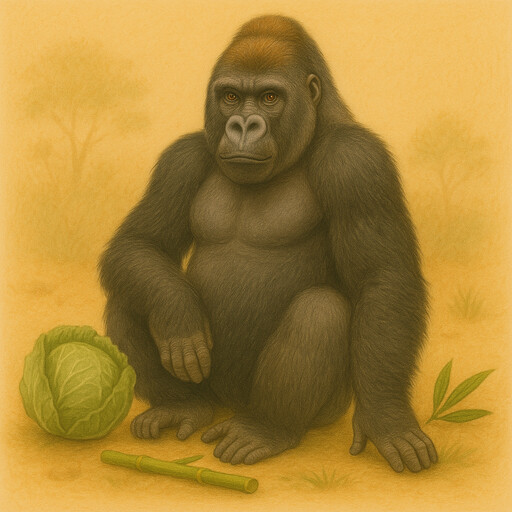
Gorilla
Forest gardeners with gentle strength
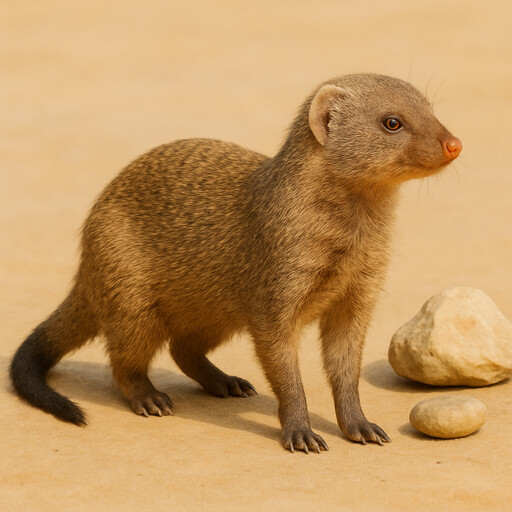
Mongoose
Quick hunters with shared dens
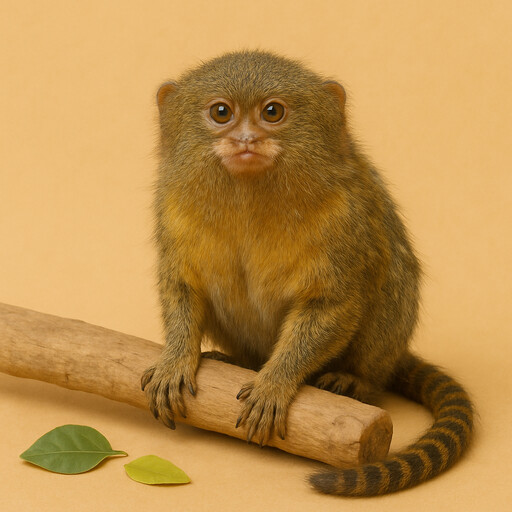
Pygmy marmoset
Thumb-sized sap specialist
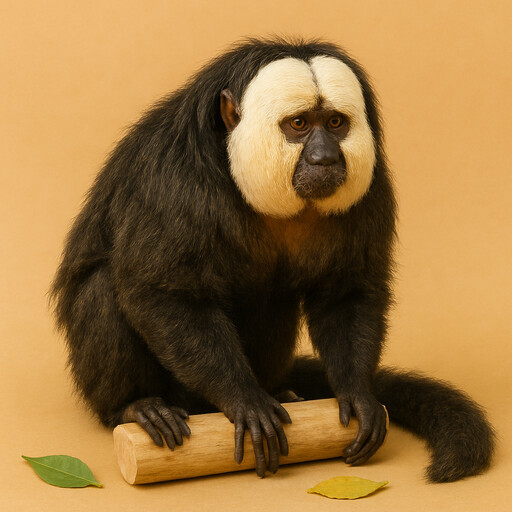
Saki
Shaggy-tailed seed eaters
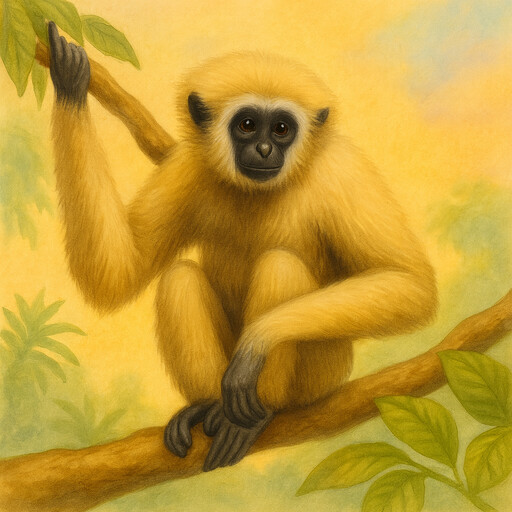
Gibbon
Singing acrobats of the canopy
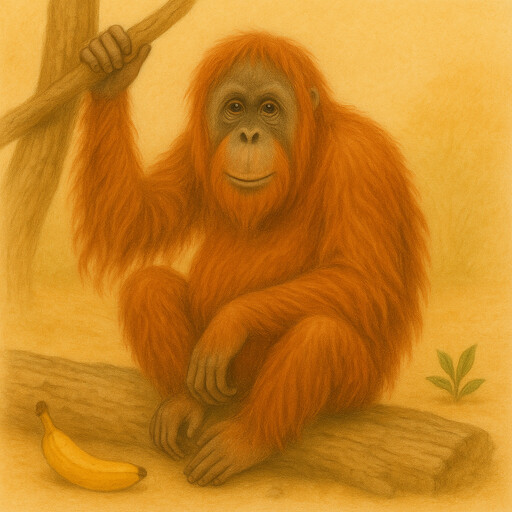
Orangutan
Solitary engineers of the canopy
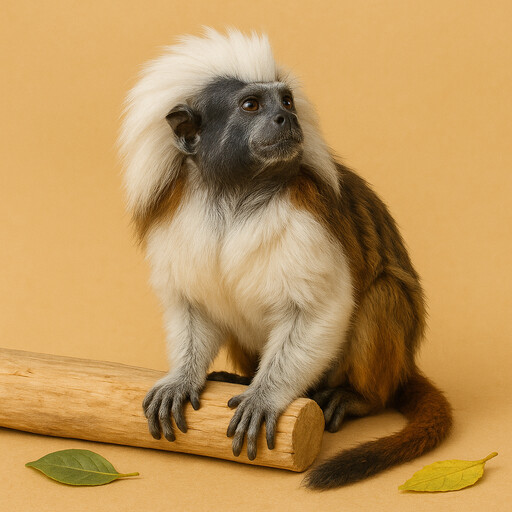
Tamarin
Tiny monkeys with bold mustaches
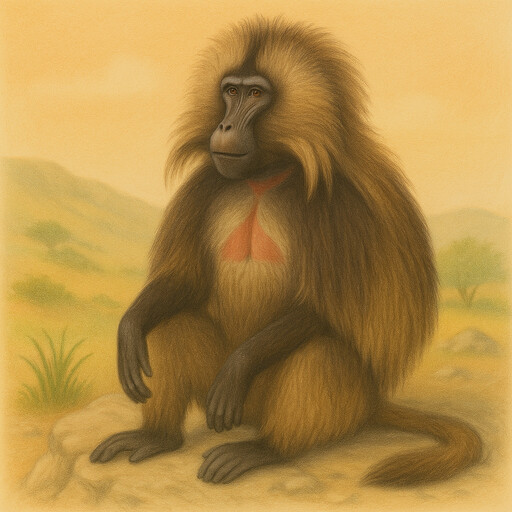
Gelada
Grass-eating monkeys of the highlands
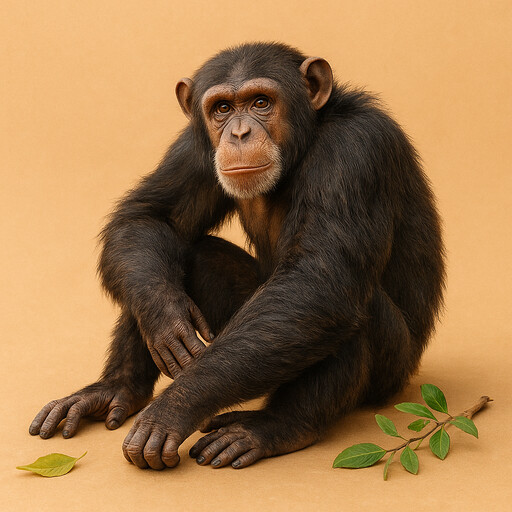
Ape
Tailless primates with flexible minds
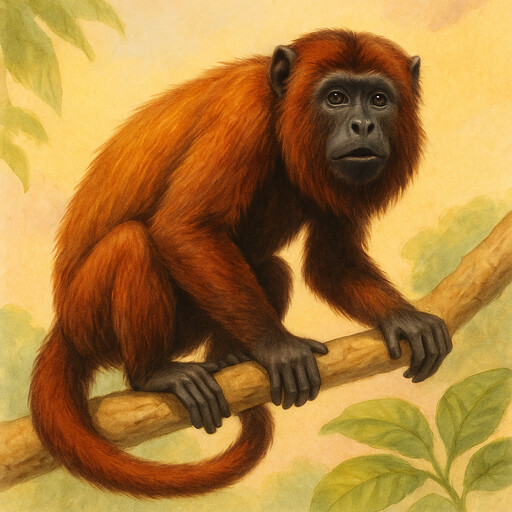
Howler monkey
Rainforest alarm bells
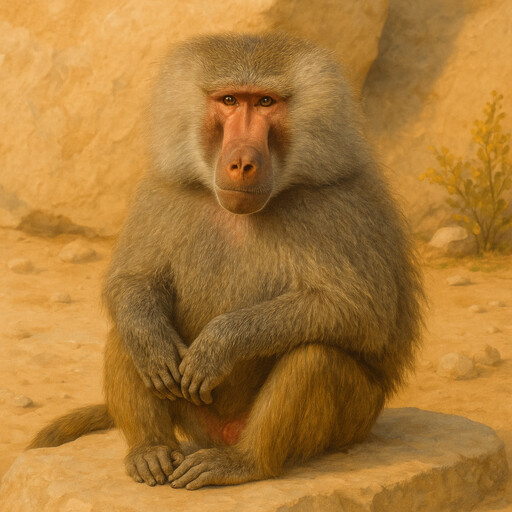
Baboon
Savanna troubleshooters