Geology is the scientific study of the earth — its rocks, layers, and the processes that have shaped it over time. People who study geology are called geologists. They try to understand how the Earth was formed, how it has changed, and what it is made of. Geology helps us learn about volcanoes, mountains, earthquakes, and even the fossils that tell the story of life on Earth.
The Earth’s outer layer, called the crust, is made of solid rock. Beneath it are deeper layers made of hot rock and metal. Geologists study these layers to understand how the planet’s surface has moved and changed over millions of years. The movement of large sections of the crust, called tectonic plates, can cause earthquakes and form mountain ranges. For example, the Himalayas were formed when two plates pushed against each other.
Rocks are a main focus in geology. They are grouped into three main types: igneous, sedimentary, and metamorphic. Igneous rocks form from cooled lava or magma, sedimentary rocks form when layers of sand or mud are pressed together, and metamorphic rocks form when other rocks change due to heat or pressure. Each type tells part of Earth’s story — like how volcanoes erupted, how rivers flowed, or how deep heat reshaped stone underground.
Geologists also study fossils, which are the remains or traces of plants and animals preserved in rock. Fossils help scientists learn about how life has evolved and how Earth’s climate and environment have changed. For example, finding seashell fossils on mountaintops shows that those areas were once under the ocean long ago.
Geology is not only about the past. It helps people today find important materials like oil, coal, and metals that we use for energy and products. It also helps predict and protect people from natural hazards such as earthquakes, landslides, and volcanic eruptions. By studying rocks and soil, geologists can also learn where to find clean water or where land is safe to build on.
In simple words, geology is like reading the Earth’s diary. Every rock, layer, and fossil tells a part of the story — from fiery volcanoes to quiet ocean floors, from ancient mountains to the very ground we walk on.
Geology
Level
readlittle.com
The study of Earth's rocks and history
What We Can Learn
- Geology is the science of studying Earth's structure and history.
- Rocks are divided into three main types: igneous, sedimentary, and metamorphic.
- Fossils and layers of rock help tell the story of life and change on Earth.
- Geology helps us find natural resources and understand natural hazards.
Related Reads

Dutch Golden Age
Period of Dutch global growth
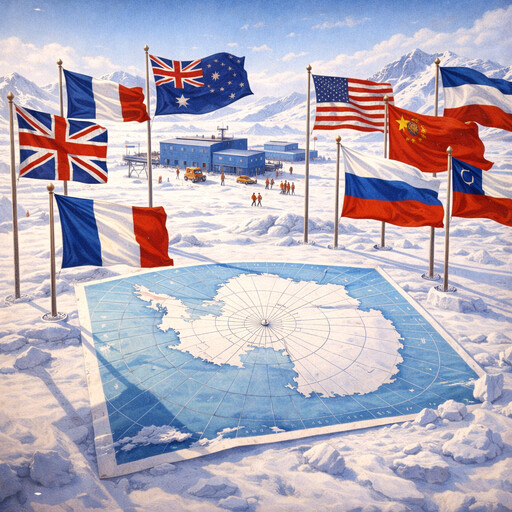
Antarctic Treaty System
Agreements governing Antarctica
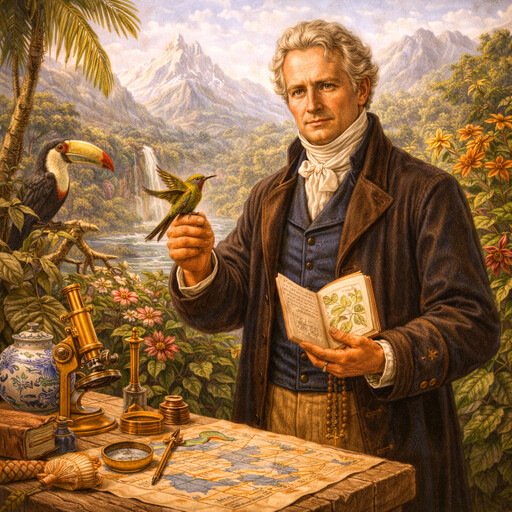
Alexander von Humboldt
Explorer of nature and the natural world
Botany
The study of plants and plant life
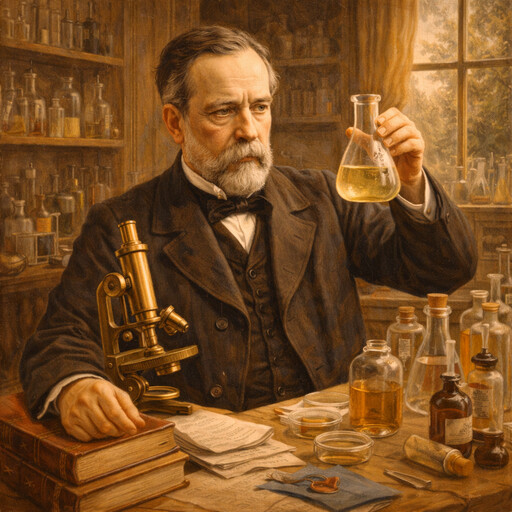
Louis Pasteur
French scientist who studied germs
Robert Koch
German doctor who studied disease-causing bacteria
Francis Bacon
Thinker who shaped modern scientific method

Blaise Pascal
Mathematician and thinker of early science

René Descartes
Philosopher and mathematician of early science
Continent
Large land areas of the Earth
Mount Kilimanjaro
Highest mountain in Africa
Leonardo da Vinci
Italian artist and thinker of the Renaissance