The Antarctic Treaty System is a set of international agreements that control how people and countries act in Antarctica. Antarctica is the southernmost continent on Earth. It is covered by ice and has no permanent residents. Many countries became interested in Antarctica during the early 1900s. They sent explorers and scientists, and some countries made territorial claims. A territorial claim is when a country says an area belongs to it. These claims created tension. To prevent conflict, countries met to agree on shared rules. The result was the Antarctic Treaty, signed in 1959 and active from 1961. Over time, more agreements were added, forming the Antarctic Treaty System.
The Antarctic Treaty itself is the main part of the system. It was first signed by twelve countries, including the United States, the Soviet Union, the United Kingdom, Argentina, and Australia. These countries had been active in Antarctica during a scientific program called the International Geophysical Year from 1957 to 1958. The treaty states that Antarctica must be used only for peaceful purposes. Military activity, such as building weapons or testing them, is not allowed. The treaty also supports freedom of scientific research. Scientists from different countries may work together and share results. Territorial claims are neither accepted nor rejected, but they are put aside while the treaty is in force.
As time passed, more rules were added to deal with new issues. These additional agreements are part of the Antarctic Treaty System. One of the earliest additions was the Convention for the Conservation of Antarctic Seals, signed in 1972. It set limits on seal hunting to protect seal populations. Another agreement was the Convention on the Conservation of Antarctic Marine Living Resources, signed in 1980. This agreement manages fishing and protects ocean life near Antarctica. Marine living resources means plants and animals that live in the sea. These agreements expanded the system beyond land to include surrounding oceans and wildlife.
Environmental protection became a major focus of the system. In 1991, countries signed the Protocol on Environmental Protection to the Antarctic Treaty. This protocol is often called the Environmental Protocol. It declares Antarctica a natural reserve. A natural reserve is an area kept free from major human damage. The protocol bans mining, which is the removal of minerals from the ground. It also sets rules for waste disposal, pollution control, and protection of plants and animals. Before any activity begins, countries must study its possible effects on the environment. These studies help reduce harm to the fragile Antarctic ecosystem.
The Antarctic Treaty System is managed through regular meetings. Countries that follow the treaty and carry out scientific research in Antarctica may become Consultative Parties. These parties have the right to take part in decision-making meetings. Other countries may join the treaty as non-consultative members. Decisions are made by agreement, not by voting. This means all consultative parties must accept a decision before it is adopted. Inspectors from member countries may visit stations and ships to check that rules are being followed. This system of inspection supports openness and trust.
Today, more than fifty countries are part of the Antarctic Treaty System. Together, they manage a continent larger than Europe without a central government. The system does not belong to one country or organization. It continues to guide research, travel, and environmental care in Antarctica. The rules apply to scientists, support workers, and tourists. Although challenges remain, the Antarctic Treaty System remains the main framework for cooperation and order in the southern polar region.
Antarctic Treaty System
Level
readlittle.com
Agreements governing Antarctica
What We Can Learn
- The system is based on the Antarctic Treaty signed in 1959
- Antarctica is reserved for peaceful activity and science
- Mining and military activity are not allowed
- Environmental protection is a central rule
Related Reads
Dutch Golden Age
Period of Dutch global growth
Roald Amundsen
Norwegian polar explorer
Alexander von Humboldt
Explorer of nature and the natural world
Botany
The study of plants and plant life
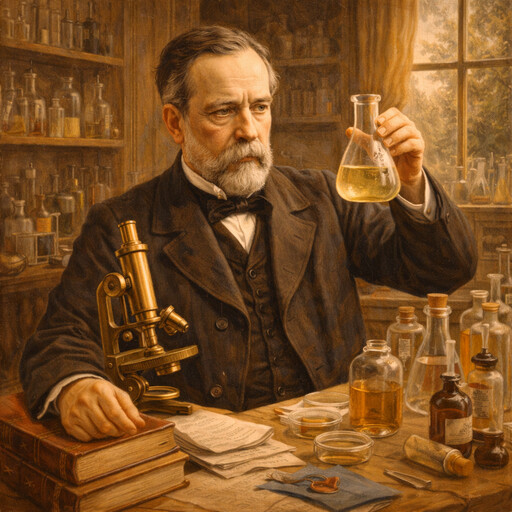
Louis Pasteur
French scientist who studied germs
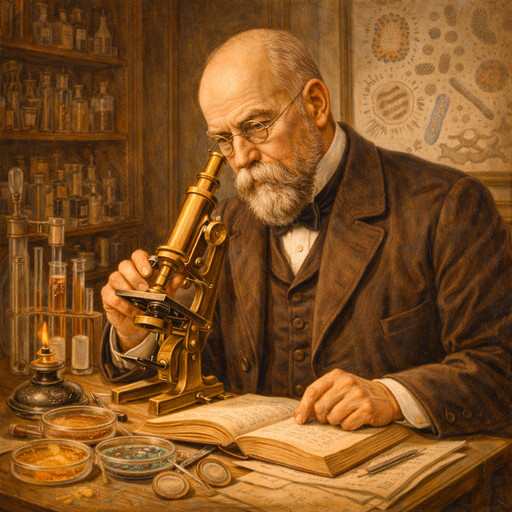
Robert Koch
German doctor who studied disease-causing bacteria
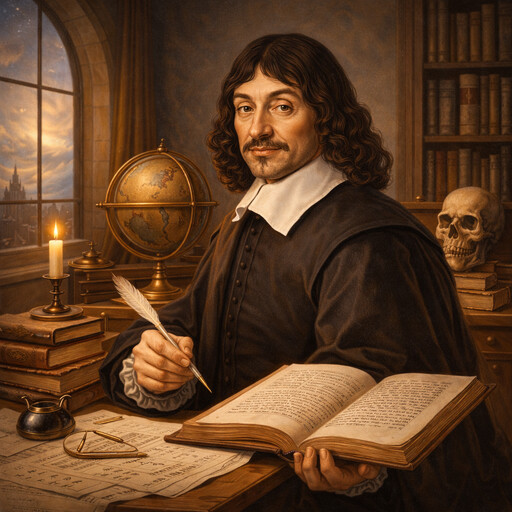
René Descartes
Philosopher and mathematician of early science
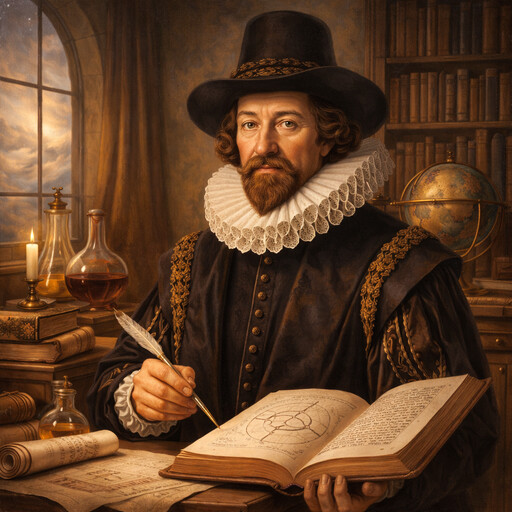
Francis Bacon
Thinker who shaped modern scientific method
Blaise Pascal
Mathematician and thinker of early science
Leonardo da Vinci
Italian artist and thinker of the Renaissance
Aristotle
A thinker of ancient Greece
Museum
Places that collect and display objects