Isaac Newton (1643–1727) was an English scientist, mathematician, and inventor. He is most famous for discovering the laws of motion and gravity, which explain how objects move in the universe. Newton’s ideas changed the way people understood nature and became the foundation of modern physics.
Newton was born in Woolsthorpe, England. As a child, he was curious about how things worked and often built small machines, such as windmills and clocks. He studied at the University of Cambridge, where he learned about mathematics and astronomy. During a time when the university was closed because of the plague, Newton returned home and made some of his greatest discoveries.
One famous story says that Newton began thinking about gravity when he saw an apple fall from a tree. He wondered why the apple fell straight down instead of sideways or upward. This led him to realize that the same force pulling the apple to the ground also keeps the Moon in orbit around earth. He called this force gravity. gravity, he said, works everywhere in the universe, attracting all objects toward one another.
Newton also studied motion and described it in his Three Laws of motion. The first law says that an object stays still or keeps moving unless something pushes or pulls it. The second law explains how force changes the motion of an object — for example, pushing harder makes something move faster. The third law says that for every action, there is an equal and opposite reaction. These simple ideas help explain almost all movement, from rolling a ball to launching a rocket.
Besides studying motion and gravity, Newton made great progress in mathematics. He helped create a new kind of math called calculus, which scientists use to study change. He also studied light and color, showing that white light is made of all the colors of the rainbow. Newton built the first reflecting telescope, which used mirrors instead of lenses to make clearer images of stars and planets.
Newton’s most famous book, Mathematical Principles of Natural Philosophy (often called the Principia), was published in 1687. In it, he explained his laws of motion and gravity. His work guided scientists for more than 200 years, until new discoveries like Einstein’s theory of relativity expanded our understanding of space and time.
Isaac Newton’s curiosity and careful experiments helped shape modern science. He showed that nature follows simple and discoverable laws. Even today, his ideas are used in engineering, space travel, and everyday technology.
Isaac Newton
Level
readlittle.com
Scientist who explained motion and gravity
What We Can Learn
- Isaac Newton discovered the laws of motion and gravity.
- He showed that gravity works everywhere in the universe.
- Newton also created calculus and studied light and color.
- His work built the foundation for modern physics and science.
Related Reads
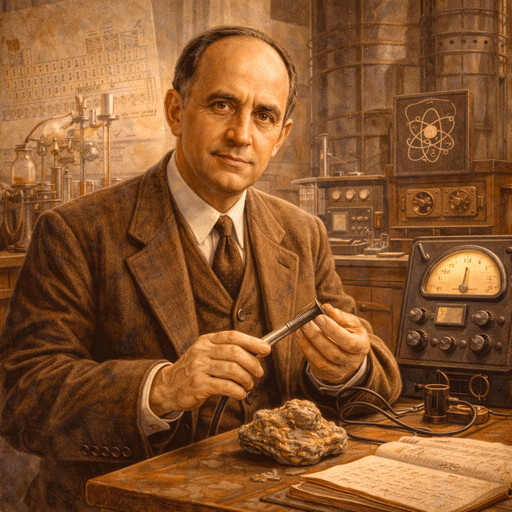
Enrico Fermi
Scientist of nuclear physics
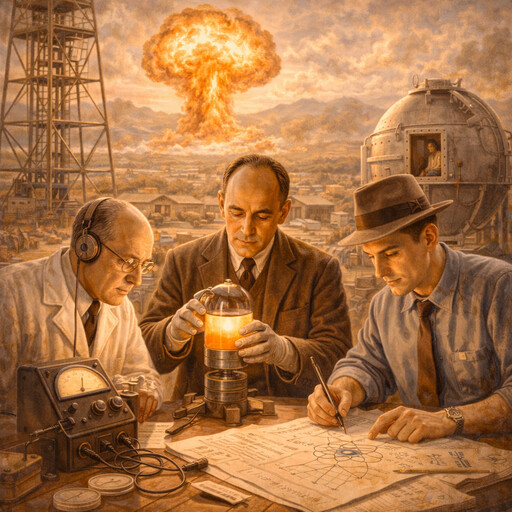
Manhattan Project
World War II atomic research program
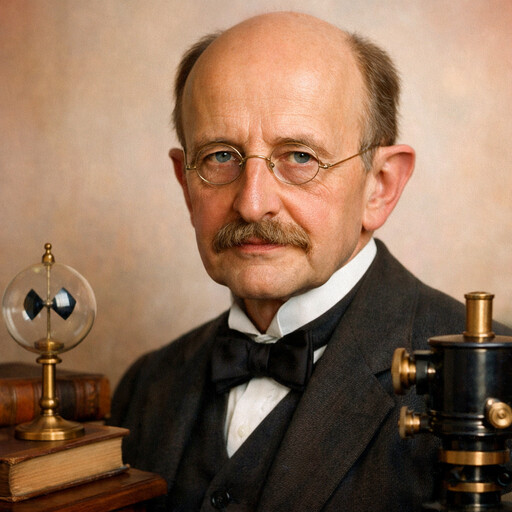
Max Planck
Founder of quantum theory

George Washington Carver
American scientist and agricultural researcher
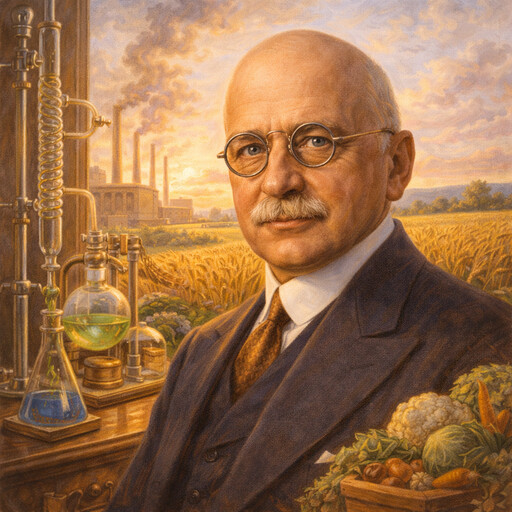
Fritz Haber
German chemist of the early 1900s

Magnet
Object that creates magnetic force

Rachel Carson
Scientist and writer on nature

Gravity
Force that pulls objects together
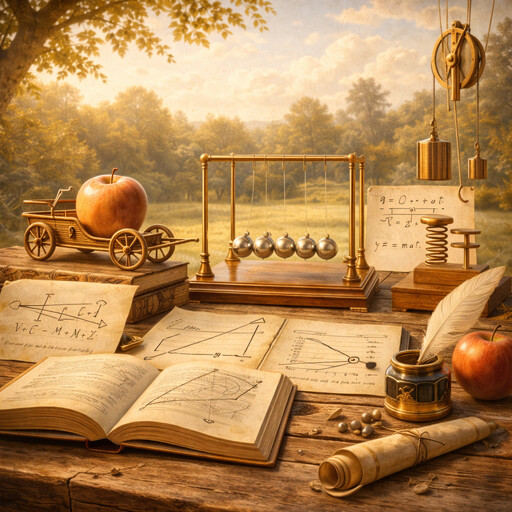
Newton's laws of motion
Three rules describing how objects move
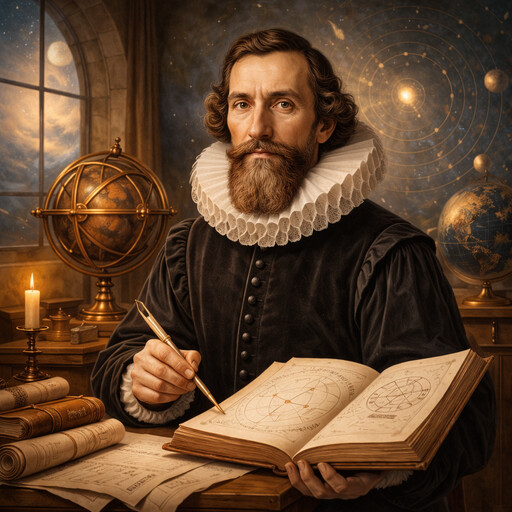
Johannes Kepler
Astronomer who described planet motion
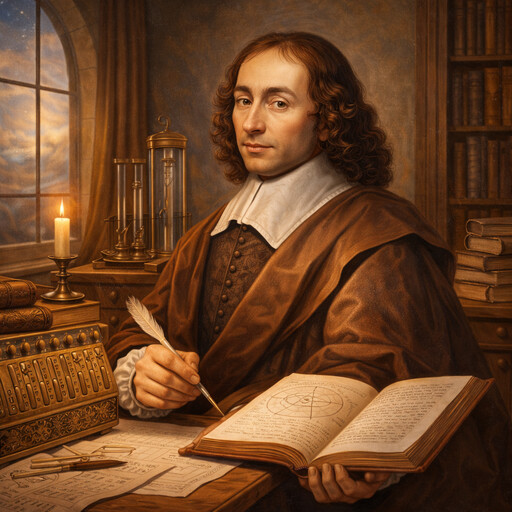
Blaise Pascal
Mathematician and thinker of early science
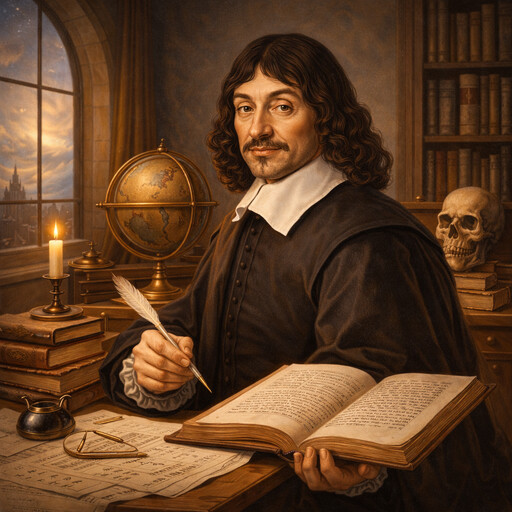
René Descartes
Philosopher and mathematician of early science