Newton's laws of motion are three simple rules that describe how objects move. They were written by the English scientist Isaac Newton in 1687. These laws explain why objects stay still, start moving, change speed, or change direction. They apply to everyday objects, such as balls and carts, and also to large objects, such as planets and moons.
The first law of motion is often called the law of inertia. Inertia means that an object resists changes to its motion. This law says that an object at rest stays at rest, and an object in motion stays in motion, unless a force acts on it. A force is a push or a pull. For example, a book on a table stays still until someone pushes it. A rolling ball slows down because forces like friction and air resistance act on it.
The second law of motion explains how force affects motion. It says that the motion of an object depends on its mass and the force applied to it. Mass is the amount of matter in an object. A stronger force causes a bigger change in motion. A heavier object needs more force to move than a lighter one. For example, it is easier to push an empty cart than a full cart.
The third law of motion says that forces come in pairs. When one object pushes on another object, the second object pushes back with an equal force in the opposite direction. This is often stated as "for every action, there is an equal and opposite reaction." When a person jumps, their feet push down on the ground, and the ground pushes up on the person. This allows the person to rise into the air.
Newton's laws help explain motion on Earth and in space. They describe how cars move, how balls bounce, and how rockets travel. Rockets move forward because gases push backward. The backward push creates a forward reaction. Newton used these laws together with his ideas about gravity to explain the motion of planets around the Sun.
These laws describe motion when objects move at ordinary speeds and sizes. They work well for most daily situations. Later scientists developed other theories to describe motion at very high speeds or very small scales. Even so, Newton's laws remain a clear way to describe how motion works in many parts of the world.
Newton's laws of motion
Level
readlittle.com
Three rules describing how objects move
What We Can Learn
- Newton wrote three laws that describe motion.
- The first law explains rest and inertia.
- The second law links force, mass, and motion.
- The third law describes action and reaction forces.
Related Reads
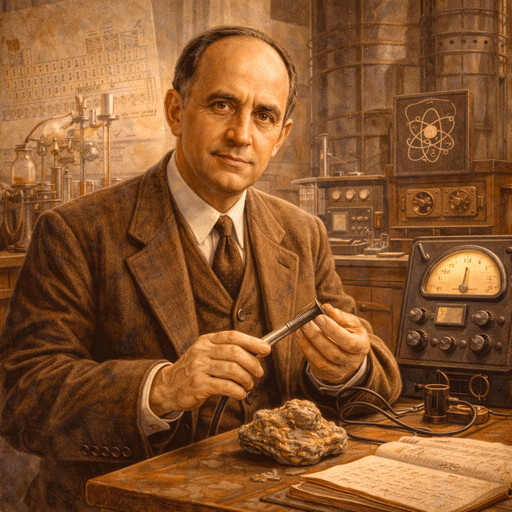
Enrico Fermi
Scientist of nuclear physics
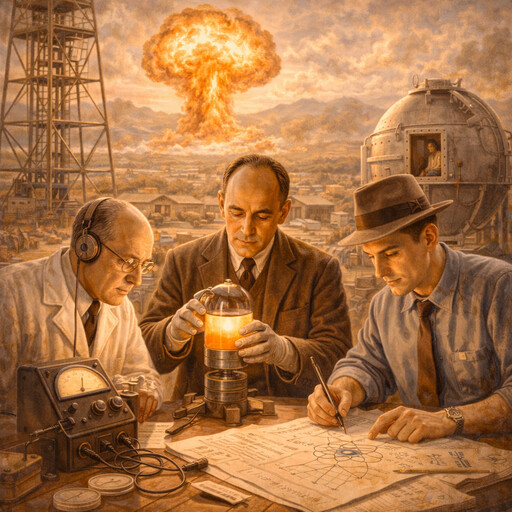
Manhattan Project
World War II atomic research program
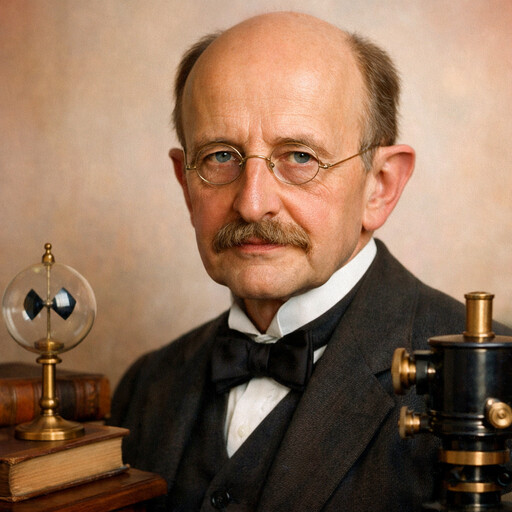
Max Planck
Founder of quantum theory

Magnet
Object that creates magnetic force

Gravity
Force that pulls objects together
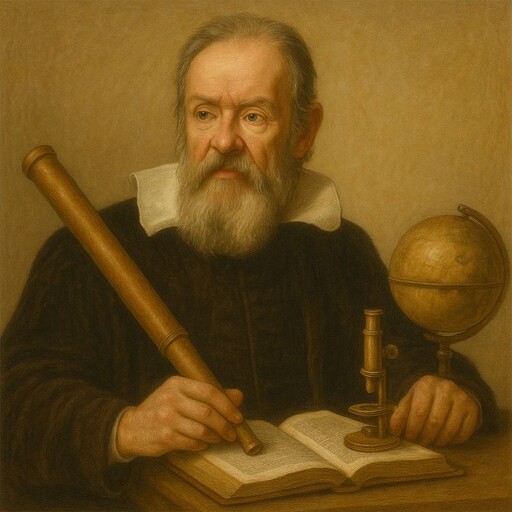
Galileo Galilei
Early observer of the skies
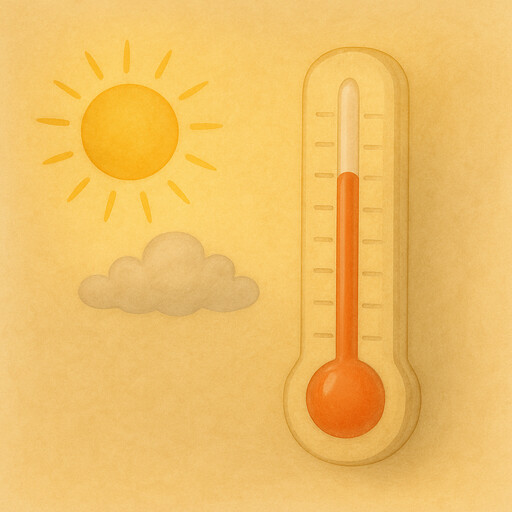
Temperature
A measure of how hot or cold something is
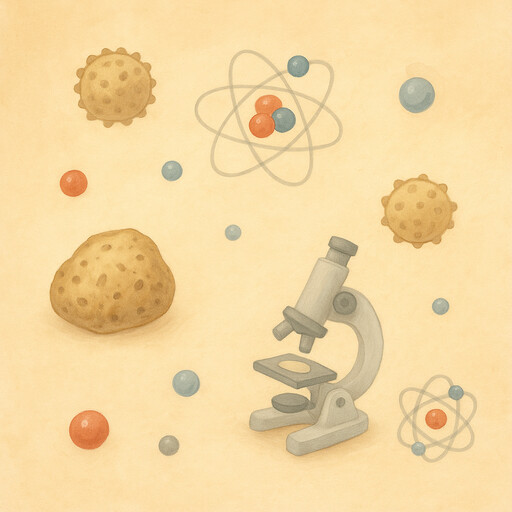
Particle
A tiny piece of matter or energy
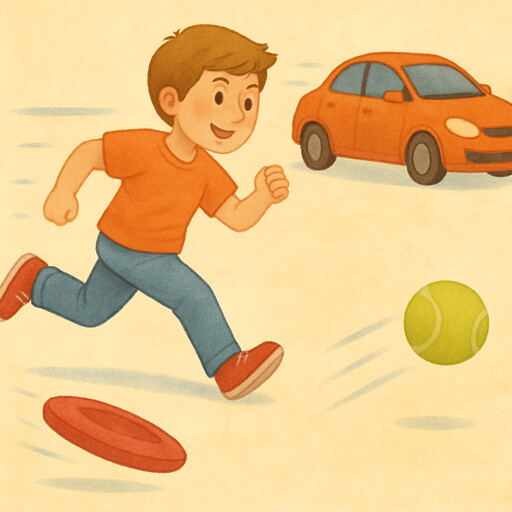
Motion
The movement of objects from one place to another
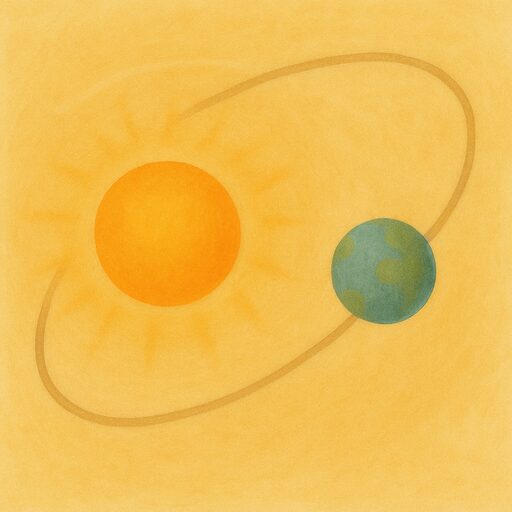
Orbit
The path of one object around another in space

Friction
The force that resists motion between surfaces
Measurement
How we compare and find quantities