Indian ocean stretches from the east coast of africa to the shores of Australia and from the Asian monsoon belt to the icy southern-ocean. It is the warmest basin on earth because it lacks a cold northern arm, and it funnels water through chokepoints such as the Strait of Malacca, Bab el-Mandeb, and the Mozambique Channel. More than two billion people live in countries that touch its shores.
Monsoon winds reverse direction with the seasons: southwest winds blow from June to September, while northeast winds dominate December through February. These shifts steer currents like the Somali Current and drive the Indian Ocean Dipole, a natural see-saw of sea-surface temperatures that influences rainfall from East Africa to Australia. The Agulhas Current sweeps warm water down south-africa before looping it into the Atlantic.
coral reefs, mangroves, and seagrass beds thrive in the warm shallows of the Indian Ocean. Upwelling along Arabia and Somalia feeds sardines and tuna, while deep channels near Sri Lanka host blue whales. The Mid-Indian Ridge rises along the seafloor, dotted with seamounts and hydrothermal vents that shelter unique snails and crabs.
Human history is tightly linked to these waters. Traders once rode predictable monsoon winds to exchange spices, textiles, and ideas among Kilwa, Muscat, Kochi, and Jakarta. Modern container ships, oil tankers, and fiber-optic cables still thread through the same straits, linking the Suez Canal and Strait of Hormuz with Pacific ports.
Challenges include tropical cyclones in the bay of Bengal and Arabian sea, coral bleaching from marine heat waves, and piracy or illegal fishing near busy lanes. Regional groups such as the Indian Ocean Rim Association encourage nations to share weather data, coordinate disaster responses, and manage resources sustainably.
Indian Ocean
Level
readlittle.com
Monsoon-shaped sea between Africa and Australia
What We Can Learn
- The Indian Ocean spans Africa to Australia and stays warm because it lacks a cold northern branch
- Seasonal monsoon winds reverse currents and influence rainfall across multiple continents
- Rich reefs, mangroves, and fisheries support more than two billion coastal residents
- Historic spice routes evolved into modern shipping lanes that still require cooperation and protection
Related Reads
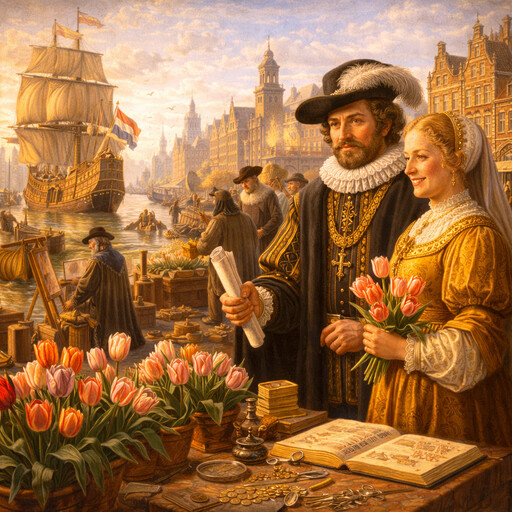
Dutch Golden Age
Period of Dutch global growth
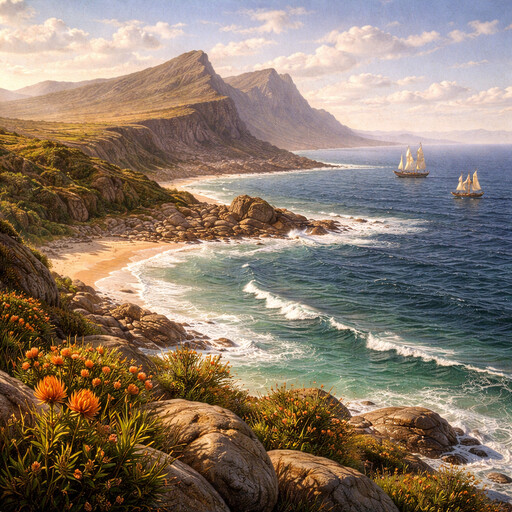
Cape of Good Hope
Southern headland of Africa
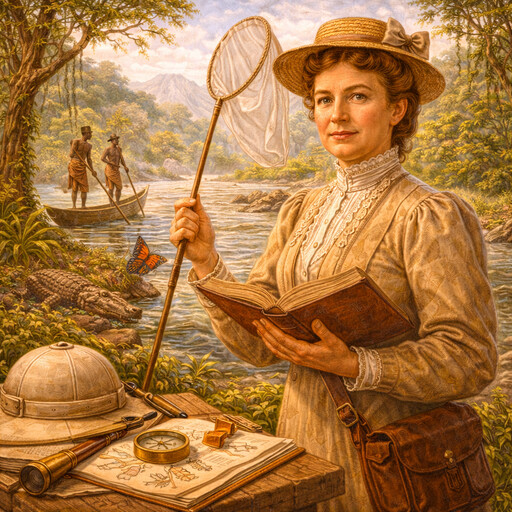
Mary Kingsley
British traveler and writer in West Africa
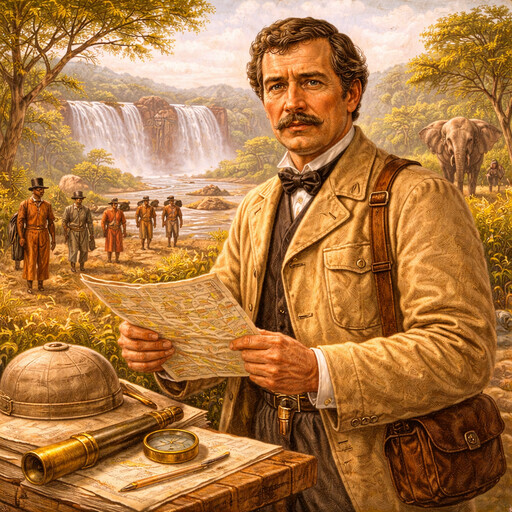
David Livingstone
Scottish explorer of Africa
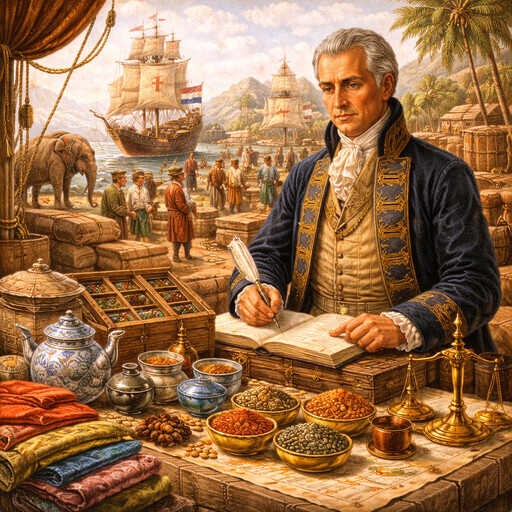
East India Company
British trading company that ruled India
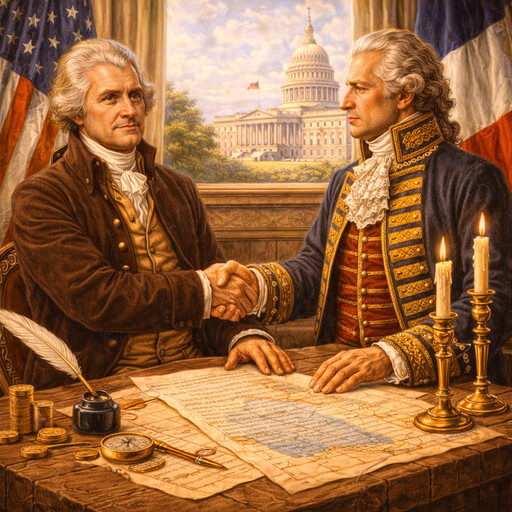
Louisiana Purchase
A land deal that doubled the United States
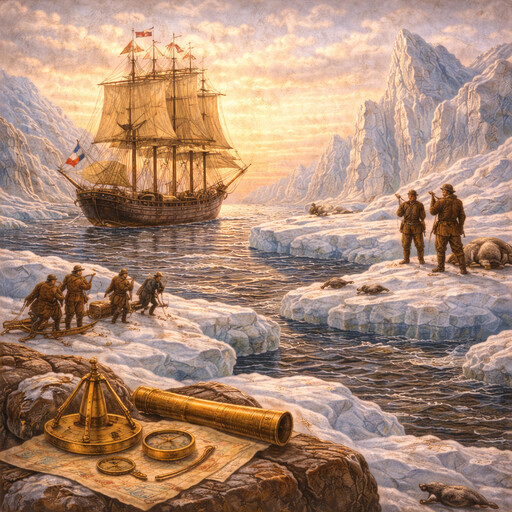
Northwest Passage
A sea route through Arctic waters

Lewis and Clark Expedition
Exploring the land west of the Mississippi
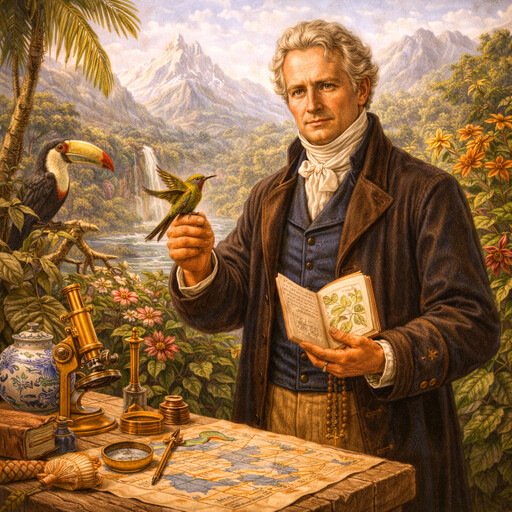
Alexander von Humboldt
Explorer of nature and the natural world
Dutch East India Company
Powerful trading company of the Netherlands
Ptolemy
Ancient scholar of astronomy and geography
Pytheas
Greek explorer of the far north