The Peace of Utrecht was a series of treaties signed in the Dutch city of Utrecht between 1713 and 1715. These treaties ended a long conflict called the War of the Spanish Succession. The war involved many European powers and lasted from 1701 to 1714. The main issue was who would become king of Spain after the previous king died without an heir. The Peace of Utrecht set rules to prevent one family from ruling too many countries at the same time.
The War of the Spanish Succession began after King Charles II of Spain died in 1700. He had no children. In his will, he named Philip of Anjou as his successor. Philip was the grandson of King Louis XIV of France. Many countries feared that France and Spain would be united under one ruling family. This could change the balance of power, which means how strength and influence are shared among countries. Because of this concern, several nations went to war.
The main countries involved in the fighting were France and Spain on one side, and Great Britain, the Dutch Republic, Austria, and several German states on the other. Battles were fought in Europe and in overseas colonies. The war caused heavy costs and loss of life. As the fighting continued, many leaders began to look for a way to end the conflict through negotiation, which means peaceful discussion to reach an agreement.
Talks were held in Utrecht, a city in the Netherlands. The treaties were signed separately between different countries, rather than as one single document. One key agreement stated that Philip V could remain king of Spain, but he and his descendants could never inherit the French throne. This rule was meant to prevent France and Spain from becoming one united kingdom. Other agreements changed control of land in Europe and overseas.
As part of the Peace of Utrecht, Spain lost several territories. Austria received lands in Italy and the Spanish Netherlands, which is roughly modern-day Belgium. Great Britain gained important territories, including Gibraltar and Minorca. Britain also received trading rights in Spanish America, including the asiento, a contract that allowed British merchants to supply enslaved people to Spanish colonies. These changes affected trade and power across the Atlantic world.
The Peace of Utrecht marked an important moment in European diplomacy. Diplomacy means the management of relations between countries through discussion and agreements. The treaties did not create lasting peace everywhere, but they ended one major war and reshaped borders. The idea of maintaining a balance of power became a common goal in European politics after the treaties were signed.
Peace of Utrecht
Level
readlittle.com
European treaties ending a major war
What We Can Learn
- The Peace of Utrecht ended the War of the Spanish Succession.
- It was signed through several treaties between 1713 and 1715.
- Philip V remained king of Spain but could not rule France.
- The treaties changed control of land and trade rights in Europe and overseas.
Related Reads
No image
Vienna
Capital city on the Danube River

Vilnius
Historic capital city of Lithuania
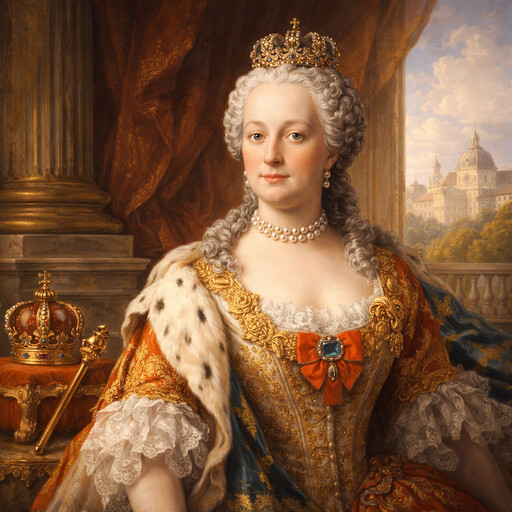
Maria Theresa
Powerful ruler of the Habsburg lands

Munich Agreement
1938 agreement over Czechoslovak territory

Molotov–Ribbentrop Pact
Non-aggression agreement before World War II

Polish–Soviet War
War over borders after World War I

Revolutions of 1848
Uprisings across Europe in 1848
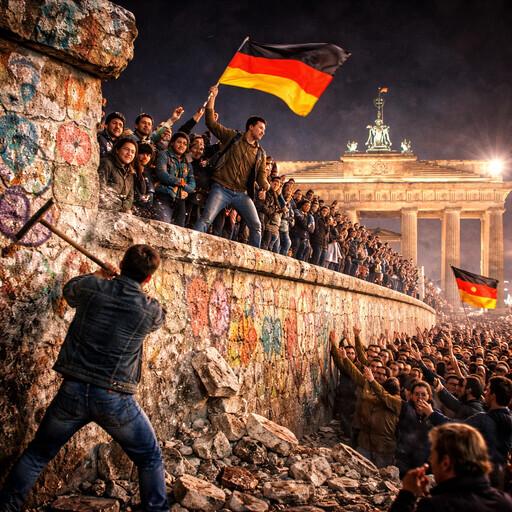
Fall of the Berlin Wall
End of Germany’s divided barrier
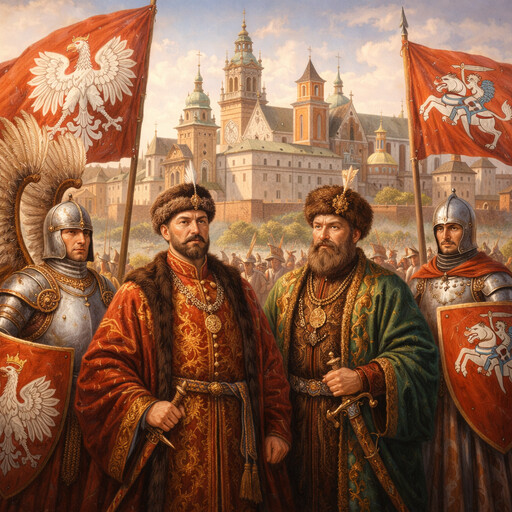
Polish–Lithuanian Commonwealth
A large early modern European state
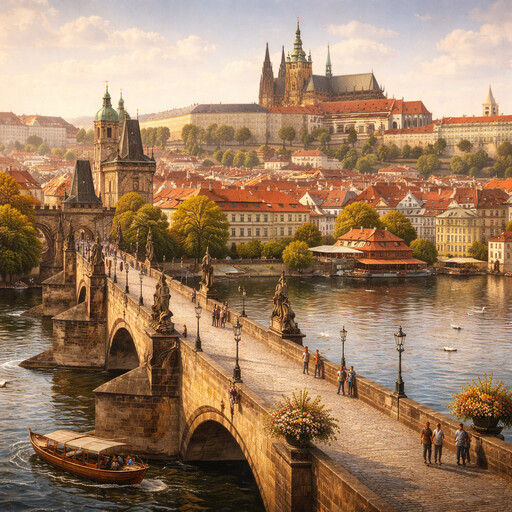
Prague
Historic capital city of the Czech Republic
Treaty of Portsmouth
Peace agreement ending Russo-Japanese War
Henry Kissinger
American diplomat and foreign policy leader