The Peace of Westphalia was a set of treaties signed in 1648 in the cities of Münster and Osnabrück, in a region called Westphalia. The agreements ended two major conflicts in Europe: the Thirty Years’ War in central Europe and the Eighty Years’ War between Spain and the Dutch Republic. These wars involved many countries and caused widespread damage. The Peace of Westphalia brought fighting to an end by setting clear terms that all sides accepted. It is remembered as a turning point in European political history because it clarified how states dealt with each other.
The background to the Peace of Westphalia lies in long religious and political conflicts. The Thirty Years’ War began in 1618 within the Holy Roman Empire. It involved Catholic and Protestant rulers, as well as foreign powers such as France, Spain, and Sweden. A conflict is a serious disagreement that can lead to fighting. Over time, the war spread across many regions. Armies moved through towns and countryside, causing destruction and loss of life. By the 1640s, most sides were exhausted and open to negotiation.
Negotiations for peace took place over several years. Representatives from many states met in Münster and Osnabrück. These cities were chosen so Catholic and Protestant diplomats could meet separately but work toward the same goal. A diplomat is a person who represents a government in talks with other governments. The talks were complex because each state had its own demands. Agreements were written as formal treaties. Together, these treaties are known as the Peace of Westphalia.
One key result of the Peace of Westphalia was the confirmation of religious arrangements within the Holy Roman Empire. The treaties recognized Catholicism, Lutheranism, and Calvinism as accepted Christian faiths. Calvinism had not been included in earlier agreements. Each ruler could choose the official religion of his territory. This rule followed earlier practices but expanded them. Religious minorities were given certain protections, such as the right to practice privately. These rules aimed to reduce religious fighting inside states.
The Peace of Westphalia also changed political relationships in Europe. The treaties recognized the independence of the Dutch Republic and Switzerland. Independence means the right to govern oneself without control from another power. The authority of the Holy Roman Emperor was reduced, while individual states gained more control over their own affairs. This meant rulers could make decisions about war, peace, and alliances within their territories. States began to be treated as equal actors in diplomacy.
After 1648, Europe entered a period with clearer borders and rules between states. Wars did not stop, but they followed more formal patterns. The Peace of Westphalia is often linked to the idea of state sovereignty. Sovereignty is the authority of a state to rule itself. While the treaties were written for specific conflicts, their influence lasted much longer. They marked a shift toward a Europe made up of independent states that negotiated through treaties rather than constant religious war.
Peace of Westphalia
Level
readlittle.com
Treaties ending major European wars
What We Can Learn
- Signed in 1648 to end major European wars
- Ended the Thirty Years’ War and Eighty Years’ War
- Recognized multiple Christian religions
- Strengthened the independence of European states
Related Reads
No image
Vienna
Capital city on the Danube River

Polish–Soviet War
War over borders after World War I

Vilnius
Historic capital city of Lithuania

Revolutions of 1848
Uprisings across Europe in 1848
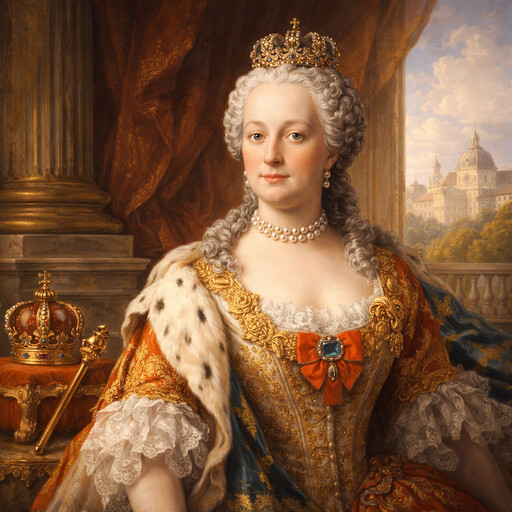
Maria Theresa
Powerful ruler of the Habsburg lands

Munich Agreement
1938 agreement over Czechoslovak territory

Molotov–Ribbentrop Pact
Non-aggression agreement before World War II
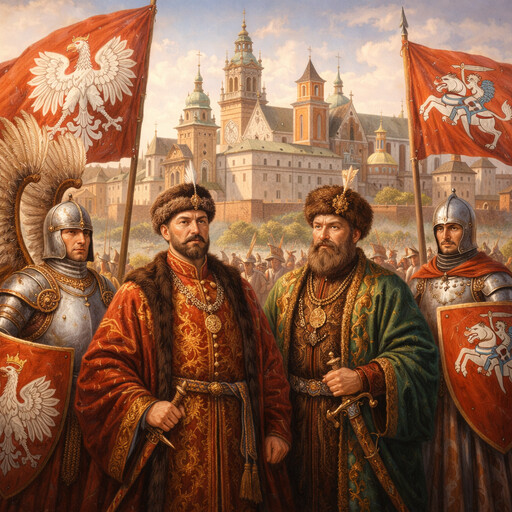
Polish–Lithuanian Commonwealth
A large early modern European state
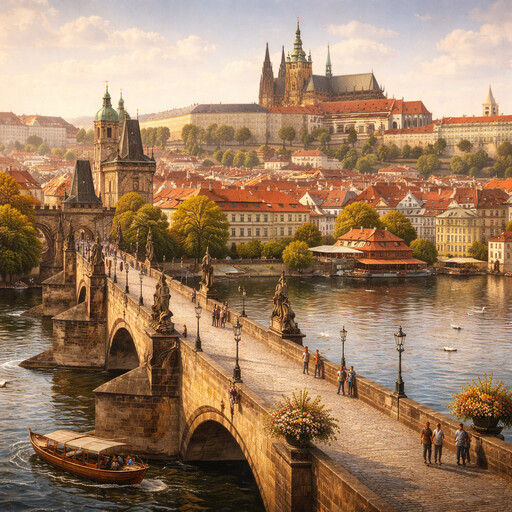
Prague
Historic capital city of the Czech Republic
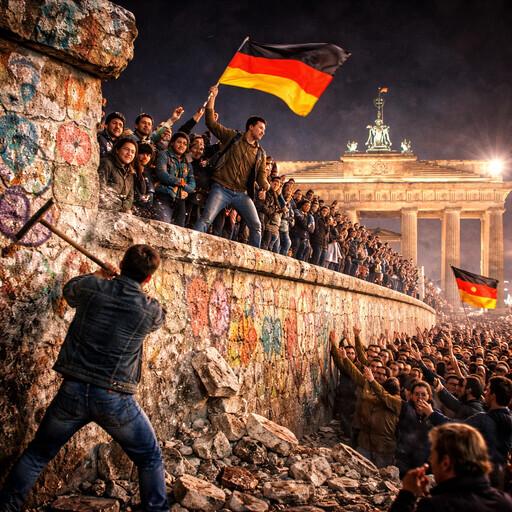
Fall of the Berlin Wall
End of Germany’s divided barrier
Treaty of Portsmouth
Peace agreement ending Russo-Japanese War
Treaty of Nanking
First unequal treaty between China and Britain