The Treaty of Nanking was a formal agreement signed in 1842 between the Qing dynasty of China and Great Britain. It ended the First Opium War, which lasted from 1839 to 1842. A treaty is a written agreement between governments. This treaty was signed after British forces defeated Qing armies in several battles. It was signed in the city of Nanking, also known as Nanjing, which gave the treaty its name.
Before the treaty, China tightly controlled trade with foreign countries. Foreign merchants were allowed to trade only in limited areas and under strict rules. Britain wanted easier trade, especially for goods such as tea and silk. The conflict over trade and laws led to the First Opium War. After China’s defeat, Qing officials agreed to negotiate peace. The result was the Treaty of Nanking, which set new rules for trade and relations.
One major part of the treaty was the opening of five ports to British trade. These ports were Guangzhou, Xiamen, Fuzhou, Ningbo, and Shanghai. At these ports, British merchants could live and trade freely. This was a major change from earlier policies. The treaty also required China to pay a large sum of money called an indemnity. An indemnity is money paid as compensation for losses in war.
Another important term of the treaty was the transfer of Hong Kong Island to Britain. Hong Kong became a British colony and remained under British control for many years. The treaty also ended the Canton System, which had limited foreign trade to one port and a small group of Chinese merchants. With the treaty, British citizens gained new legal protections while living in China.
The Treaty of Nanking did not mention opium directly, but it weakened China’s control over its own trade laws. Later agreements added more terms that favored foreign powers. Because of this, the Treaty of Nanking is often called an "unequal treaty." An unequal treaty is an agreement in which one side has much more power than the other. China signed the treaty under pressure after military defeat.
The Treaty of Nanking marked a turning point in Chinese history. It began a period in which foreign powers gained greater influence in China. Similar treaties were later signed with other countries. These agreements reduced the Qing government’s control over trade, territory, and law. The treaty remained an important example of how war and diplomacy reshaped China’s relations with the outside world in the nineteenth century.
Treaty of Nanking
Level
readlittle.com
First unequal treaty between China and Britain
What We Can Learn
- Signed in 1842 after the First Opium War
- Opened five Chinese ports to British trade
- Transferred Hong Kong Island to Britain
- Marked the start of unequal treaties
Related Reads

Molotov–Ribbentrop Pact
Non-aggression agreement before World War II

Munich Agreement
1938 agreement over Czechoslovak territory
Deng Xiaoping
Chinese leader of reform era
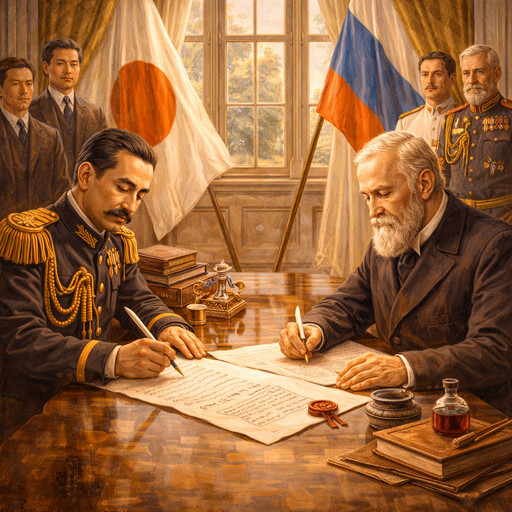
Treaty of Portsmouth
Peace agreement ending Russo-Japanese War
Mao Zedong
Leader of modern Communist China
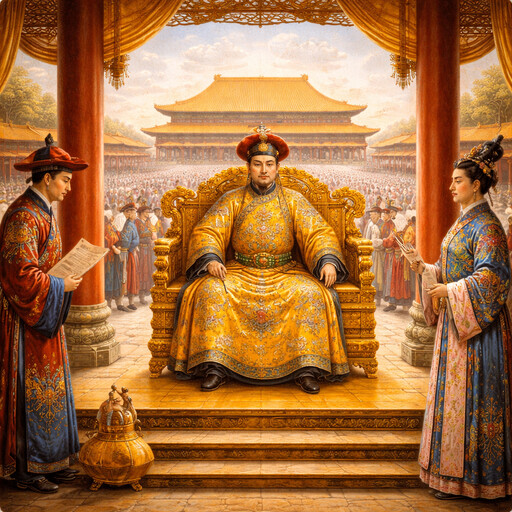
Qing dynasty
Last imperial dynasty of China
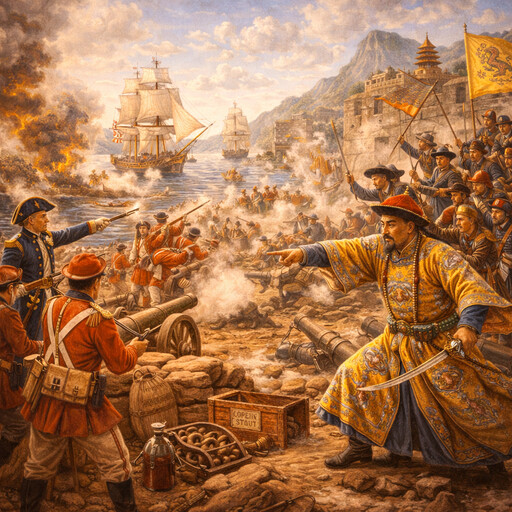
First Opium War
Conflict between Qing China and Britain
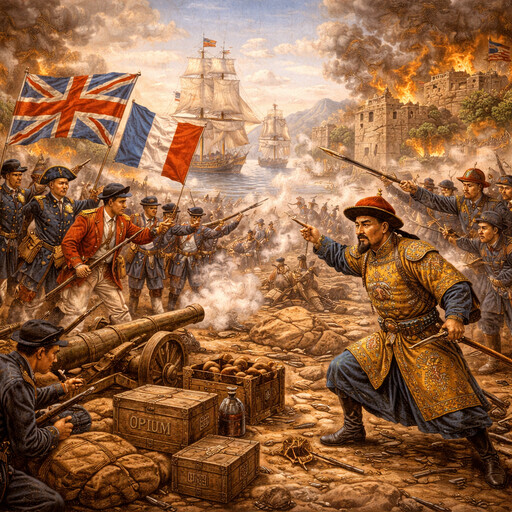
Second Opium War
Renewed conflict between China and Western powers
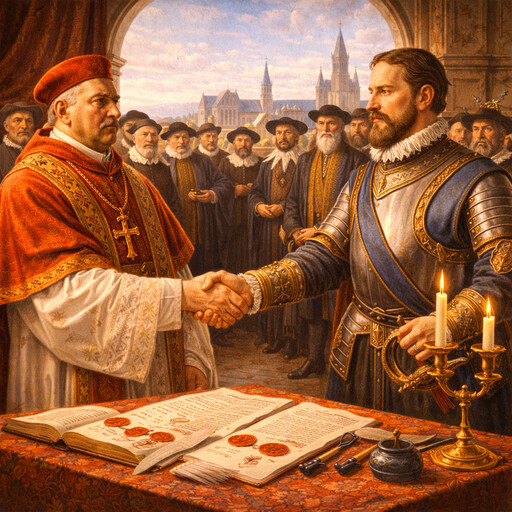
Peace of Westphalia
Treaties ending major European wars
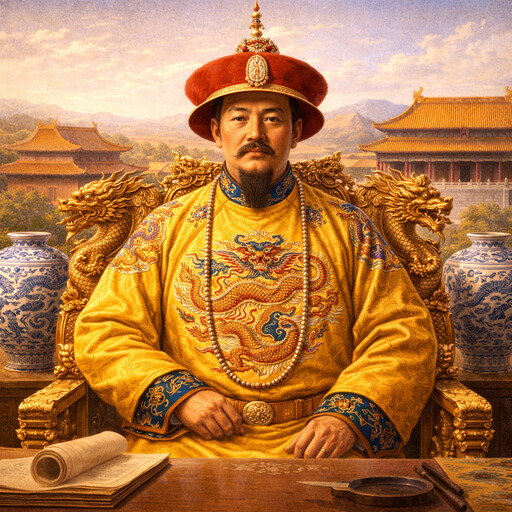
Ming dynasty
Chinese dynasty from 1368 to 1644
Peace of Augsburg
Religious settlement in the Holy Roman Empire
Matteo Ricci
European scholar in Ming China