Sweden spans thousands of islands and lakes, from the Baltic Sea archipelago near Stockholm to the mountains and tundra of Lapland bordering Norway and Finland. Vast boreal forests, winding rivers, and glacial valleys feed hydropower dams, while the coastline hosts fishing villages and ferry routes.
Sweden is a constitutional monarchy with a ceremonial king and a parliamentary democracy led by the Riksdag and a prime minister. Counties and municipalities oversee schools, healthcare, transit, and recycling programs, reflecting consensus-based politics that encourage coalition governments and citizen participation.
History includes Viking trade routes, medieval Christian kingdoms, a 17th-century power that stretched around the Baltic, and centuries of neutrality that kept Sweden out of major wars. Industrialization brought sawmills, steelworks, and telecommunications pioneers, and the 20th century built a welfare model focusing on education, housing, and social insurance.
Modern Sweden invests in innovation clusters for biotechnology, gaming, and clean technology, alongside forestry, mining, and advanced manufacturing. Hydropower, windpower, and bioenergy support climate goals, while research centers collaborate on autonomous vehicles and space observations in Kiruna. Cities emphasize cycling, public transit, and sustainable urban planning.
Culture highlights literature prizes, design traditions such as IKEA, Sami indigenous heritage, and festivals celebrating the midnight sun in the far north. Outdoor recreation includes skiing, kayaking, and hiking in national parks, and musicians export pop, jazz, and classical performances worldwide. Sweden works through the European Union, Nordic Council, and United Nations peacekeeping missions to promote human rights and environmental agreements.
Sweden
Level
readlittle.com
Nordic forests, innovation, and welfare
What We Can Learn
- Sweden's geography ranges from Baltic archipelagos to Arctic mountains and forests.
- A constitutional monarchy and parliamentary democracy rely on consensus politics.
- Neutrality, industrialization, and welfare development shape society.
- Innovation, renewable energy, and design industries power the modern economy.
Related Reads
No image
Monarchy
Government ruled by a royal family

Johann Gottfried Herder
German thinker of culture and language
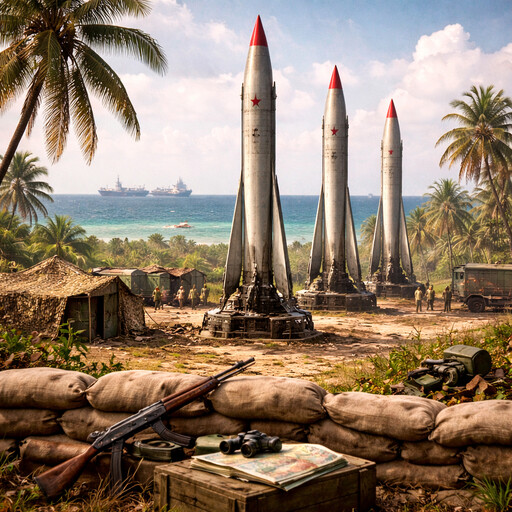
Cuban Missile Crisis
Cold War nuclear standoff in 1962
Henry Kissinger
American diplomat and foreign policy leader
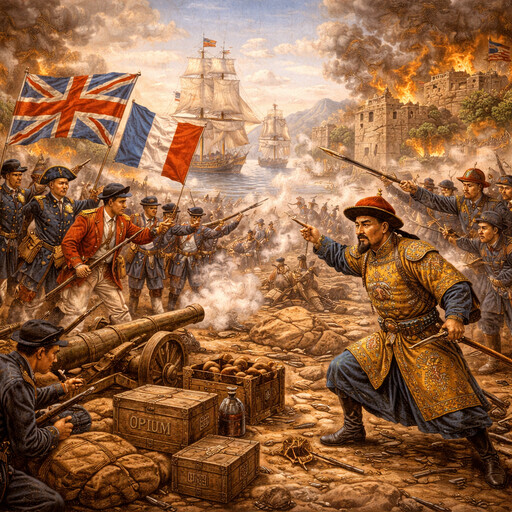
Second Opium War
Renewed conflict between China and Western powers
Ming dynasty
Chinese dynasty from 1368 to 1644
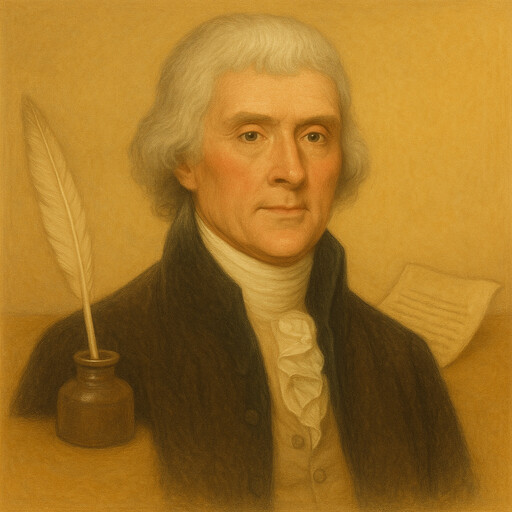
Thomas Jefferson
Author and third U.S. president
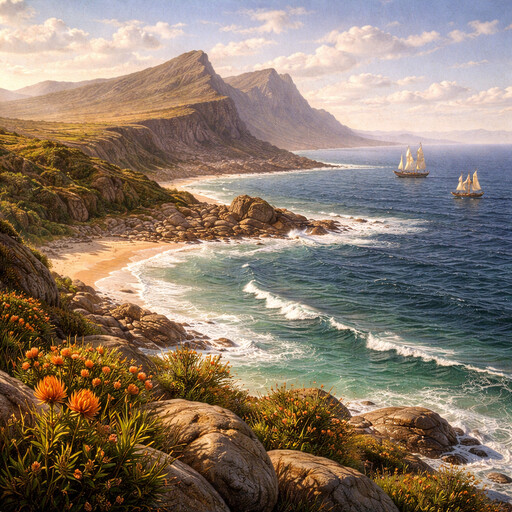
Cape of Good Hope
Southern headland of Africa
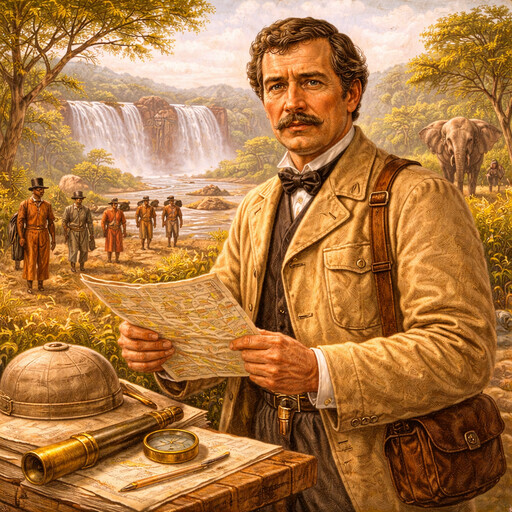
David Livingstone
Scottish explorer of Africa
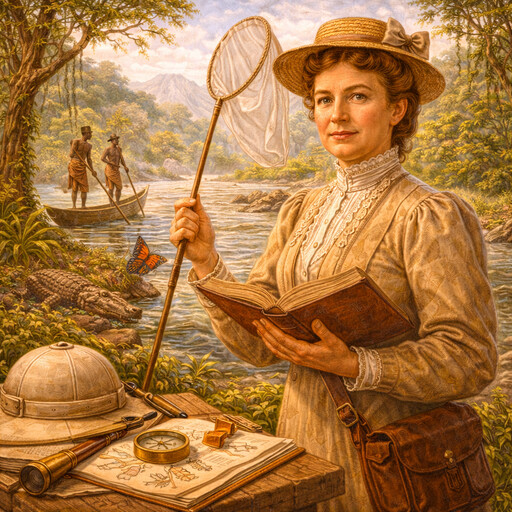
Mary Kingsley
British traveler and writer in West Africa
Louisiana Purchase
A land deal that doubled the United States

Lewis and Clark Expedition
Exploring the land west of the Mississippi