Mount St. Helens is a stratovolcano in Washington State, USA, standing within the Cascade Range. On May 18, 1980, a magnitude 5.1 earthquake triggered a massive landslide and lateral blast that removed the volcano’s northern flank. Ash clouds reached 24 kilometers high, forests toppled, and lahars flowed down valleys. The eruption became one of the most studied volcanic events in history, transforming a green summit into a horseshoe-shaped crater with a lava dome.
Scientists from the U.S. Geological Survey monitor the volcano with seismometers, GPS stations, gas sensors, and webcams. After the 1980 eruption, lava domes grew inside the crater from 1980 to 1986 and again from 2004 to 2008, building spines of solid rock. Today, steam vents, glacier growth, and small earthquakes signal that magma still moves beneath the volcano. Research on Mount St. Helens helps volcanologists understand debris avalanches, ash dispersal, and ecological recovery.
The blast zone became the Mount St. Helens National Volcanic Monument, preserving more than 110,000 hectares for research and education. Spirit Lake, the Toutle River, and surrounding forests act as outdoor laboratories where students track how plants and animals recolonize the landscape. Elk herds, mountain goats, lupines, and lodgepole pines returned in waves, showing how ecosystems rebuild after disturbance. Trails, viewpoints, and visitor centers such as Johnston Ridge Observatory tell the story of the eruption and the scientists who warned nearby communities.
Emergency managers maintain hazard maps and evacuation plans because snowmelt, heavy rain, or renewed eruptions could send lahars downstream toward the Columbia River. Public drills, siren tests, and partnerships with schools ensure residents know warning signs. Timber companies coordinate with regulators to manage road access, replanting, and river sediment that might clog dams or shipping channels.
Tourism supports nearby towns through guided hikes, helicopter tours, and interpretive programs. Visitors learn Leave No Trace ethics, watch movies about the eruption, and sometimes meet eyewitnesses who share firsthand accounts. The site underscores the importance of monitoring volcanoes, respecting science-led warnings, and preparing communities for natural hazards.
Mount St. Helens
Level
readlittle.com
Cascade volcano reborn after 1980
What We Can Learn
- Mount St. Helens' 1980 eruption created a gaping crater and widespread ash fall.
- Monitoring networks track earthquakes, deformation, gases, and glaciers.
- The blast zone became a National Volcanic Monument focused on research and education.
- Hazard plans prepare communities for lahars, floods, or future eruptions.
- Tourism and storytelling keep public awareness high about volcanic risks.
Related Reads
No image
Monarchy
Government ruled by a royal family

Johann Gottfried Herder
German thinker of culture and language
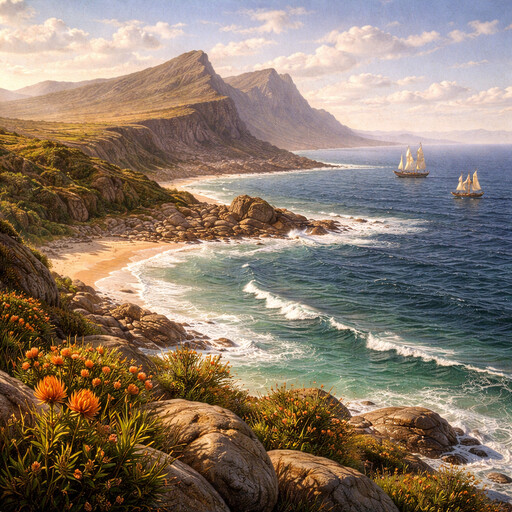
Cape of Good Hope
Southern headland of Africa
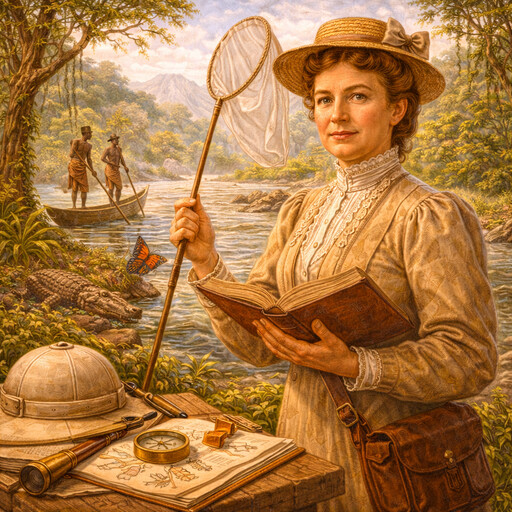
Mary Kingsley
British traveler and writer in West Africa
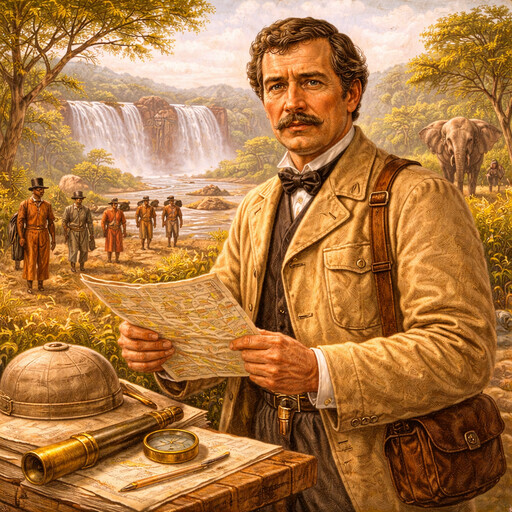
David Livingstone
Scottish explorer of Africa

Lewis and Clark Expedition
Exploring the land west of the Mississippi
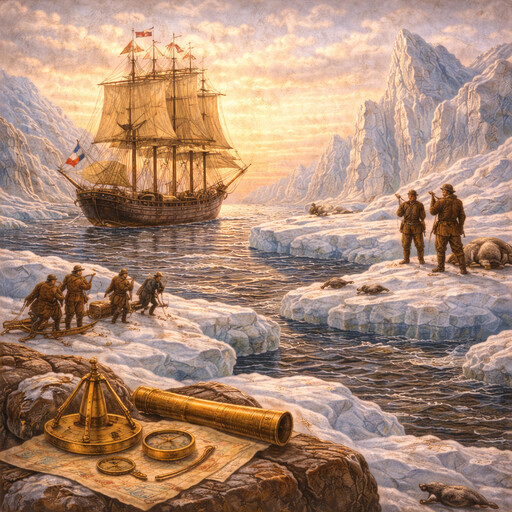
Northwest Passage
A sea route through Arctic waters

Louisiana Purchase
A land deal that doubled the United States
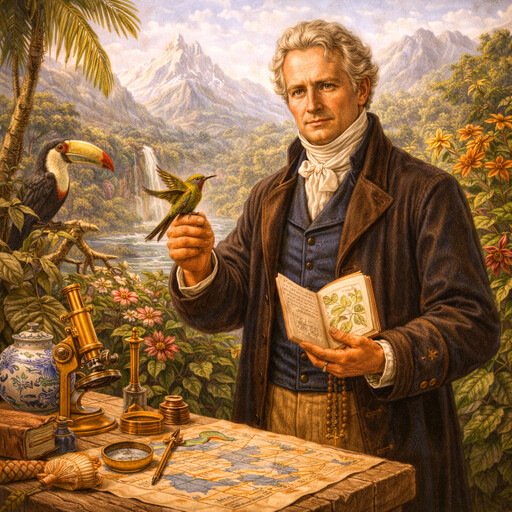
Alexander von Humboldt
Explorer of nature and the natural world

Conquistador
Spanish explorers and soldiers of empire
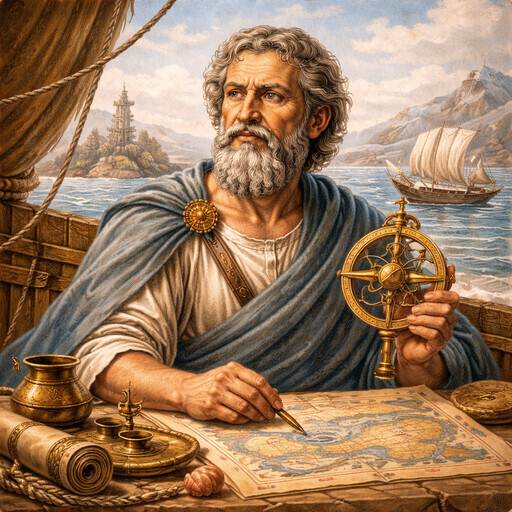
Pytheas
Greek explorer of the far north

Ptolemy
Ancient scholar of astronomy and geography