The First Opium War was a war fought between the Qing dynasty of China and Great Britain from 1839 to 1842. A war is an organized fight between governments or states. This conflict began because of disagreements over trade, laws, and control of goods entering China. The war was mainly fought along China’s coast and rivers. It ended with China’s defeat and a major peace agreement called the Treaty of Nanking.
Before the war, China limited trade with foreign countries. Foreign merchants were allowed to trade only in certain places and under strict rules. Britain bought large amounts of tea, silk, and porcelain from China. To balance trade, British merchants sold opium, a strong drug, in China. Opium caused serious health and social problems. The Qing government banned the drug and tried to stop its trade.
In 1839, a Chinese official named Lin Zexu led efforts to enforce the ban on opium. He ordered large amounts of opium to be seized and destroyed in Guangzhou. Britain viewed this action as a threat to its trade and citizens. Tensions grew, and fighting began between British naval forces and Qing troops. British ships had stronger weapons and better technology.
The fighting took place mainly along China’s coast and major rivers. British forces captured several ports and cities. Qing armies struggled to resist the attacks. The difference in military power became clear during the war. Britain’s use of steam-powered ships and modern cannons gave it a strong advantage. The Qing government was forced to seek peace.
In 1842, the war ended with the signing of the Treaty of Nanking. A treaty is a formal agreement between governments. China agreed to open five ports to British trade, pay a large sum of money called an indemnity, and give Hong Kong Island to Britain. The treaty did not address opium directly but weakened China’s control over trade and law.
The First Opium War marked a major change in China’s relations with foreign powers. It was the first in a series of conflicts known as the Opium Wars. After the war, other countries demanded similar agreements. These agreements reduced the Qing government’s authority and increased foreign influence in China during the nineteenth century.
First Opium War
Level
readlittle.com
Conflict between Qing China and Britain
What We Can Learn
- Fought between Britain and Qing China from 1839 to 1842
- Began over trade disputes and opium laws
- Britain won due to stronger military technology
- Ended with the Treaty of Nanking
Related Reads
Deng Xiaoping
Chinese leader of reform era
Mao Zedong
Leader of modern Communist China
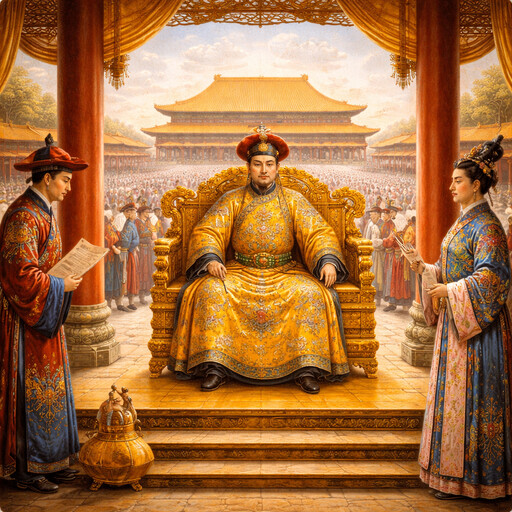
Qing dynasty
Last imperial dynasty of China
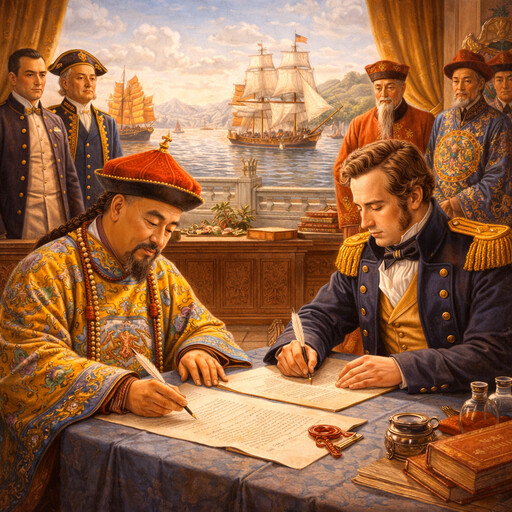
Treaty of Nanking
First unequal treaty between China and Britain
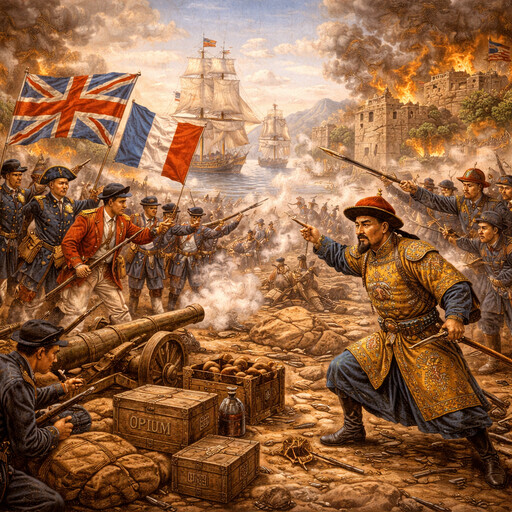
Second Opium War
Renewed conflict between China and Western powers
Ming dynasty
Chinese dynasty from 1368 to 1644
Second Boer War
War in southern Africa, 1899–1902
Matteo Ricci
European scholar in Ming China
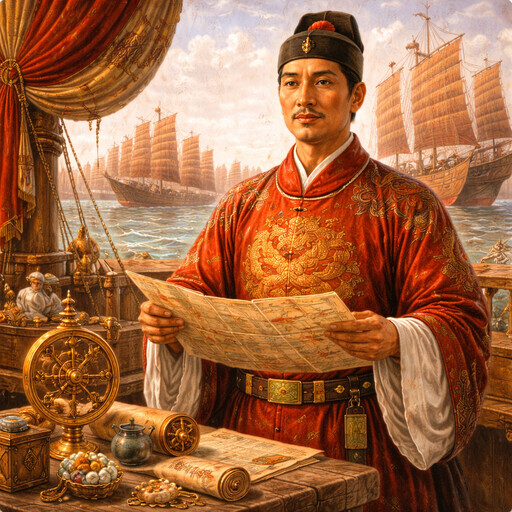
Zheng He
Admiral who led great ocean voyages
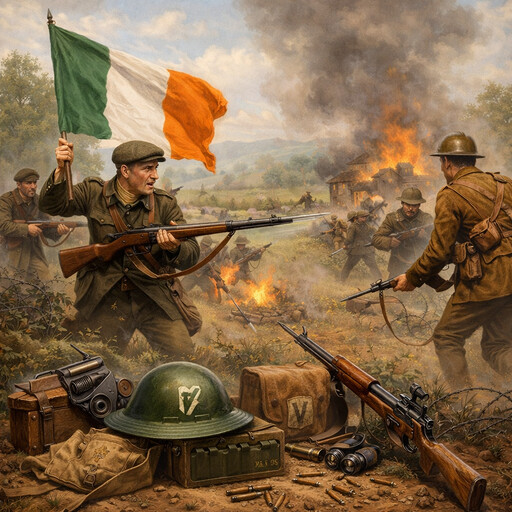
Irish War of Independence
Ireland’s fight for self-rule
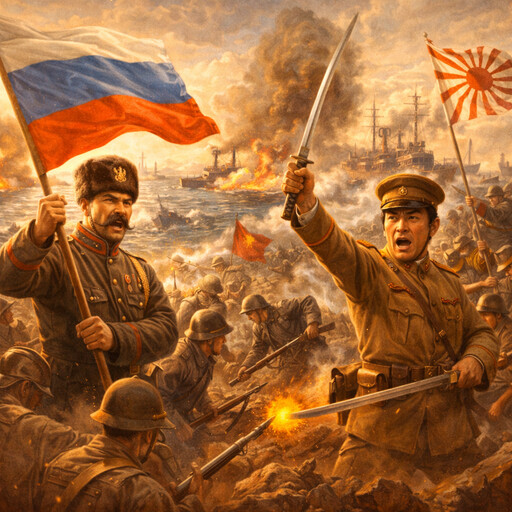
Russo-Japanese War
War between Russia and Japan
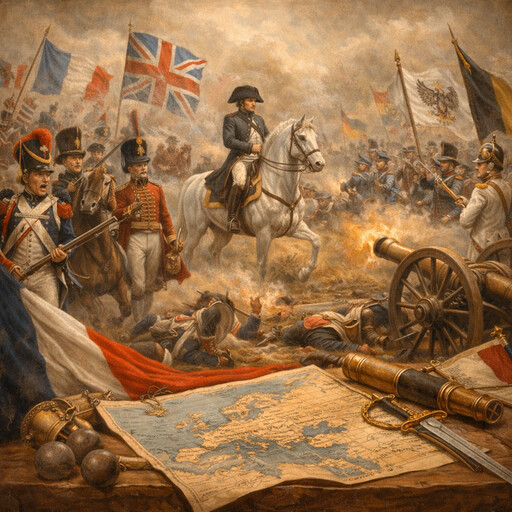
Napoleonic Wars
European wars during Napoleon’s rule