Mao Zedong was a Chinese political leader and revolutionary. He played a central role in the creation of the People’s Republic of China in 1949. A revolution is a major change in government, often caused by conflict or war. Mao was the main leader of the Chinese Communist Party, also called the CCP. Communism is a political system that aims to organize society with shared ownership of land and resources. Mao remained China’s top leader until his death in 1976.
Mao Zedong was born on December 26, 1893, in Hunan province, a farming area in central China. His family were peasants, meaning they worked on farms. Mao received some formal education and read many books about history and politics. As a young man, he became interested in new ideas about how China should be governed. At that time, China was ruled by emperors and later by weak governments. Many people were poor, and foreign countries had strong influence over China.
In the early 1920s, Mao joined the newly formed Chinese Communist Party. The party worked with another group, the Nationalist Party, for a short time. This cooperation later ended, and fighting began between the two sides. This long conflict is known as the Chinese Civil War. During this period, Mao became known as a leader who focused on support from peasants rather than city workers. He helped organize armed groups called the Red Army.
One important event in Mao’s rise was the Long March. The Long March was a long military retreat from 1934 to 1935. Communist forces traveled thousands of kilometers across China to escape Nationalist attacks. Many soldiers died from hunger, illness, and fighting. Mao gained greater control of the party during this time. The Long March became an important story in Communist history.
In the late 1930s and 1940s, China was invaded by Japan during the Second Sino-Japanese War. The Communists and Nationalists fought against Japan at the same time. After Japan was defeated in 1945, the civil war resumed. In 1949, Mao and the Communist Party won control of mainland China. Mao declared the founding of the People’s Republic of China in Beijing. The Nationalist government retreated to the island of Taiwan.
After taking power, Mao led major political and economic campaigns. One was the Great Leap Forward, begun in 1958. It aimed to rapidly increase farming and industry. Another was the Cultural Revolution, which started in 1966. It sought to change culture and society by removing old traditions and ideas. These campaigns caused major changes across China. Mao remained the country’s top leader until he died on September 9, 1976, in Beijing.
Mao Zedong
Level
readlittle.com
Leader of modern Communist China
What We Can Learn
- Mao Zedong helped found the People’s Republic of China
- He led the Chinese Communist Party
- Mao rose to power through war and revolution
- He governed China from 1949 until 1976
Related Reads

Revolutions of 1848
Uprisings across Europe in 1848
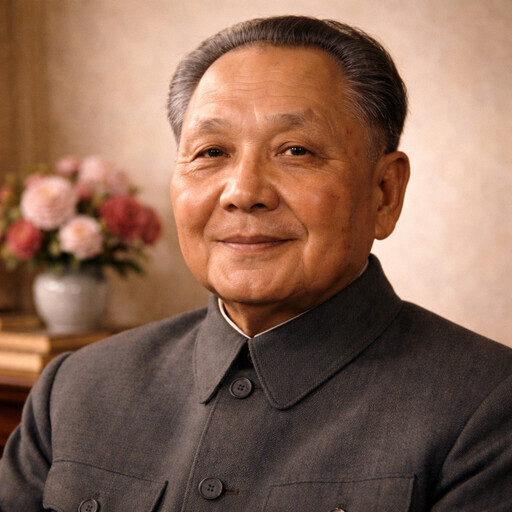
Deng Xiaoping
Chinese leader of reform era
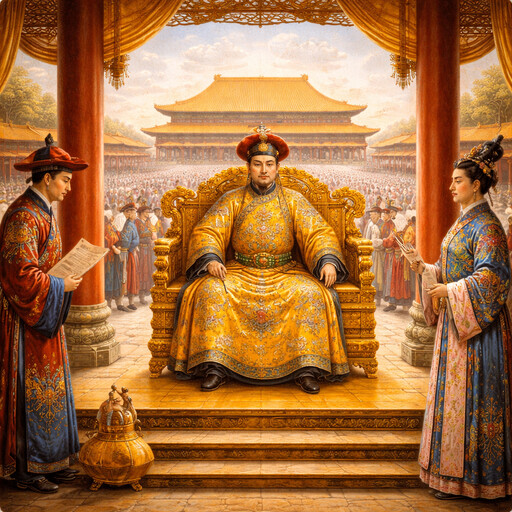
Qing dynasty
Last imperial dynasty of China
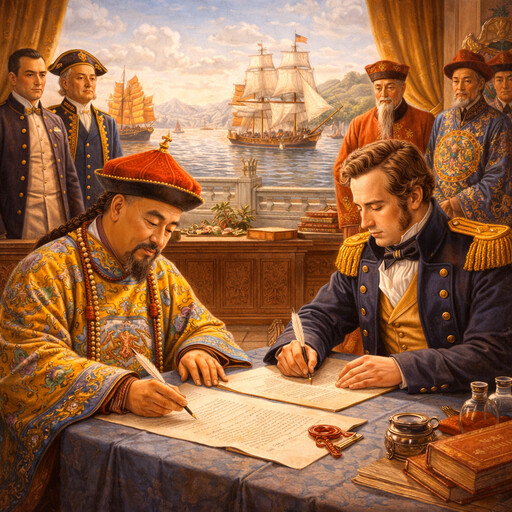
Treaty of Nanking
First unequal treaty between China and Britain
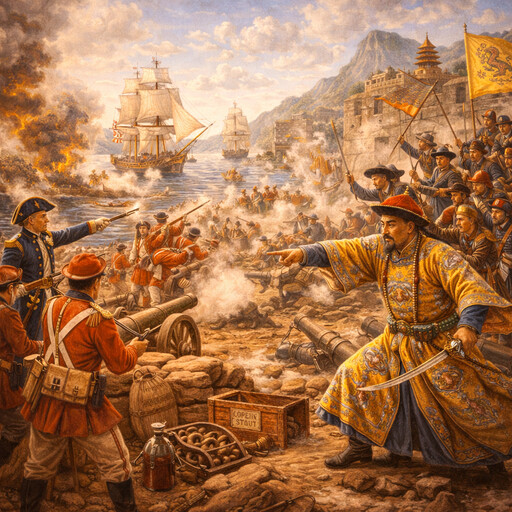
First Opium War
Conflict between Qing China and Britain
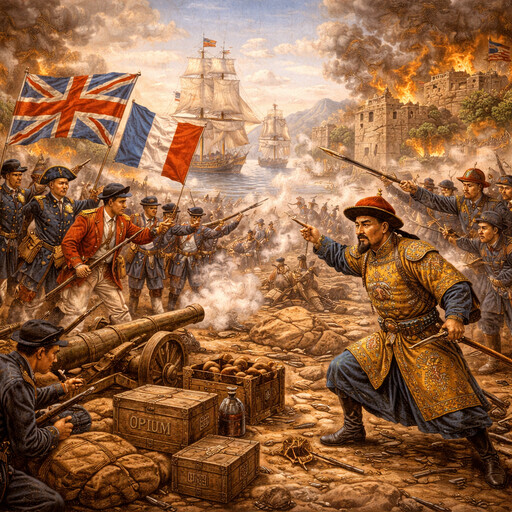
Second Opium War
Renewed conflict between China and Western powers
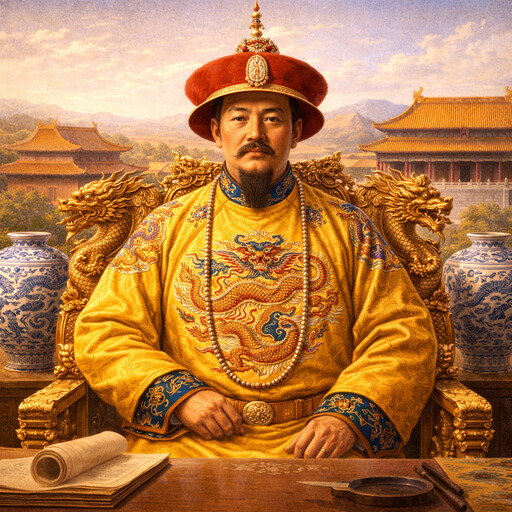
Ming dynasty
Chinese dynasty from 1368 to 1644
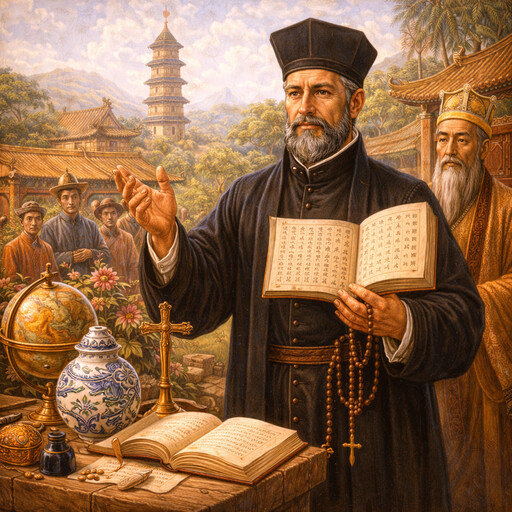
Matteo Ricci
European scholar in Ming China
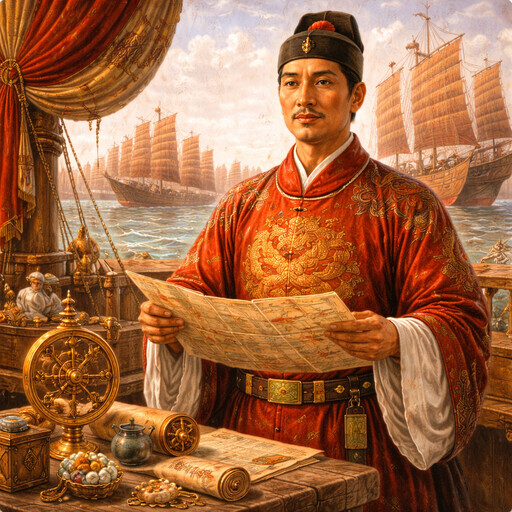
Zheng He
Admiral who led great ocean voyages
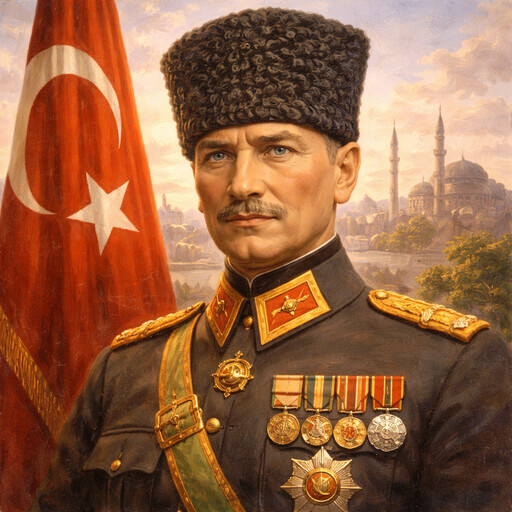
Mustafa Kemal Atatürk
Founder of modern Turkey
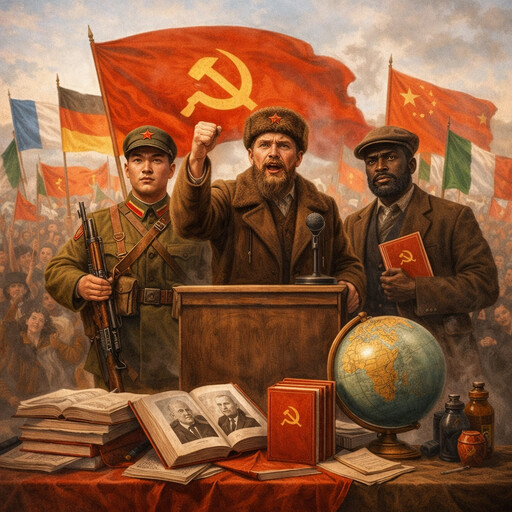
Communist International
Global organization of communist parties
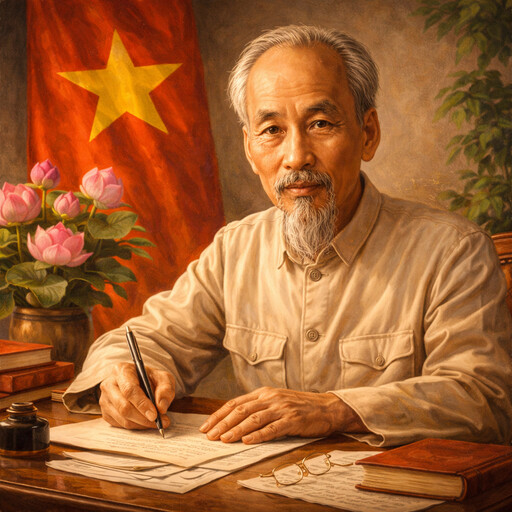
Ho Chi Minh
Leader of Vietnamese independence movement