Deng Xiaoping was a Chinese political leader who played a central role in the history of modern China. He helped guide the country after the death of Mao Zedong. Deng did not hold the top title of head of state for most of his career, but he was the most powerful leader in China from the late 1970s to the early 1990s. He is best known for changing China’s economic system and for opening the country to trade and contact with other nations.
Deng Xiaoping was born on August 22, 1904, in Sichuan Province, China. As a young man, he traveled to France as part of a work-study program. There, he learned about new political ideas and became involved with communism. Communism is a system where property and resources are owned by the state. Deng later studied in the Soviet Union. When he returned to China, he joined the Chinese Communist Party and worked closely with Mao Zedong during the Chinese Civil War.
After the Communist Party came to power in 1949, Deng held many important government positions. He helped manage China’s economy and government administration. During the Cultural Revolution, a political movement led by Mao Zedong from 1966 to 1976, Deng was removed from power. The Cultural Revolution aimed to remove old ideas and traditions, but it caused widespread disorder. Deng was criticized and sent away from leadership roles. Later, he was allowed to return to government work.
After Mao Zedong died in 1976, Deng Xiaoping gradually became the most influential leader in China. He believed that China needed change to recover from years of economic trouble. Deng introduced a series of policies known as reform and opening-up. These reforms allowed farmers to sell extra crops, encouraged small businesses, and welcomed foreign investment. Investment means money put into businesses or projects to help them grow. These changes moved China away from a fully planned economy toward a mixed system.
Deng also changed China’s foreign relations. He worked to improve ties with other countries, including the United States. In 1979, China and the United States formally established diplomatic relations. Diplomatic relations are official connections between governments. Deng believed China needed a peaceful international environment to focus on development at home. He often said that economic growth was a priority for the country.
Deng Xiaoping remained influential even after retiring from official positions. In 1989, during protests centered in Tiananmen Square in Beijing, the government used military force to clear demonstrators. Deng supported the decision. After this period, he continued to support economic reforms. Deng Xiaoping died on February 19, 1997. His leadership shaped China’s path into the late twentieth century and beyond.
Deng Xiaoping
Level
readlittle.com
Chinese leader of reform era
What We Can Learn
- Deng Xiaoping led China after Mao Zedong
- He introduced major economic reforms
- He opened China to foreign trade and relations
- He influenced China without holding top titles
Related Reads
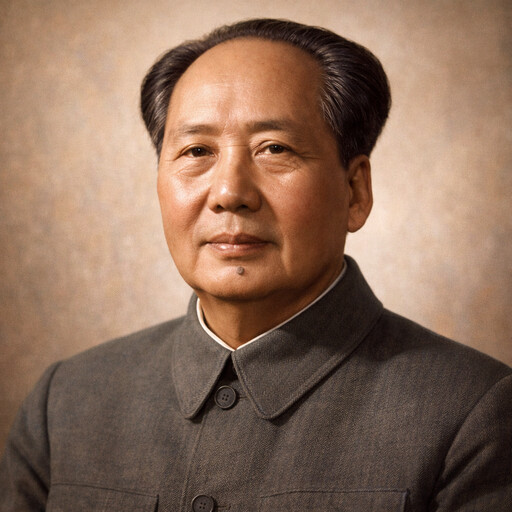
Mao Zedong
Leader of modern Communist China
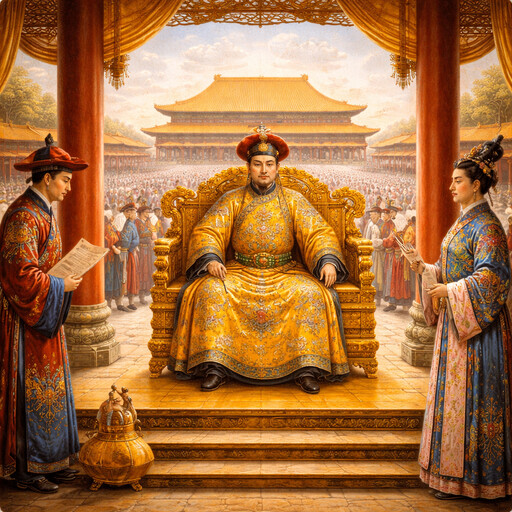
Qing dynasty
Last imperial dynasty of China
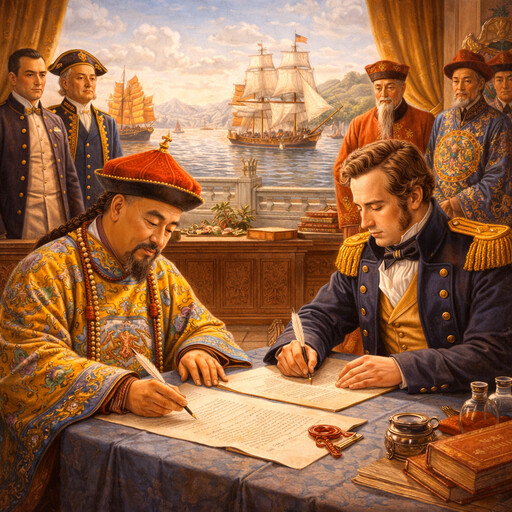
Treaty of Nanking
First unequal treaty between China and Britain
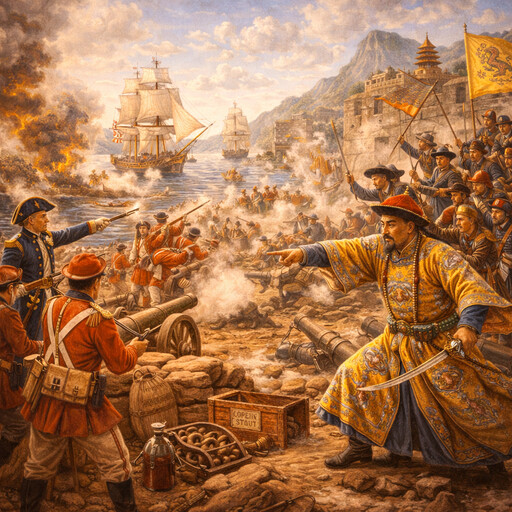
First Opium War
Conflict between Qing China and Britain
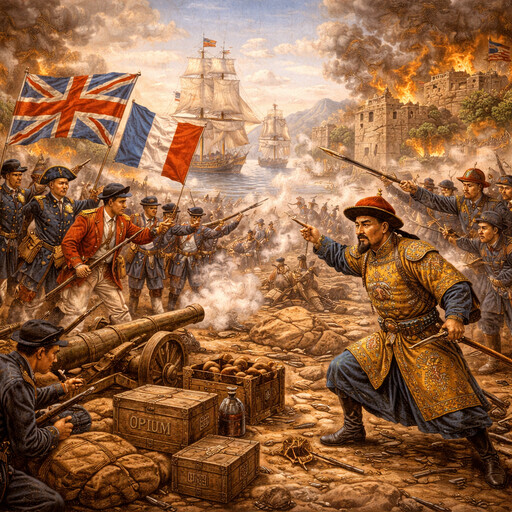
Second Opium War
Renewed conflict between China and Western powers
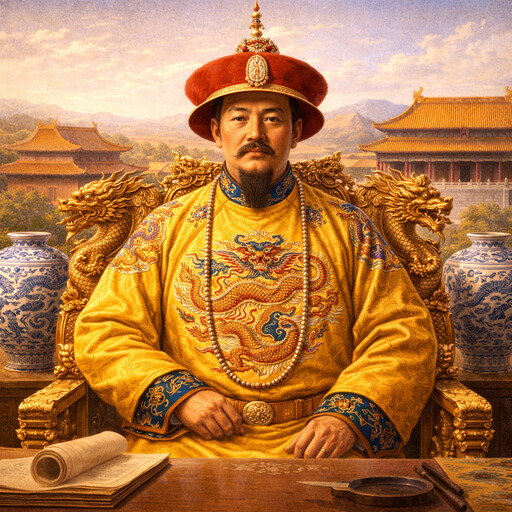
Ming dynasty
Chinese dynasty from 1368 to 1644
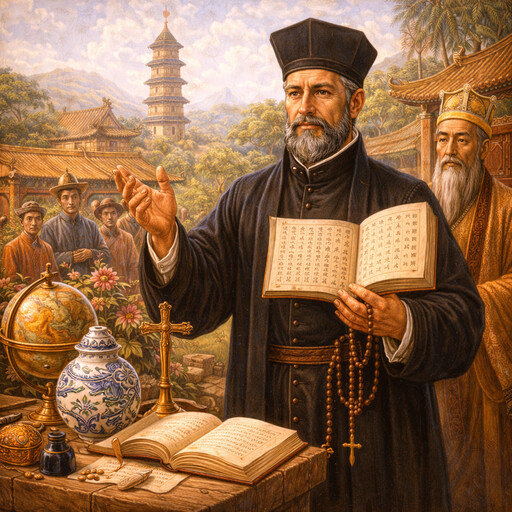
Matteo Ricci
European scholar in Ming China
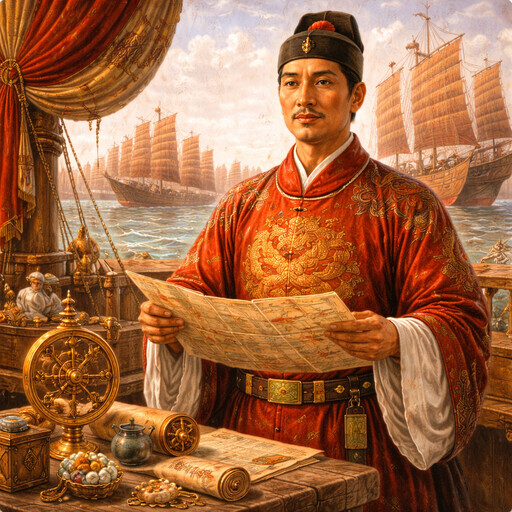
Zheng He
Admiral who led great ocean voyages
Communist International
Global organization of communist parties
Nikita Khrushchev
Soviet leader during the Cold War
Robert Owen
Early socialist and factory reformer
Yuan dynasty
Mongol-led dynasty of China