Mongolia is a landlocked country in Central Asia sandwiched between Russia to the north and China to the south. Much of the land is a sea of grassland steppes where herders move herds of horses, sheep, goats, and yaks between seasonal pastures. The Gobi Desert spreads across the south with rocky valleys and sand dunes, while the Khangai and Altai Mountains hold pine forests, glaciers, and fossil-rich canyons. Winters can drop below –30 °C, so gers, the round felt tents used by nomads, are insulated with thick wool.
Mongolia is a parliamentary republic. Citizens elect the State Great Khural (parliament), which selects a prime minister to lead the government, while the president serves as head of state. The country is divided into aimags (provinces) and soums (districts) that manage schools, clinics, and veterinary services for rural herders. Ulaanbaatar, the capital, is home to nearly half the population and stretches along the Tuul River with new high-rises, public transit projects, and pollution-control plans for harsh winters.
Mongolian history includes the Xiongnu confederations, Turkic khanates, and the 13th-century Mongol Empire founded by Chinggis Khaan, whose horse-mounted armies connected Eurasian trade routes. After centuries under Qing rule, Mongolia declared independence in 1911, became a socialist republic allied with the Soviet Union, and transitioned to democracy and a market economy in 1990. Today Mongolia belongs to the United Nations, the Arctic Council observer group, and regional trade initiatives.
The modern economy blends pastoral livestock, mining, and services. Livestock outnumber people by more than ten to one, providing cashmere, wool, meat, and dairy. Mines extract copper, coal, gold, and rare earth metals, particularly at the Oyu Tolgoi project in the Gobi. Renewable-energy parks tap strong winds and sun, and digital startups in Ulaanbaatar work on fintech and e-learning tools for dispersed communities.
Culture celebrates nomadic arts, throat singing called khöömei, and Naadam sports of wrestling, horse racing, and archery. Families share milk tea, steamed dumplings called buuz, and fermented mare's milk known as airag. Buddhist monasteries like Gandantegchinlen coexist with shamanic practices that honor sacred mountains and rivers. Students learn Mongolian Cyrillic in school, while some classes also revive traditional vertical script, and portable solar panels allow children in herding families to study after sunset.
Mongolia
Level
readlittle.com
Grassland steppes and nomad traditions
What We Can Learn
- Mongolia spans steppes, deserts, and mountains between Russia and China.
- A parliamentary republic governs aimags and soums while Ulaanbaatar grows rapidly.
- Chinggis Khaan's empire, socialism, and the 1990 democratic transition shape history.
- Livestock, mining, renewables, and nomadic festivals drive the economy and culture.
Related Reads

Johann Gottfried Herder
German thinker of culture and language
No image
Monarchy
Government ruled by a royal family
Ming dynasty
Chinese dynasty from 1368 to 1644
Cape of Good Hope
Southern headland of Africa
Thomas Jefferson
Author and third U.S. president
Mary Kingsley
British traveler and writer in West Africa
David Livingstone
Scottish explorer of Africa
Northwest Passage
A sea route through Arctic waters
Alexander von Humboldt
Explorer of nature and the natural world
Louisiana Purchase
A land deal that doubled the United States

Lewis and Clark Expedition
Exploring the land west of the Mississippi
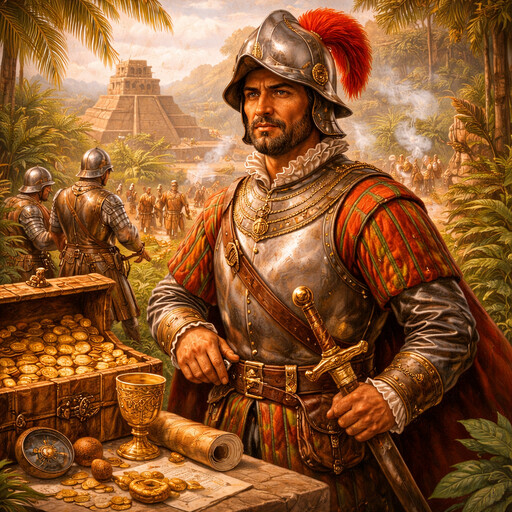
Conquistador
Spanish explorers and soldiers of empire