The Second Opium War was a military conflict fought from 1856 to 1860 between the Qing dynasty of China and several Western countries, mainly Great Britain and France. A war is an organized fight between governments or states. This war followed the First Opium War and grew out of ongoing disagreements about trade, law, and foreign access to China. The fighting took place mainly in southern and northern China and ended with China’s defeat.
After the First Opium War, China signed treaties that opened some ports to foreign trade. However, many Western governments wanted more rights. They wanted more ports, better trade terms, and permission for their citizens to travel freely in China. The Qing government resisted these demands. Tensions increased when Chinese officials stopped a British-registered ship called the Arrow in 1856. Britain claimed this was an insult to its flag, even though the ship’s status was unclear.
Britain used the Arrow incident as a reason to start military action. France soon joined Britain after a French missionary was killed in China. Other countries, such as the United States and Russia, later became involved in diplomacy. Fighting began along the coast and rivers. Western forces used modern ships and weapons, while Qing forces relied on older equipment.
Western troops captured several important cities, including Guangzhou. Later, fighting moved north toward Beijing, the capital. In 1860, British and French forces entered Beijing. During this campaign, the Old Summer Palace, a large imperial garden and palace complex, was destroyed. This event marked a major moment in the war and showed the weakness of Qing defenses.
The war ended with a series of agreements known as the Treaties of Tientsin and the Convention of Beijing. A treaty is a formal agreement between governments. China agreed to open more ports, allow foreign diplomats to live in Beijing, permit Christian missionaries to travel, and legalize the opium trade. China also paid large sums of money called indemnities and gave more land to foreign control.
The Second Opium War greatly increased foreign influence in China. It reduced the Qing government’s control over trade and law. The war is often linked with a period called the “century of humiliation,” which refers to a time when China faced repeated defeats and unequal treaties. The effects of the war shaped China’s relations with foreign powers for many years.
Second Opium War
Level
readlittle.com
Renewed conflict between China and Western powers
What We Can Learn
- Fought from 1856 to 1860 between China and Western powers
- Began after disputes over trade and the Arrow incident
- Britain and France played leading military roles
- Ended with treaties that increased foreign control
Related Reads
Deng Xiaoping
Chinese leader of reform era
Cuban Missile Crisis
Cold War nuclear standoff in 1962
Mao Zedong
Leader of modern Communist China
Henry Kissinger
American diplomat and foreign policy leader
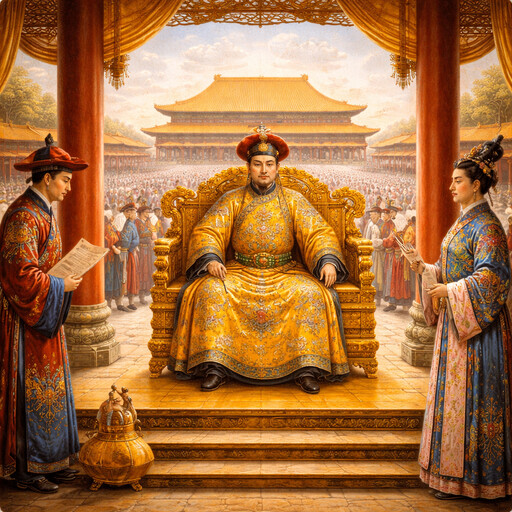
Qing dynasty
Last imperial dynasty of China
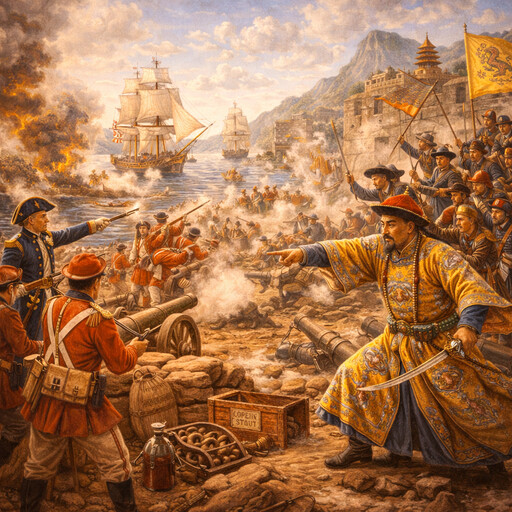
First Opium War
Conflict between Qing China and Britain
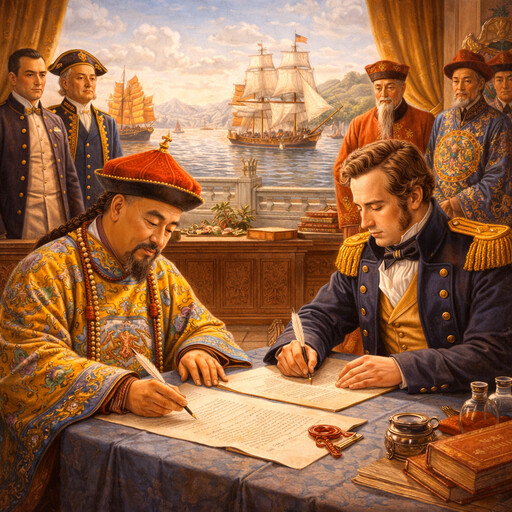
Treaty of Nanking
First unequal treaty between China and Britain
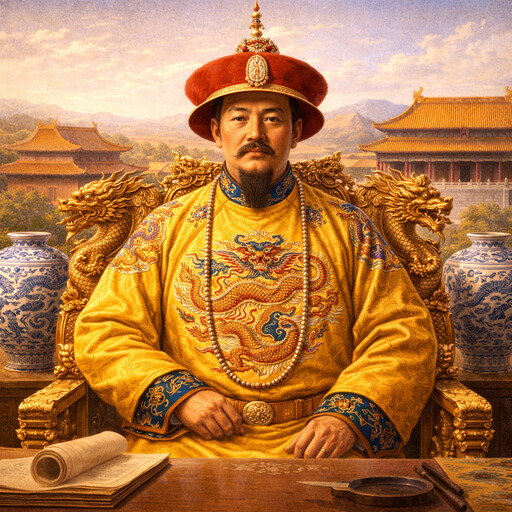
Ming dynasty
Chinese dynasty from 1368 to 1644
Second Boer War
War in southern Africa, 1899–1902
Matteo Ricci
European scholar in Ming China
Zheng He
Admiral who led great ocean voyages
Irish War of Independence
Ireland’s fight for self-rule