The Spanish flu was a global outbreak of influenza, a contagious illness of the respiratory system. It took place mainly between 1918 and 1919. A pandemic is a disease outbreak that spreads across many countries or continents. The Spanish flu spread rapidly around the world and affected people of all ages.
The pandemic began during the final year of World War I. Large numbers of soldiers were moving between countries, which helped the virus spread. The illness was caused by a type of influenza virus. Many people experienced fever, cough, headache, and extreme tiredness. In severe cases, the lungs filled with fluid, making breathing very difficult.
The name "Spanish flu" does not mean the disease started in Spain. Spain was neutral during World War I, so its newspapers reported openly about the outbreak. In other countries, news was often limited because of wartime censorship. This made it seem as if Spain was more affected, even though the flu spread in many places.
The Spanish flu occurred in several waves. A wave is a period when many cases appear at the same time. The second wave, in late 1918, was the deadliest. Unlike many other flu outbreaks, the Spanish flu killed many young adults as well as the elderly. Doctors at the time did not fully understand viruses, which made treatment difficult.
It is estimated that about 500 million people were infected worldwide. This was roughly one third of the world’s population at the time. Death estimates vary, but many historians believe that at least 50 million people died. Some regions experienced serious shortages of workers and medical staff because so many people were ill.
The Spanish flu gradually ended by 1919. Over time, people developed immunity, meaning resistance to the virus. The pandemic led to changes in public health, including better tracking of diseases and improved hospital systems. The Spanish flu remains one of the deadliest pandemics in recorded history.
Spanish flu
Level
readlittle.com
Global influenza pandemic of 1918
What We Can Learn
- The Spanish flu was a global pandemic in 1918–1919
- It was caused by an influenza virus
- It spread rapidly during World War I
- Millions of people died worldwide
Related Reads

Fritz Haber
German chemist of the early 1900s

Treaty of Versailles
Peace agreement ending World War I
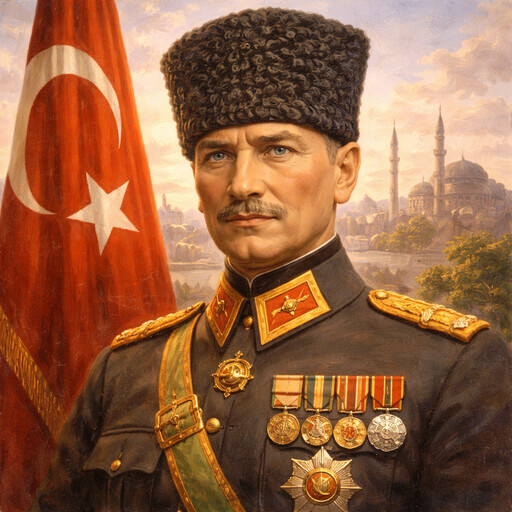
Mustafa Kemal Atatürk
Founder of modern Turkey
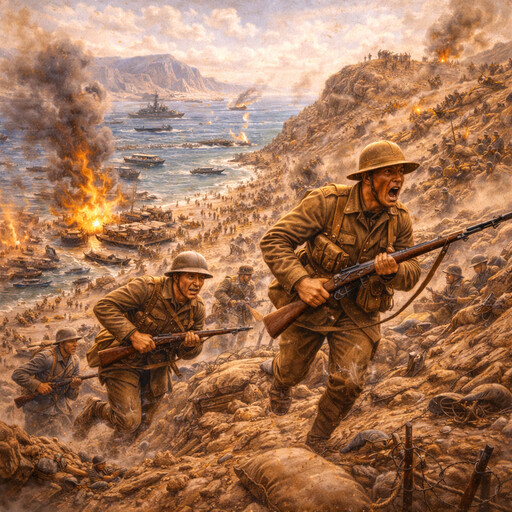
Gallipoli campaign
World War I campaign in Turkey

Zeppelin
Large rigid airship for flight

David Lloyd George
British prime minister during World War I
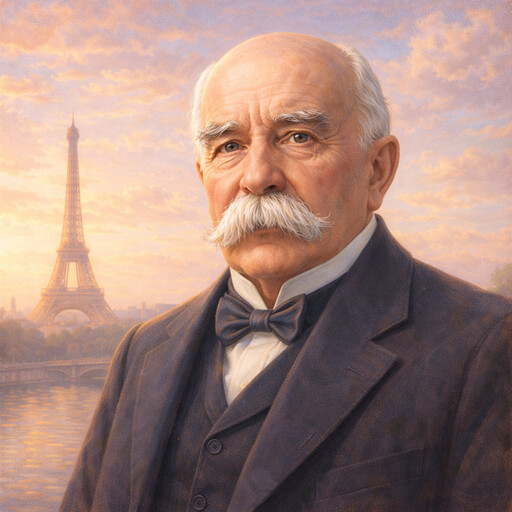
Georges Clemenceau
French leader during World War I
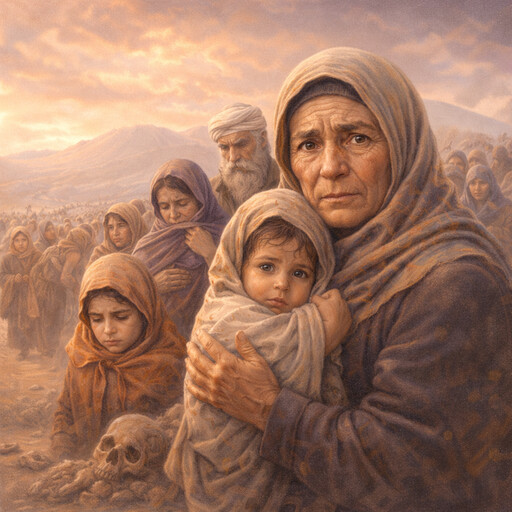
Armenian genocide
Mass killing of Armenians during World War I

Easter Rising
Irish uprising in Dublin, 1916

Battle of Verdun
Longest battle of World War I

July Crisis
Diplomatic crisis before World War I

Battle of the Somme
Major World War I battle