Uruguay occupies a wedge of land between the Uruguay River on the west, the Atlantic ocean on the east, and brazil to the north. The landscape consists mostly of gently rolling pampas where cattle and sheep graze on tall grasses. Montevideo, the capital, sits on the Río de la Plata estuary and blends historic Ciudad Vieja streets, seaside rambla promenades, and tech companies housed in refurbished warehouses. Punta del Este's beaches, Colonia del Sacramento's cobbled lanes, and Rocha's lagoons attract tourists year-round.
Rivers and wetlands shape the countryside. The Río Negro crosses the nation from north to south, feeding dams that generate hydropower and reservoirs used for irrigation. Uruguay's coastline features dunes, fishing ports, and marine reserves that protect sea lions and shorebirds. Farmers rotate rice, soy, and winter pastures, while dairies produce cheese and dulce de leche. Public policies encourage soil conservation, traceable beef exports, and shared grazing cooperatives.
Uruguay gained independence in 1825 after the Thirty-Three Orientals launched a revolt against Brazilian control. The young republic endured civil wars in the 1800s but gradually stabilized, building strong public education and social welfare programs in the 20th century. Modern governments legalized same-sex marriage, expanded renewable energy, and invested in universal internet access for schools through the Plan Ceibal laptop program. Today Uruguay ranks high in press freedom, transparency, and voter participation.
The economy centers on livestock, grains, forestry plantations, wind and solar power, and services such as banking, logistics, and software development. More than 90 percent of Uruguay's electricity now comes from renewables, thanks to wind farms spinning across the pampas and biomass plants fueled by eucalyptus residues. Startups cluster in Montevideo's technology Park, exporting video games, fintech tools, and agricultural sensors.
culture thrives through mate-drinking traditions, murga street theater, candombe drum parades, and football clubs like Peñarol and Nacional. The annual Carnival mixes satire with samba rhythms, while gaucho festivals in Tacuarembó honor horseback skills and folk music. Students attend free public universities, coding bootcamps, and bilingual charter schools. Environmental groups monitor coastal dunes, replant native forests, and promote bike lanes along Montevideo's waterfront.
Uruguay
Level
readlittle.com
Atlantic plains, mate culture, and modern policies
What We Can Learn
- Uruguay's pampas, rivers, and Atlantic beaches support grazing, farming, and tourism
- The country stabilized after 19th-century conflicts and now upholds strong democratic institutions
- Livestock, forestry, tech services, and renewable energy drive the economy
- Mate culture, Carnival, and education programs nurture a highly engaged society
Related Reads
No image
Monarchy
Government ruled by a royal family

Johann Gottfried Herder
German thinker of culture and language

Max Planck
Founder of quantum theory
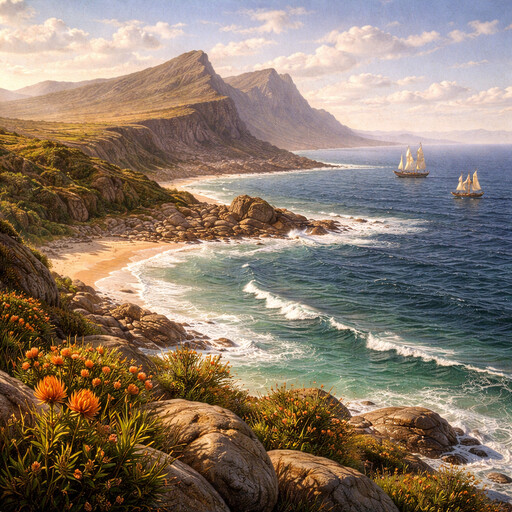
Cape of Good Hope
Southern headland of Africa
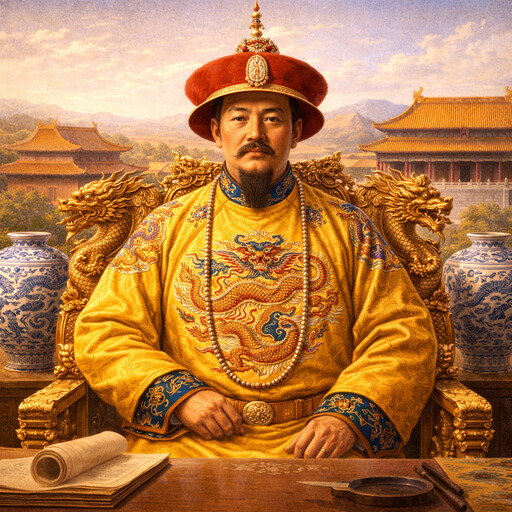
Ming dynasty
Chinese dynasty from 1368 to 1644
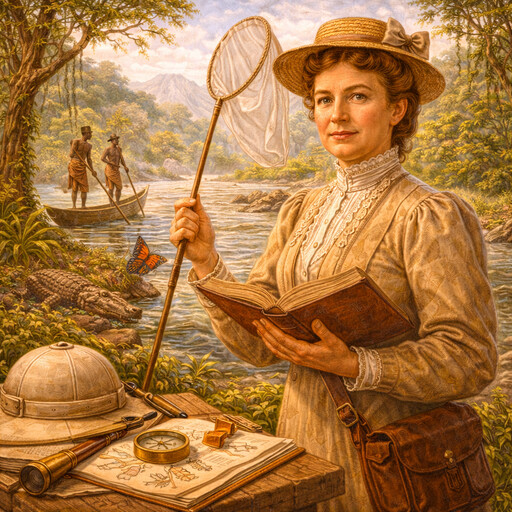
Mary Kingsley
British traveler and writer in West Africa
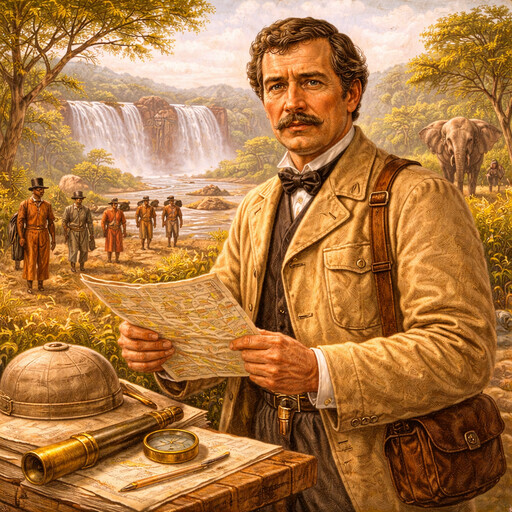
David Livingstone
Scottish explorer of Africa

Lewis and Clark Expedition
Exploring the land west of the Mississippi
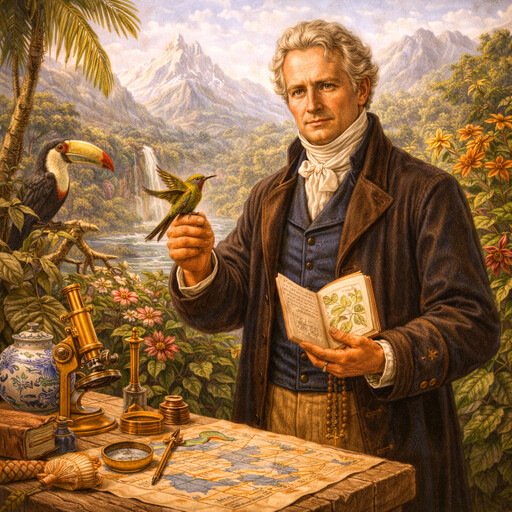
Alexander von Humboldt
Explorer of nature and the natural world
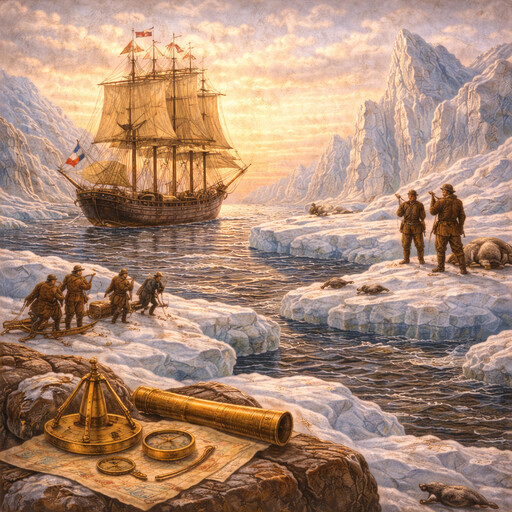
Northwest Passage
A sea route through Arctic waters

Louisiana Purchase
A land deal that doubled the United States
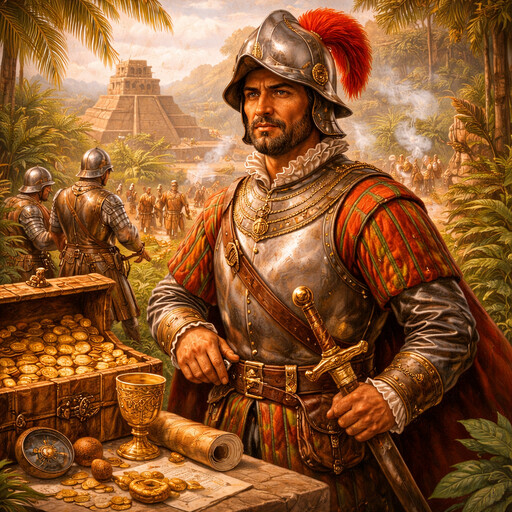
Conquistador
Spanish explorers and soldiers of empire