Poland sits between the Baltic Sea, Oder, Vistula, and Bug rivers, with the North European Plain rolling south toward the Sudetes and Tatra Mountains. The Baltic coast hosts sand dunes, amber beaches, and marshland habitats, while the Masurian Lake District offers waterways, woodlands, and wildlife reserves.
Poland is a parliamentary republic with a president as head of state and a prime minister directing the Council of Ministers. A bicameral parliament, the Sejm and Senate, passes laws, while courts guard the constitution. Sixteen voivodeships coordinate infrastructure, education, and economic planning, and municipalities manage local services and heritage sites.
History spans medieval Piast and Jagiellonian dynasties, a Commonwealth with Lithuania, and partitions by neighboring empires that erased independence for more than a century. Nevertheless, cultural institutions, universities, and underground presses nurtured identity. The 20th century saw invasion, resistance movements, the Solidarity trade union, and the peaceful negotiations that restored democracy in 1989.
Poland's economy balances agriculture on fertile plains with coal mining, shipyards, automotive factories, and rapidly expanding technology parks. Logistics corridors link the Baltic ports of Gdańsk and Gdynia to inland cities such as Warsaw, Poznań, and Wrocław. Renewable energy, rail modernization, and digital startups attract international investment, while traditional crafts like pottery and folk art draw visitors.
Culture shines through Gothic cathedrals, wooden churches, and UNESCO-listed old towns where music festivals celebrate composers like Frédéric Chopin. Regional dishes such as pierogi, smoked cheeses, and rye soups enliven markets, and outdoor recreation stretches from Tatra hiking to Białowieża's primeval forest. Poland participates in the European Union, NATO, and Baltic cooperation to support security, infrastructure, and environmental stewardship.
Poland
Level
readlittle.com
Central European plains of resilience
What We Can Learn
- Poland's geography ranges from Baltic shores to southern mountains and lakes.
- Democratic institutions include a president, prime minister, Sejm, Senate, and voivodeships.
- History of partitions, resistance, and Solidarity shaped modern independence.
- Industry, agriculture, and technology hubs connect Poland to European markets.
Related Reads
No image
Monarchy
Government ruled by a royal family

Johann Gottfried Herder
German thinker of culture and language
Cuban Missile Crisis
Cold War nuclear standoff in 1962
Henry Kissinger
American diplomat and foreign policy leader
Second Opium War
Renewed conflict between China and Western powers
Ming dynasty
Chinese dynasty from 1368 to 1644
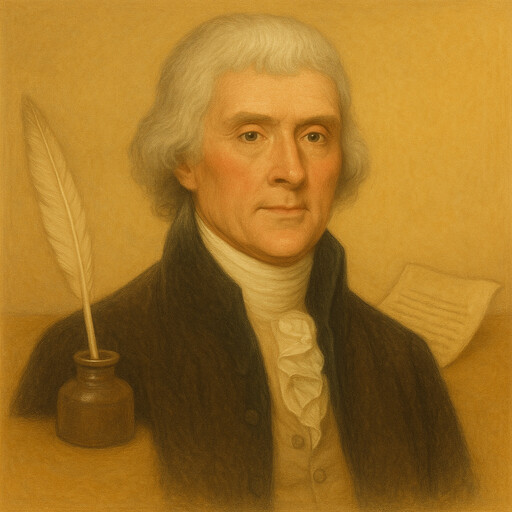
Thomas Jefferson
Author and third U.S. president
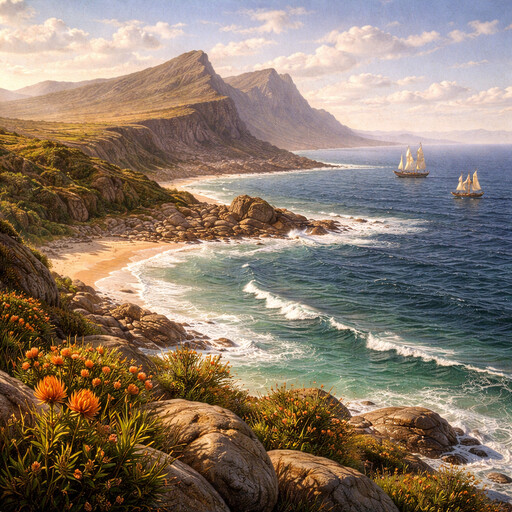
Cape of Good Hope
Southern headland of Africa
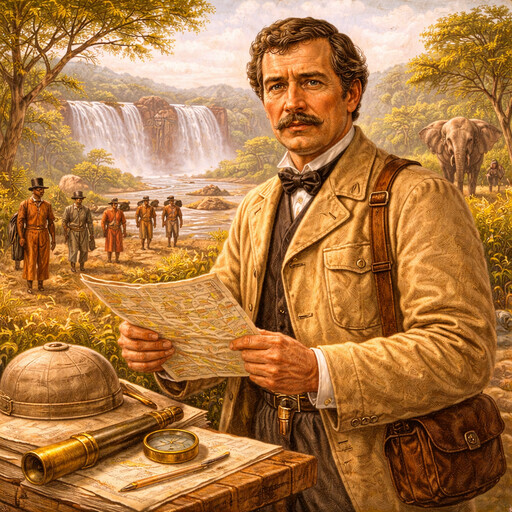
David Livingstone
Scottish explorer of Africa
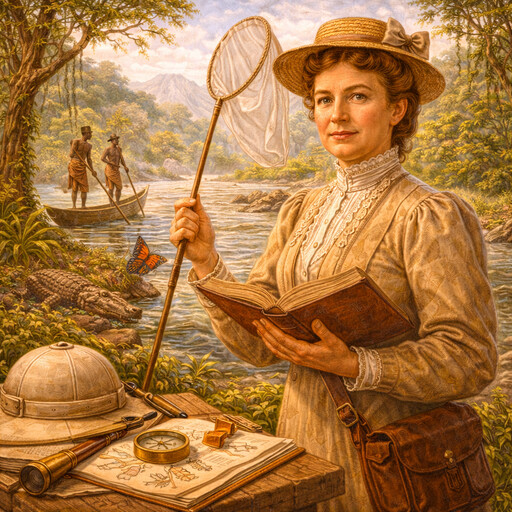
Mary Kingsley
British traveler and writer in West Africa
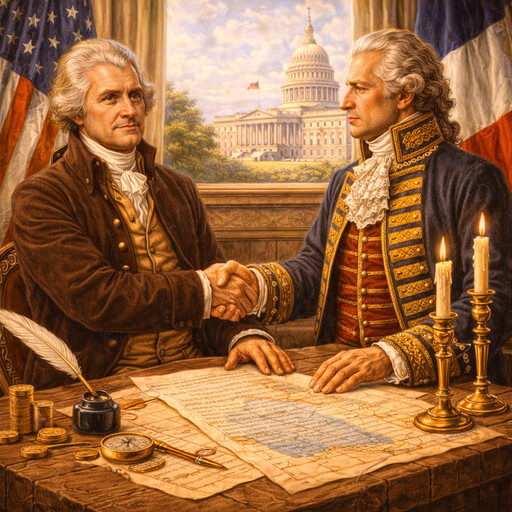
Louisiana Purchase
A land deal that doubled the United States

Lewis and Clark Expedition
Exploring the land west of the Mississippi