Finland occupies the northern edge of Europe between Sweden, Norway, and Russia, with more than 180,000 lakes, countless islands, and boreal forests known as the taiga. The south opens to the Gulf of Finland and Baltic Sea, while Lapland extends beyond the Arctic Circle with fells, tundra, and aurora-filled winters. Glacial soils nurture spruce, pine, and birch, and meltwater rivers feed hydroelectric stations and salmon fisheries.
The state is a parliamentary republic with a president who handles foreign policy alongside a prime minister and Cabinet responsible to the Eduskunta, Finland's parliament. Regions and municipalities coordinate health, schooling, and transport, and Sámi assemblies represent indigenous interests in the north. Civic life blends direct democracy tools, digital services, and trust in public institutions built on transparency and low corruption levels.
History includes Stone Age settlements, Swedish rule, Russian grand duchy status, and a declaration of independence in 1917. Citizens defended their territory during the Winter War and Continuation War, later steering a policy of neutrality that balanced East and West during the Cold War. Joining the European Union in 1995 and NATO in 2023 reflected renewed security partnerships, while comprehensive education reforms and cooperative forestry policies fostered social cohesion.
Finland's economy mixes paper and pulp heritage with electronics, gaming, shipbuilding, and clean technology. Companies design 5G networks, icebreakers, and virtual entertainment, while startups experiment with circular economy solutions like textile recycling and carbon capture. The welfare model supports parental leave, public libraries, and universal healthcare, funded by progressive taxation. Renewable energy combines bioenergy from forestry residues, hydroelectric dams, and growing onshore wind farms across Ostrobothnia.
Cultural traditions celebrate sauna rituals, midsummer bonfires, and literature from Tove Jansson to contemporary authors. Finns compete in winter sports, design iconic architecture, and honor Sámi joik singing alongside modern music festivals. Education highlights phenomenon-based learning and bilingual instruction in Finnish and Swedish, and Finland contributes to the United Nations, Arctic Council, and European innovation programs focused on sustainable development.
Finland
Level
readlittle.com
Land of lakes, forests, and high-tech trust
What We Can Learn
- Finland spans Baltic coasts, lake districts, and Arctic Lapland under long winters and bright summers.
- A parliamentary republic balances presidential foreign policy with parliamentary governance and strong local services.
- Independence, wartime resilience, and education reforms shape national identity.
- Forestry, technology, and renewable energy sustain a high-trust economy.
Related Reads
No image
Monarchy
Government ruled by a royal family

Johann Gottfried Herder
German thinker of culture and language
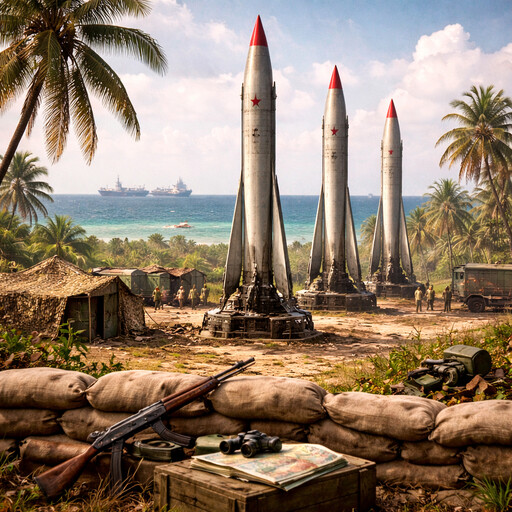
Cuban Missile Crisis
Cold War nuclear standoff in 1962
Henry Kissinger
American diplomat and foreign policy leader
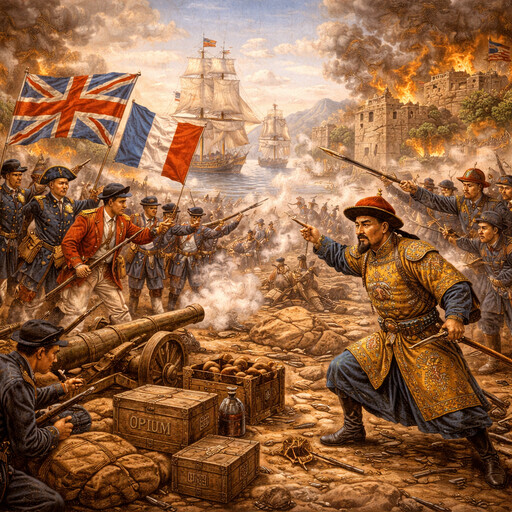
Second Opium War
Renewed conflict between China and Western powers
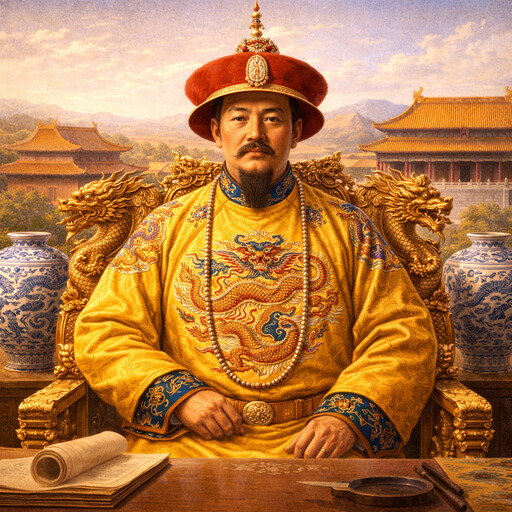
Ming dynasty
Chinese dynasty from 1368 to 1644
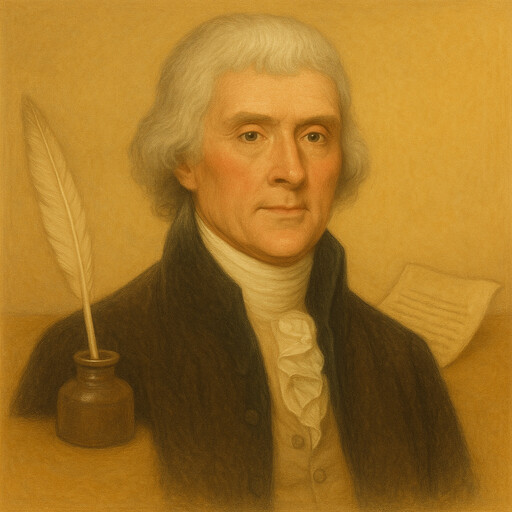
Thomas Jefferson
Author and third U.S. president
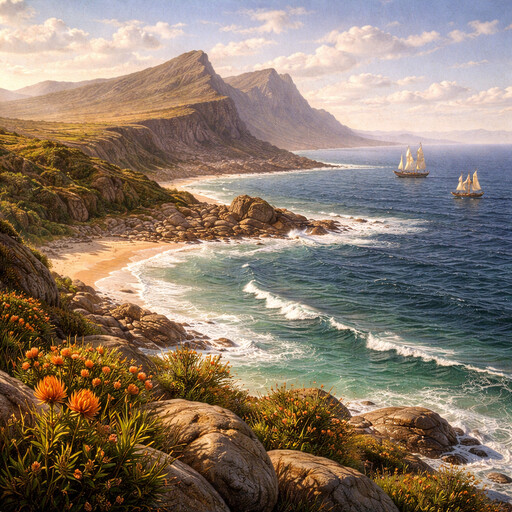
Cape of Good Hope
Southern headland of Africa
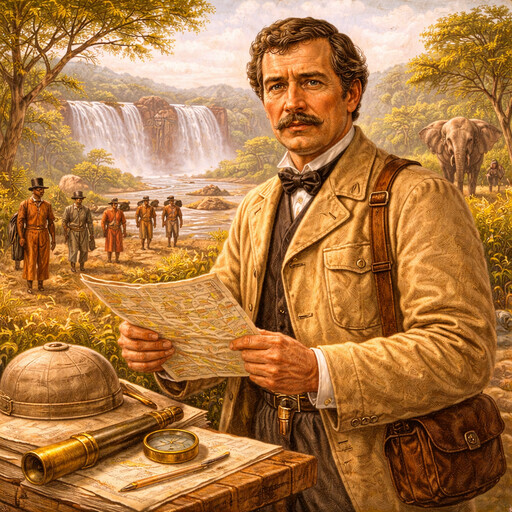
David Livingstone
Scottish explorer of Africa
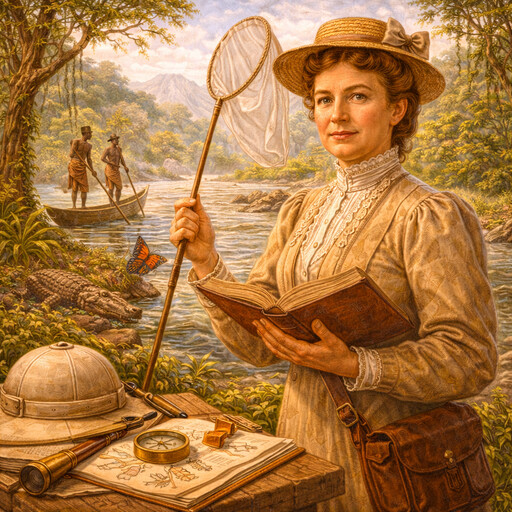
Mary Kingsley
British traveler and writer in West Africa

Louisiana Purchase
A land deal that doubled the United States

Lewis and Clark Expedition
Exploring the land west of the Mississippi