Antelope Canyon is a narrow slot canyon on Navajo Nation land near Page, Arizona, in the United States. Millions of years of flash floods and desert winds carved tall sandstone walls into flowing shapes that glow orange, pink, and purple when sunlight shines through the narrow openings above. Navajo guides call the upper section Tsé bighánílíní, meaning “the place where water runs through rocks,” and they share stories that connect the canyon to their culture.
The canyon has two main sections open to visitors: Upper Antelope Canyon and Lower Antelope Canyon. The upper section is wider at the bottom, creating famous light beams between late spring and early autumn when midday sun angles straight down. Lower Antelope requires climbing metal stairs and ladders through tighter twists, rewarding travelers with swirling patterns and heart-shaped chambers. Guides explain how flash floods continue to shape the passage, reminding guests that the canyon is a living landscape.
Because the walls are fragile and the canyon can flood quickly, the Navajo Parks and Recreation Department controls access using guided tours only. Groups must stay with their guide, follow posted paths, and keep backpacks small to avoid brushing the walls. Rangers study weather forecasts, use upstream rain gauges, and close the canyon if storms approach even if the sun is shining locally. These safety rules were strengthened after a deadly flood in 1997.
Photographers visit Antelope Canyon to capture the shifting colors created by reflected light. Dust tossed into sunbeams makes bright columns that look like glowing curtains. However, photography tours now limit tripods and time slots so that all visitors can enjoy the narrow passages fairly. Local artists sell sand paintings, jewelry, and crafts in Page and at the tour entrances, turning tourism into important income for Navajo families.
Scientists study the canyon to understand how sedimentary rock responds to stormwater and how slot canyons store clues about ancient climates. School groups learn about erosion, desert plants, and respect for sacred places. Visitors are asked to leave no trash, avoid writing on the stone, and listen to their guides, ensuring the sandstone corridors stay beautiful for future generations.
Antelope Canyon
Level
readlittle.com
Sunlit slot canyon on Navajo land
What We Can Learn
- Antelope Canyon formed as flash floods carved Navajo sandstone into narrow halls.
- Upper and Lower sections offer different paths, beams, and stairs.
- Guided tours, weather monitoring, and safety rules protect visitors and the canyon.
- Tourism supports Navajo artisans while teaching lessons about erosion and respect.
Related Reads
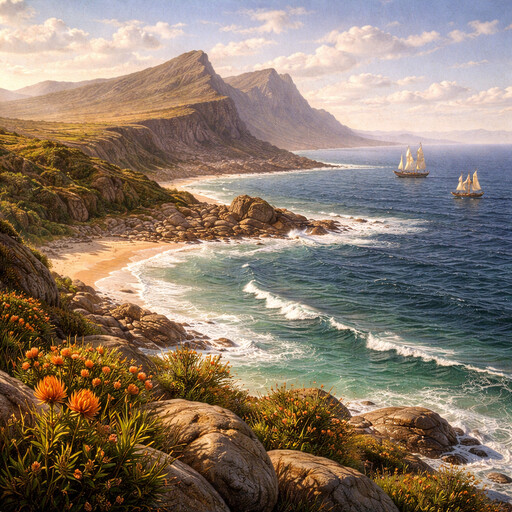
Cape of Good Hope
Southern headland of Africa
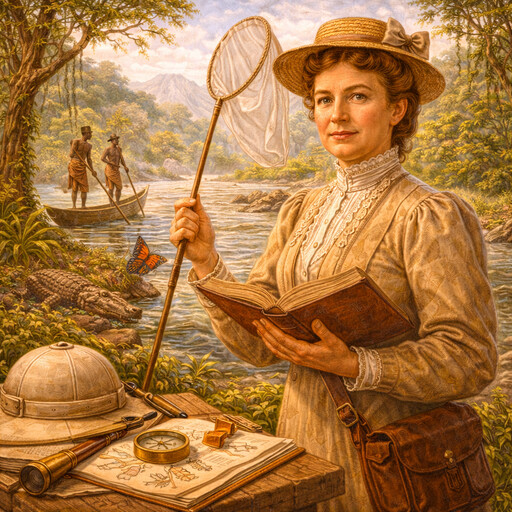
Mary Kingsley
British traveler and writer in West Africa
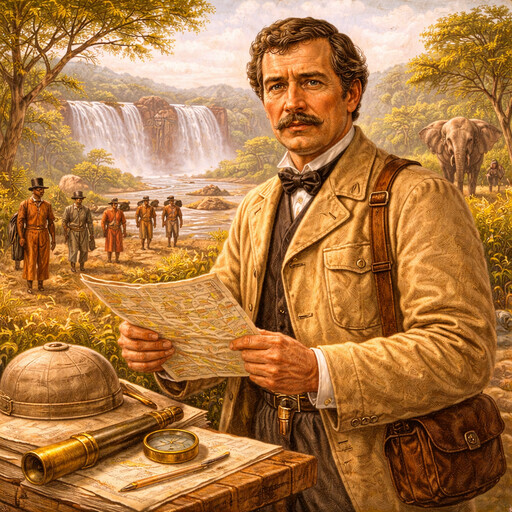
David Livingstone
Scottish explorer of Africa
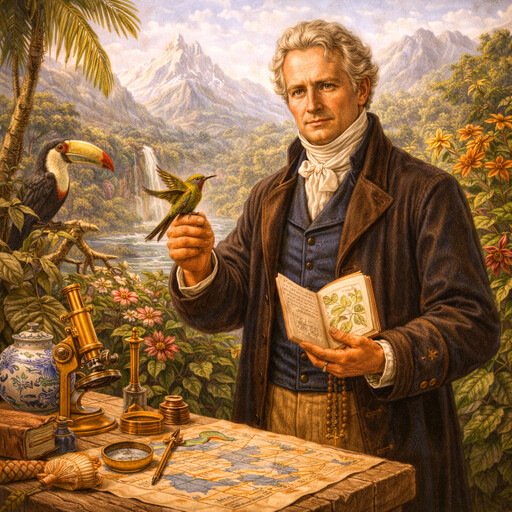
Alexander von Humboldt
Explorer of nature and the natural world

Louisiana Purchase
A land deal that doubled the United States

Lewis and Clark Expedition
Exploring the land west of the Mississippi
Northwest Passage
A sea route through Arctic waters
Pytheas
Greek explorer of the far north

Ptolemy
Ancient scholar of astronomy and geography
Serbia
A country in Southeast Europe
Balkans
Southeastern European region

Saint Petersburg
Historic city in northwest Russia