Serbia is a country in Southeast Europe. It is located in a region called the Balkans, which is a group of countries in the southeastern part of Europe. Serbia does not have a coastline. It is surrounded by several countries, including Hungary, Romania, Bulgaria, North Macedonia, Croatia, Bosnia and Herzegovina, and Montenegro. The capital and largest city is Belgrade. Belgrade lies where two rivers, the Danube and the Sava, meet.
The land of Serbia includes plains, hills, and mountains. The northern part of the country is mostly flat and is part of the Pannonian Plain. The southern and central parts are more mountainous. Several important rivers flow through Serbia. The Danube is the longest river in the country and one of the major rivers in Europe. Rivers have helped people travel, trade, and settle in the area for thousands of years.
People have lived in the area of modern Serbia since ancient times. In ancient history, the region was controlled by the Roman Empire. After the Roman period, Slavic peoples settled in the area during the early Middle Ages. Over time, Serbian states and kingdoms formed. One important medieval state was the Serbian Kingdom, which later became the Serbian Empire in the 14th century. After this period, much of the region came under the control of the Ottoman Empire.
Ottoman rule lasted for several centuries. During this time, Serbian culture and language continued, but political power was limited. In the 19th century, Serbia gained more independence through uprisings and wars. In 1878, Serbia was officially recognized as an independent country. In 1918, after World War I, Serbia became part of a new country called the Kingdom of Yugoslavia. Yugoslavia included several South Slavic peoples.
During the 20th century, Serbia experienced major changes. Yugoslavia was reshaped after World War II into a socialist state. Serbia was one of its republics. In the 1990s, Yugoslavia began to break apart. This period included wars and political change in the Balkans. After Montenegro became independent in 2006, Serbia became a separate country again.
Today, Serbia is a republic. A republic is a country where leaders are chosen by the people. The official language is Serbian, which is written using both the Cyrillic and Latin alphabets. Most people follow Eastern Orthodox Christianity, though other religions are also present. Serbia continues to develop its economy, cities, and international relationships.
Serbia
Level
readlittle.com
A country in Southeast Europe
What We Can Learn
- Serbia is a landlocked country in Southeast Europe.
- Belgrade is the capital city.
- The country has a long history under different empires.
- Serbia became an independent state again in 2006.
Related Reads
No image
Vienna
Capital city on the Danube River

Revolutions of 1848
Uprisings across Europe in 1848

Vilnius
Historic capital city of Lithuania

Molotov–Ribbentrop Pact
Non-aggression agreement before World War II

Polish–Soviet War
War over borders after World War I

Munich Agreement
1938 agreement over Czechoslovak territory
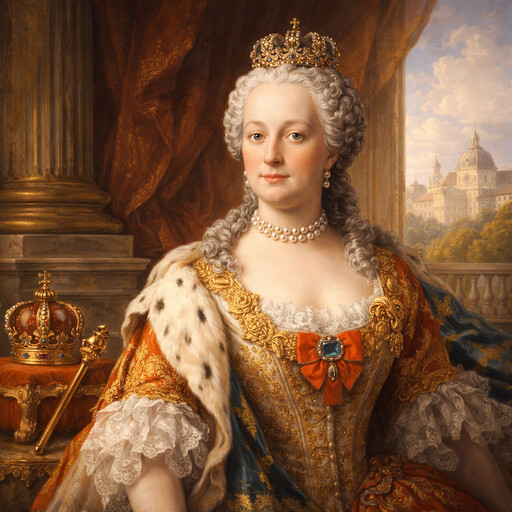
Maria Theresa
Powerful ruler of the Habsburg lands
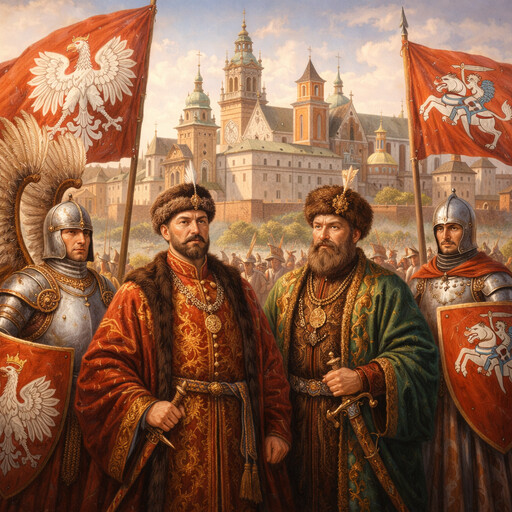
Polish–Lithuanian Commonwealth
A large early modern European state
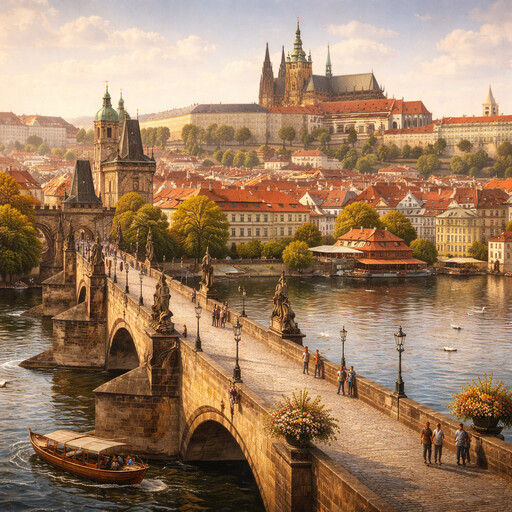
Prague
Historic capital city of the Czech Republic
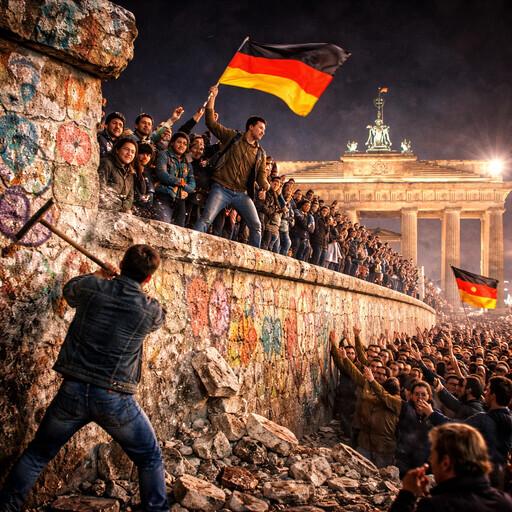
Fall of the Berlin Wall
End of Germany’s divided barrier
Peace of Westphalia
Treaties ending major European wars
Johannes Gutenberg
Inventor of movable-type printing in Europe