Nikita Khrushchev was a major political leader of the Soviet Union during the Cold War. He was born in 1894 in a village in the Russian Empire. He grew up in a poor family and worked in factories when he was young. Over time, he became involved in politics. Khrushchev later became one of the most powerful leaders in the Soviet Union.
Khrushchev rose to power after the death of Joseph Stalin in 1953. Stalin had ruled the Soviet Union for many years. After Stalin’s death, several leaders competed for control. By 1955, Khrushchev became the top leader. His main title was First Secretary of the Communist Party. The Communist Party was the ruling political organization of the Soviet Union.
One of Khrushchev’s early actions was to criticize Stalin’s rule. In 1956, he gave a speech that described Stalin’s use of fear and punishment. This period is often called de-Stalinization. De-Stalinization means reducing the influence of Stalin’s ideas and actions. Some political prisoners were released, and strict controls were reduced. However, the Soviet Union remained a one-party state.
Khrushchev played an important role in Cold War events. The Cold War was a long period of tension between the Soviet Union and Western countries, especially the United States. One major event was the Cuban Missile Crisis in 1962. The Soviet Union placed nuclear missiles in Cuba. Nuclear weapons are very powerful bombs. The United States saw this as a serious threat. After tense negotiations, the missiles were removed.
During Khrushchev’s leadership, the Soviet Union also focused on science and space. In 1957, the Soviet Union launched Sputnik 1. It was the first artificial satellite to orbit Earth. A satellite is an object sent into space to circle a planet. This event marked the beginning of the Space Race. The Space Race was competition between countries to explore space.
Khrushchev lost power in 1964. Other leaders felt his policies were unpredictable. He was removed from office by fellow party members. After leaving power, he lived quietly until his death in 1971. Nikita Khrushchev remains a key figure in twentieth-century history because of his leadership during major Cold War events.
Nikita Khrushchev
Level
readlittle.com
Soviet leader during the Cold War
What We Can Learn
- Khrushchev led the Soviet Union after Stalin
- He criticized Stalin’s rule
- He was involved in the Cuban Missile Crisis
- He led during early space exploration
Related Reads
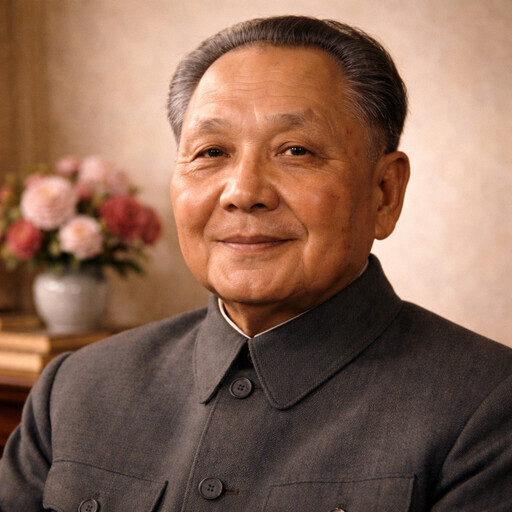
Deng Xiaoping
Chinese leader of reform era
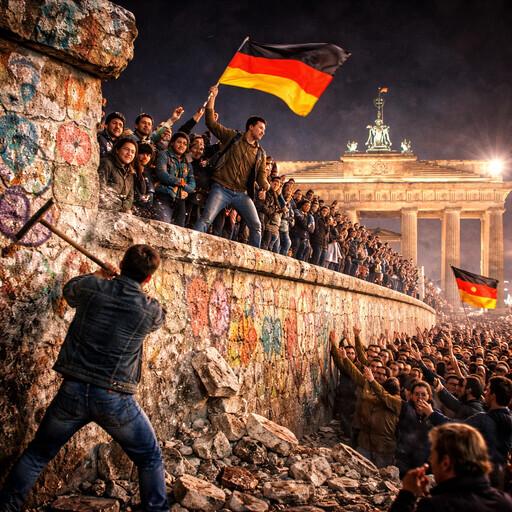
Fall of the Berlin Wall
End of Germany’s divided barrier
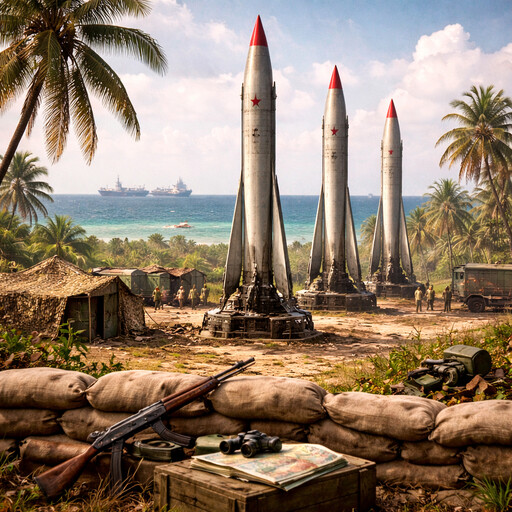
Cuban Missile Crisis
Cold War nuclear standoff in 1962
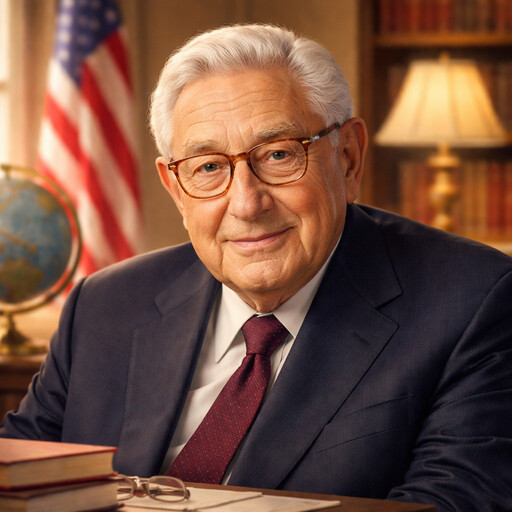
Henry Kissinger
American diplomat and foreign policy leader
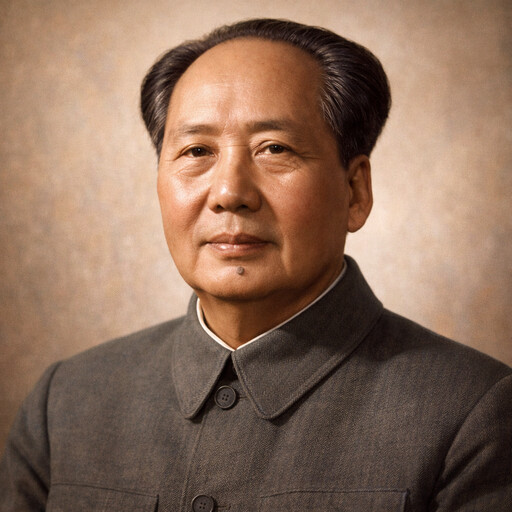
Mao Zedong
Leader of modern Communist China
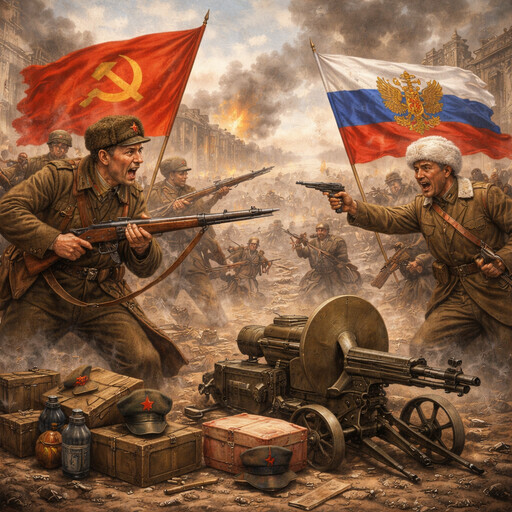
Russian Civil War
Conflict after the Russian Revolution
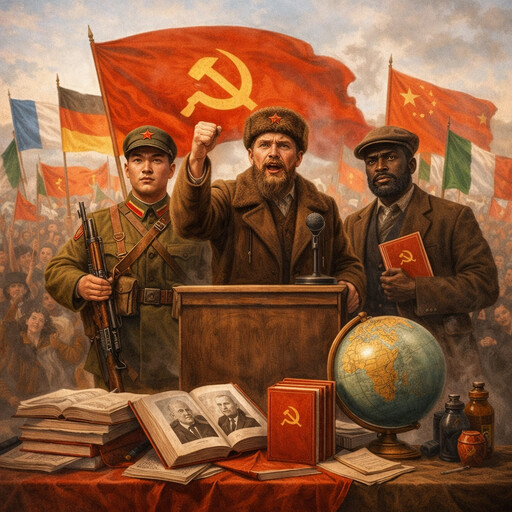
Communist International
Global organization of communist parties
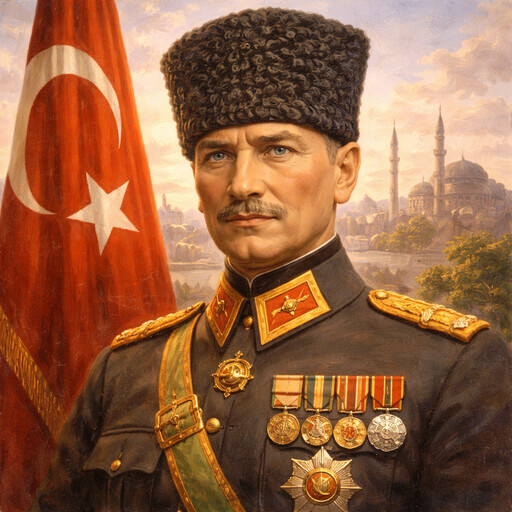
Mustafa Kemal Atatürk
Founder of modern Turkey
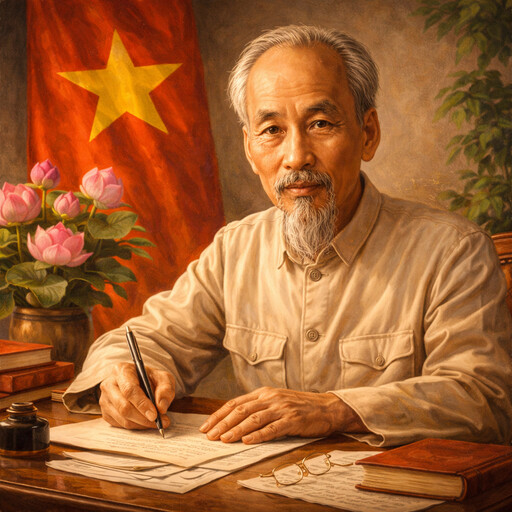
Ho Chi Minh
Leader of Vietnamese independence movement
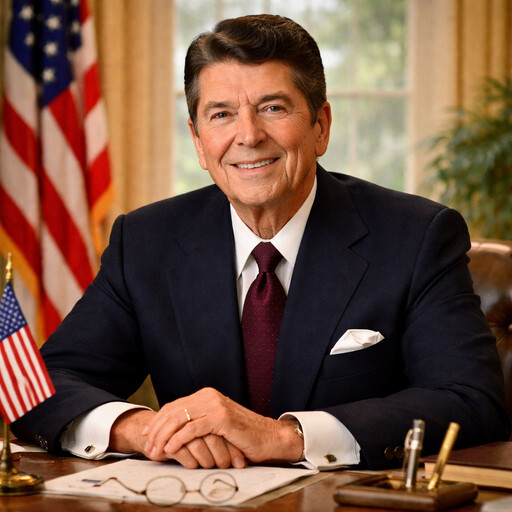
Ronald Reagan
40th president of the United States
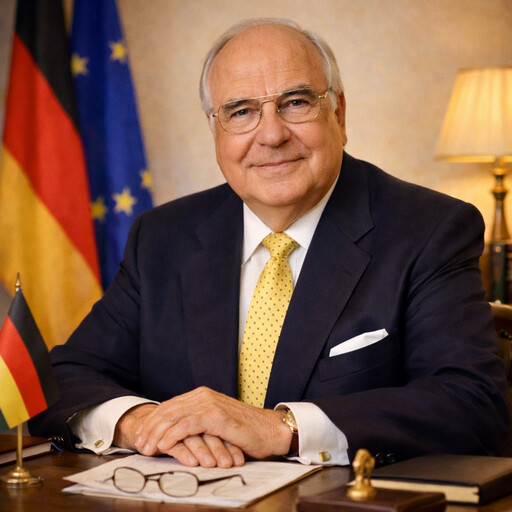
Helmut Kohl
German chancellor during reunification
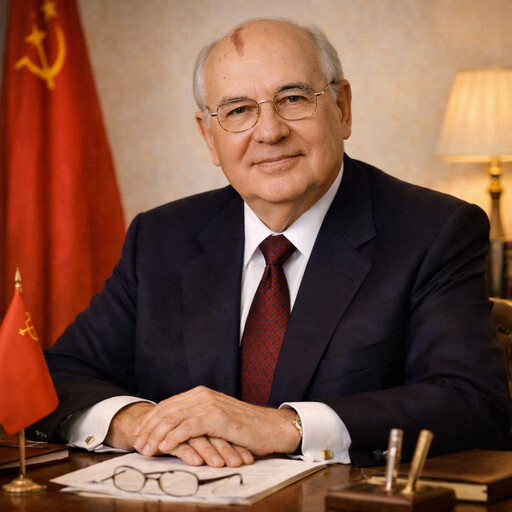
Mikhail Gorbachev
Last leader of the Soviet Union