Friedrich Engels was a German philosopher, writer, and social thinker who lived in the 19th century. He is best known for his close partnership with Karl Marx. Together, they wrote important works about society, economics, and history. Engels lived during the time of the Industrial Revolution, when factories and machines changed how people worked and lived. His writings described the conditions of workers and the structure of modern industrial society.
Friedrich Engels was born on 28 November 1820 in Barmen, a town in what is now western Germany. His family owned textile factories. Textiles are materials such as cloth made from fibers. Because of his family background, Engels saw factory life closely from a young age. He was educated at home and later worked in his father’s business. As a young man, he traveled to England, where industry was highly developed. There, he observed crowded cities, factories, and working-class neighborhoods.
While living in Manchester, England, Engels studied the lives of factory workers. He wrote a book called The Condition of the Working Class in England. In this book, he described housing, health, and working hours in industrial cities. He used reports, personal observations, and interviews. The book showed how rapid industrial growth affected daily life. Engels believed that economic systems shaped society and social relations.
Engels met Karl Marx in the early 1840s. Marx was a German philosopher and economist. The two men became close collaborators and friends. They shared ideas and often worked together. In 1848, they published The Communist Manifesto. A manifesto is a public statement of ideas and goals. The book described their views on history, class, and economic systems. It argued that society was shaped by conflict between social classes, such as workers and owners.
Throughout his life, Engels supported Marx both intellectually and financially. Financially means providing money or resources. Engels worked in business for many years and used his income to help Marx continue his research and writing. After Marx died in 1883, Engels edited and published later volumes of Marx’s major work, Das Kapital. This book analyzed how capitalism works. Capitalism is an economic system where businesses are owned by private individuals.
Friedrich Engels spent his later years in London. He continued to write letters, essays, and books. He remained involved in political discussions across Europe. Engels died on 5 August 1895 at the age of 74. His work influenced later political movements and thinkers. He is remembered mainly for his writings, his partnership with Karl Marx, and his role in developing ideas about industrial society and economics.
Friedrich Engels
Level
readlittle.com
German philosopher and social thinker
What We Can Learn
- Friedrich Engels was a German philosopher and writer.
- He worked closely with Karl Marx.
- He wrote about industrial society and workers.
- He lived during the Industrial Revolution.
Related Reads

Fall of the Berlin Wall
End of Germany’s divided barrier
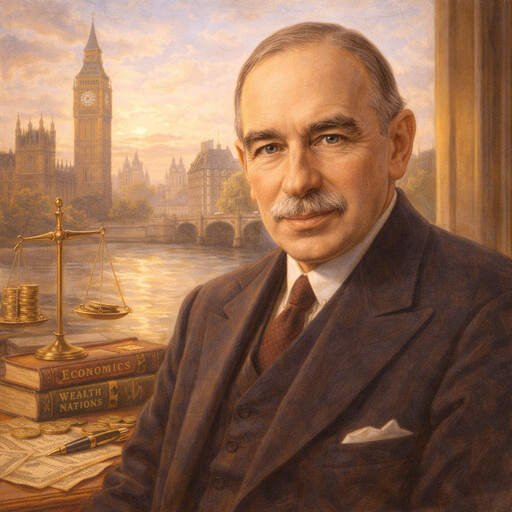
John Maynard Keynes
British economist of the 20th century
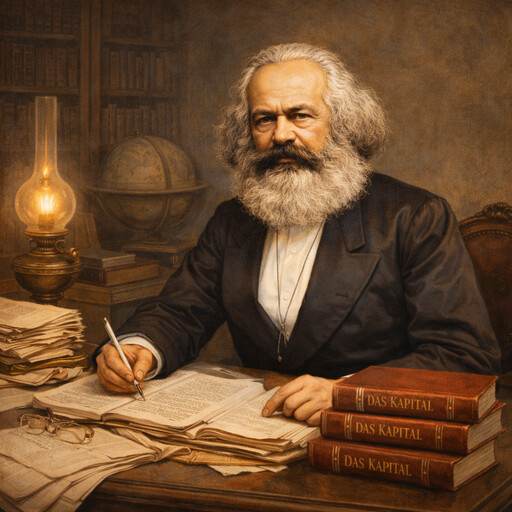
Das Kapital
Study of economy and capitalism
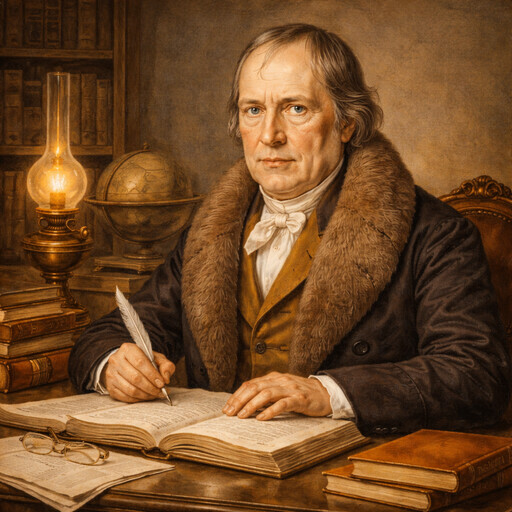
Georg Wilhelm Friedrich Hegel
German philosopher of history and ideas
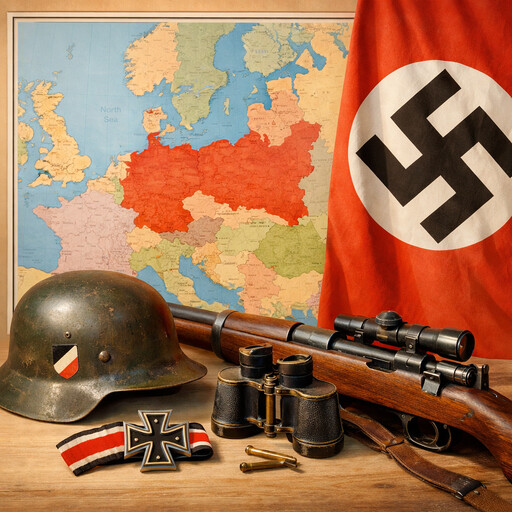
Nazi Germany
Germany under Nazi rule
Adolf Hitler
Leader of Nazi Germany
Weimar Republic
Germany’s republic after World War I
German Empire
Unified German state from 1871
Wilhelm I
First emperor of unified Germany
Paul von Hindenburg
German general and president
Erich Ludendorff
German general in World War I
Prussia
Historic European state and kingdom