Paul von Hindenburg was a German military officer and statesman. He was born on 2 October 1847 in Posen, a city that was then part of the Kingdom of Prussia. He came from a noble family with a long tradition of military service. Hindenburg is best known for his role in World War I and later as President of Germany from 1925 until his death in 1934.
Hindenburg joined the Prussian army as a young man. He served in several wars during the 19th century, including the Austro-Prussian War and the Franco-Prussian War. After many years of service, he retired from the army. At the start of World War I in 1914, he was called back into duty. This war was a large international conflict involving many European powers.
During World War I, Hindenburg became famous as a general. Along with his chief of staff, Erich Ludendorff, he led German forces on the Eastern Front. One of his earliest successes was the Battle of Tannenberg in 1914, where German forces defeated a Russian army. Because of these victories, Hindenburg became a national figure in Germany. In 1916, he was appointed head of the German army.
As head of the army, Hindenburg had great influence over Germany’s war effort. Civilian leaders often followed military advice during this period. Despite early successes, Germany was unable to win the war. In 1918, Germany accepted defeat, and the war ended. Soon after, the German Empire collapsed, and the emperor Wilhelm II left the country.
After the war, Germany became a republic called the Weimar Republic. A republic is a state without a monarch. In 1925, Paul von Hindenburg was elected President of Germany. The president was the head of state, meaning the highest official in the country. Hindenburg was an older figure and represented continuity with Germany’s past.
Hindenburg served as president during a difficult time marked by economic problems and political division. In 1933, he appointed Adolf Hitler as chancellor, the head of government. Hindenburg remained president until his death on 2 August 1934. After his death, the position of president was combined with that of chancellor, ending the Weimar Republic period.
Paul von Hindenburg
Level
readlittle.com
German general and president
What We Can Learn
- Paul von Hindenburg was born in 1847 in Prussia
- He was a leading German general in World War I
- He served as President of Germany from 1925 to 1934
- His presidency occurred during the Weimar Republic
Related Reads

Fall of the Berlin Wall
End of Germany’s divided barrier
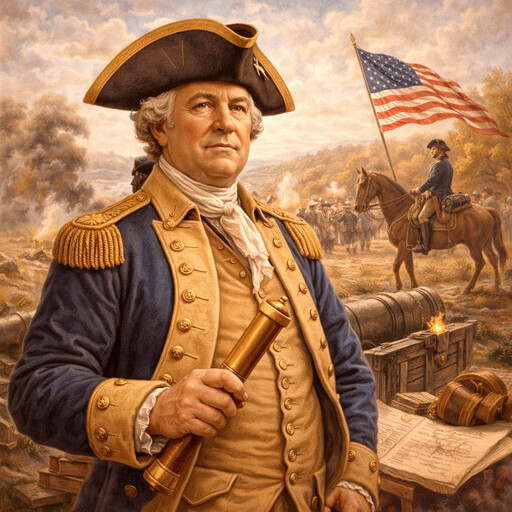
Horatio Gates
American Revolutionary War general
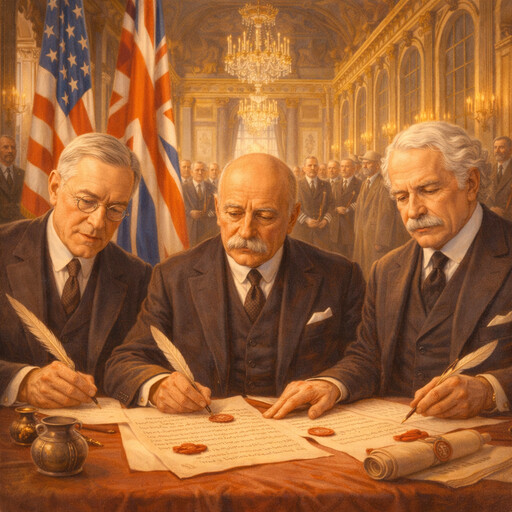
Treaty of Versailles
Peace agreement ending World War I
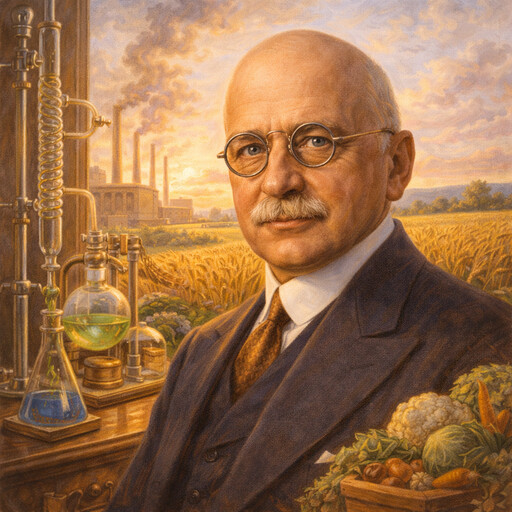
Fritz Haber
German chemist of the early 1900s
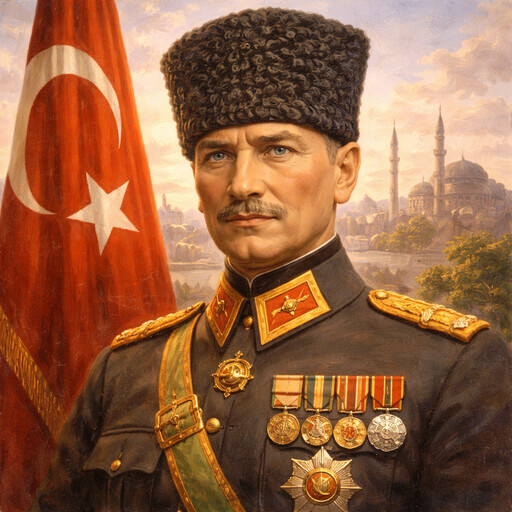
Mustafa Kemal Atatürk
Founder of modern Turkey
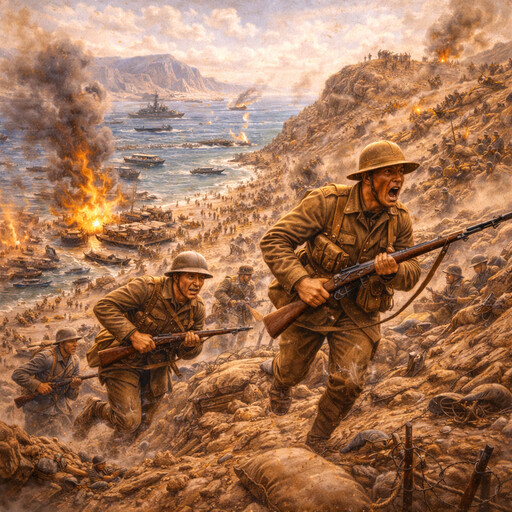
Gallipoli campaign
World War I campaign in Turkey

David Lloyd George
British prime minister during World War I

Zeppelin
Large rigid airship for flight
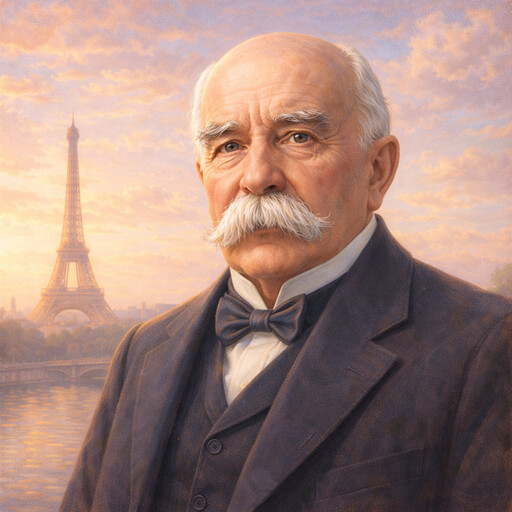
Georges Clemenceau
French leader during World War I
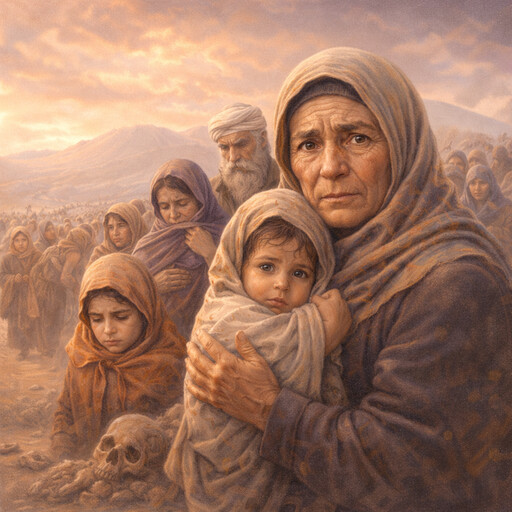
Armenian genocide
Mass killing of Armenians during World War I
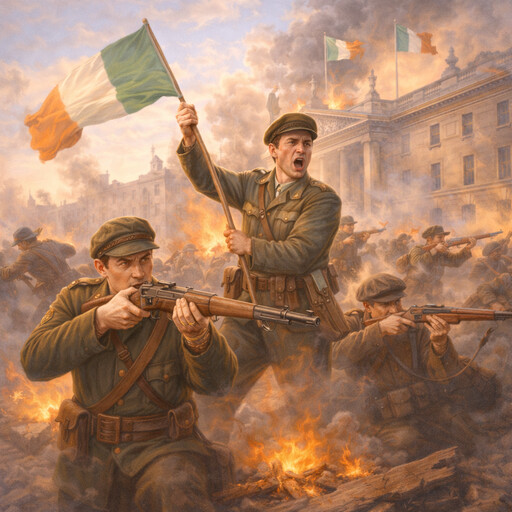
Easter Rising
Irish uprising in Dublin, 1916
July Crisis
Diplomatic crisis before World War I