The Fall of the Berlin Wall was a major historical event that took place on November 9, 1989. It marked the opening and later removal of the Berlin Wall, a barrier that had divided the city of Berlin for 28 years. The wall separated East Berlin and West Berlin, which belonged to two different political systems. Its fall became a symbol of the end of division in Germany and signaled wider changes across Europe.
The Berlin Wall was built in 1961 by the government of East Germany, officially called the German Democratic Republic. East Germany was a socialist state supported by the Soviet Union. West Berlin was linked to West Germany, also known as the Federal Republic of Germany, which followed a democratic system. The wall was built to stop people from leaving East Germany for the West. Many people had moved west to find better living conditions, and the East German government wanted to prevent this.
The wall was made of concrete and barbed wire, with guard towers and soldiers. Crossing the wall without permission was illegal. Families and friends were separated, sometimes living only a short distance apart but unable to meet. Over the years, the wall became one of the most visible symbols of the Cold War. The Cold War was a long period of tension between countries with different political systems, mainly the United States and the Soviet Union, without direct fighting between them.
In the late 1980s, political changes began to take place in Eastern Europe. The Soviet Union, under leader Mikhail Gorbachev, reduced its control over other socialist countries. In East Germany, many people began to protest peacefully. They demanded freedom to travel, free elections, and reforms. Large public demonstrations took place in cities such as Leipzig and East Berlin. These protests increased pressure on the East German government.
On November 9, 1989, an East German official named Günter Schabowski announced at a press conference that travel restrictions would be relaxed. Due to unclear instructions, he stated that the changes would take effect immediately. News spread quickly. Thousands of people gathered at border crossings along the Berlin Wall. Border guards, unsure how to respond and lacking clear orders, eventually opened the gates. People from East and West Berlin crossed freely for the first time in decades.
After the crossings opened, people climbed onto the wall, celebrated together, and began to break pieces from it. Over the following months, the wall was gradually removed. In 1990, East and West Germany officially reunified into a single country. The fall of the Berlin Wall is remembered as a peaceful turning point in European history and as a sign of the end of the Cold War division in Europe.
Fall of the Berlin Wall
Level
readlittle.com
End of Germany’s divided barrier
What We Can Learn
- The Berlin Wall divided East and West Berlin
- It was built in 1961 and fell in 1989
- Peaceful protests helped bring change
- The fall led to German reunification
Related Reads
No image
Vienna
Capital city on the Danube River

Munich Agreement
1938 agreement over Czechoslovak territory

Vilnius
Historic capital city of Lithuania
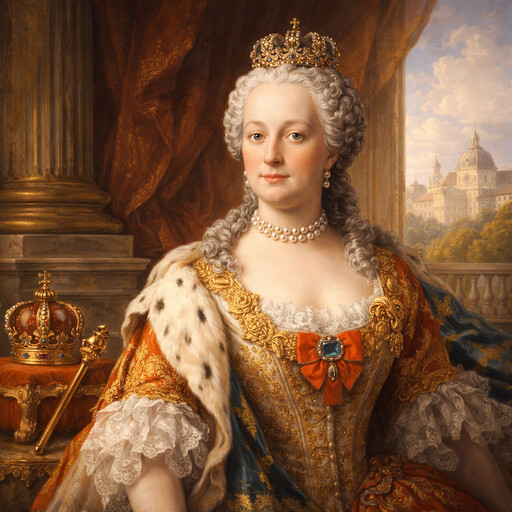
Maria Theresa
Powerful ruler of the Habsburg lands

Polish–Soviet War
War over borders after World War I

Revolutions of 1848
Uprisings across Europe in 1848

Molotov–Ribbentrop Pact
Non-aggression agreement before World War II
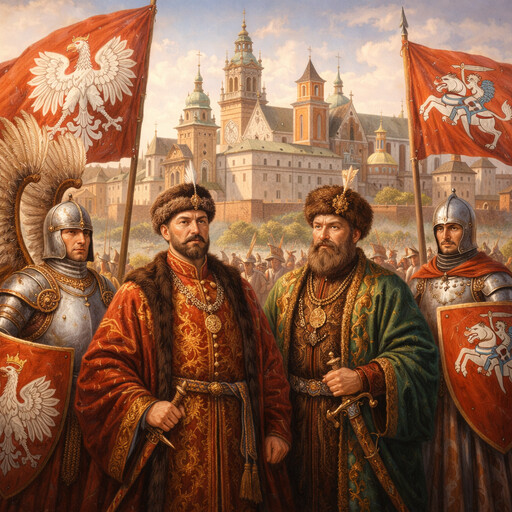
Polish–Lithuanian Commonwealth
A large early modern European state
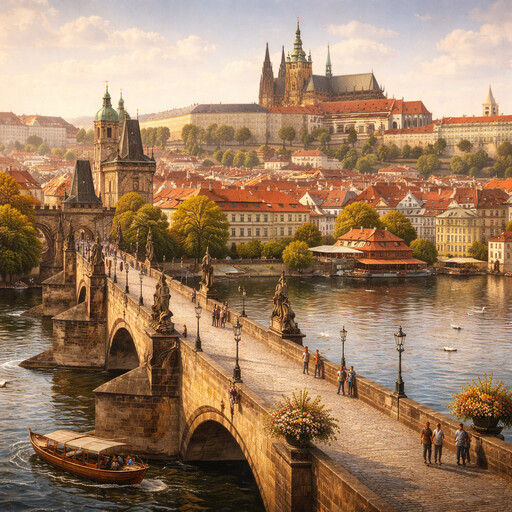
Prague
Historic capital city of the Czech Republic
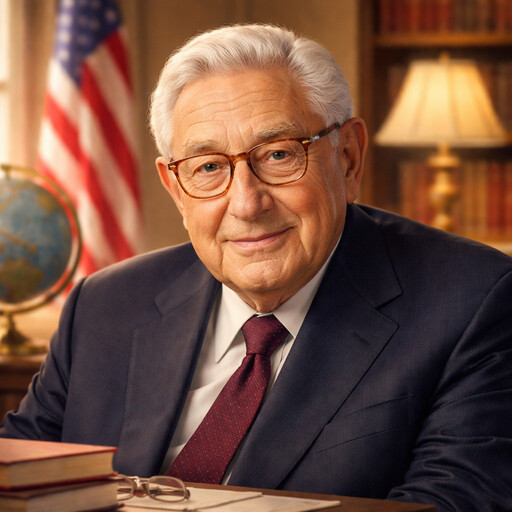
Henry Kissinger
American diplomat and foreign policy leader
Cuban Missile Crisis
Cold War nuclear standoff in 1962
Peace of Westphalia
Treaties ending major European wars