Queen Anne was queen of England, Scotland, and Ireland from 1702 until her death in 1714. She was the last monarch of the House of Stuart. Anne became queen after the death of her brother-in-law, William III. During her reign, major political and national changes took place in Britain.
Anne was born in 1665. She was the daughter of James II. James II was removed from the throne during the Glorious Revolution. Anne was raised as a Protestant, which was important in a time of religious tension. When she became queen, Parliament played a strong role in government. Parliament is the law-making body of Britain.
One of the most important events of Anne’s reign was the Act of Union in 1707. This law joined the kingdoms of England and Scotland into a single state called Great Britain. After the union, there was one Parliament for both countries. Queen Anne became the first monarch to rule the new Kingdom of Great Britain.
During Anne’s reign, Britain was involved in the War of the Spanish Succession. This was a large European war about who should rule Spain. British forces fought alongside allies against France and Spain. A well-known commander during this war was John Churchill, Duke of Marlborough. The war ended with treaties that increased Britain’s influence overseas.
Queen Anne often relied on advisers and ministers. Two main political groups were active at this time. They were called the Whigs and the Tories. These groups had different ideas about power, religion, and foreign policy. The balance between the monarch and Parliament continued to shift during Anne’s reign.
Anne had many pregnancies, but none of her children lived to adulthood. Because she had no surviving heirs, the crown passed to George I, from the House of Hanover, after her death in 1714. This change followed the Act of Settlement, which ensured that the monarch would be Protestant. Queen Anne was buried in Westminster Abbey in London.
Anne of Great Britain
Level
readlittle.com
Queen during the union of Britain
What We Can Learn
- Queen Anne ruled from 1702 to 1714
- England and Scotland united in 1707
- She was the last Stuart monarch
- Parliament gained strong influence
Related Reads

Peter the Great
Russian ruler who reshaped his country
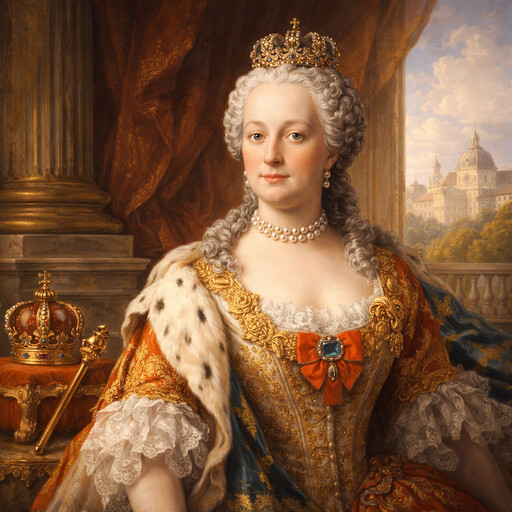
Maria Theresa
Powerful ruler of the Habsburg lands

Ivan III
Founder of a unified Russian state
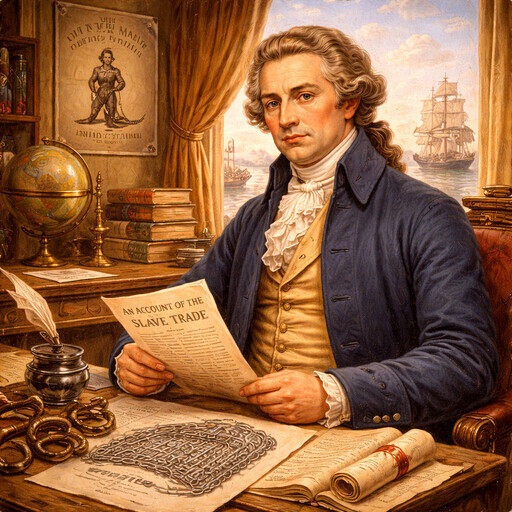
Thomas Clarkson
English campaigner against the slave trade
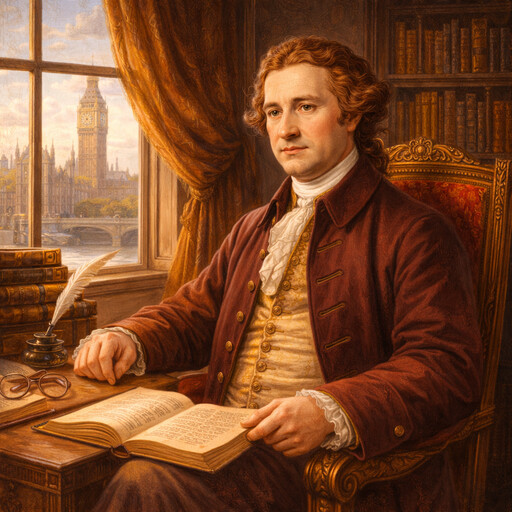
Edmund Burke
British statesman and political writer
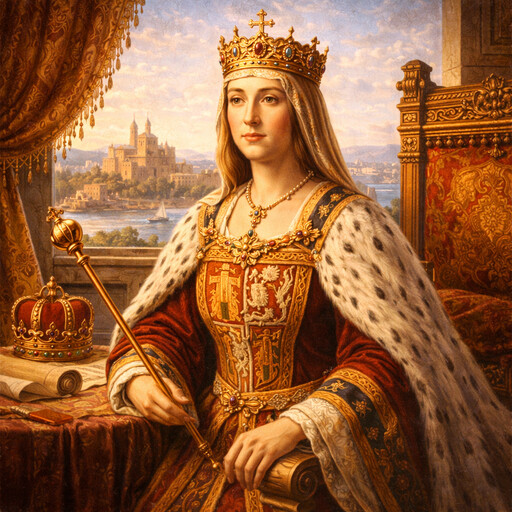
Isabella I
Queen of Castile and Spain’s unification
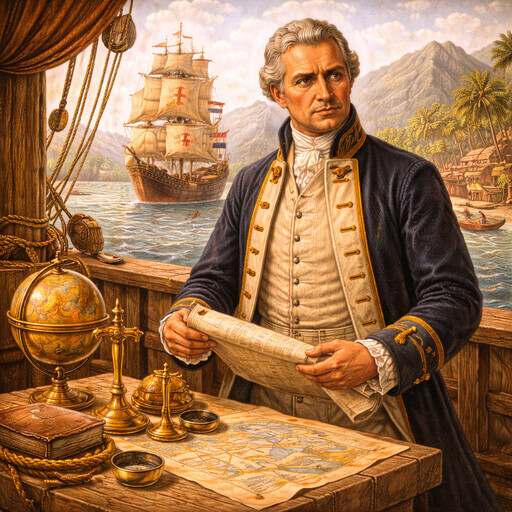
James Cook
British explorer of the Pacific Ocean
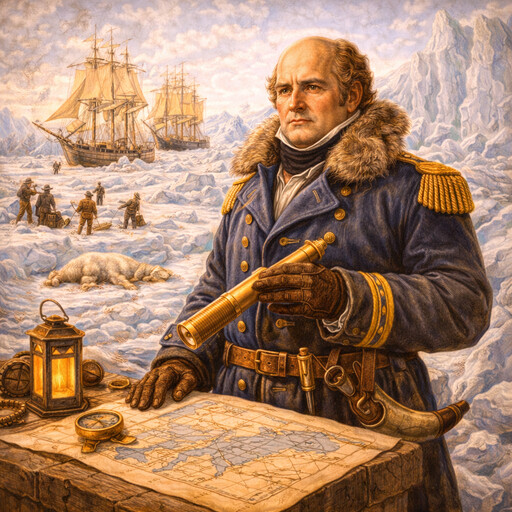
John Franklin
British explorer of the Arctic
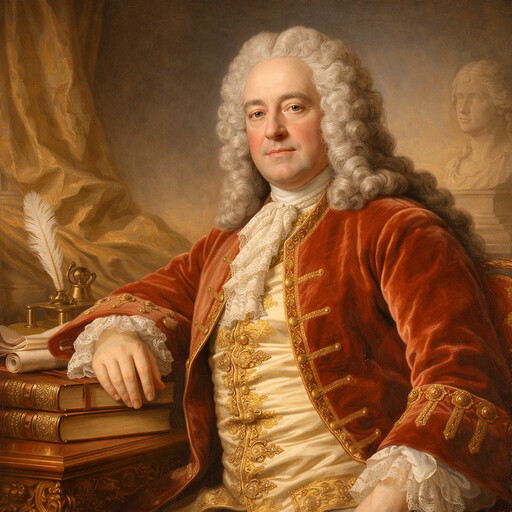
Robert Walpole
Early leader of Britain’s government

David Lloyd George
British prime minister during World War I
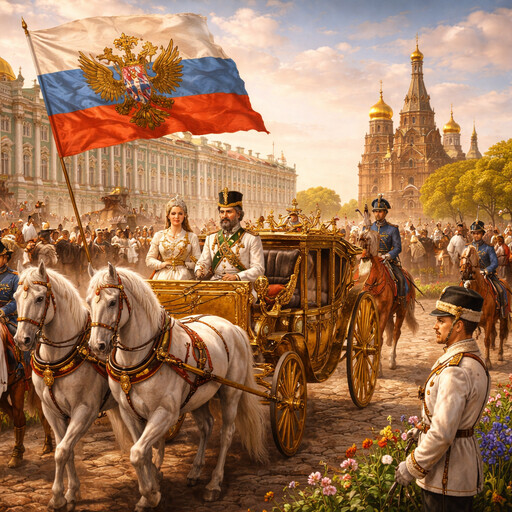
Russian Empire
Large empire ruled by Russian monarchs
Hirohito
Emperor of Japan during World War II