George II was king of Great Britain and Ireland from 1727 until his death in 1760. He was born in 1683 in Hanover, a German state in Europe. His birth name was George Augustus. At that time, Hanover was ruled by his family. George became king after the death of his father, George I''. His reign lasted for more than thirty years and covered much of the middle of the 1700s.
George II ruled over Great Britain, which included England and Scotland, and over Ireland. He was also ruler of Hanover. Like his father, George II spent time in both Britain and Germany. He spoke German as his first language, but he learned English and used it more than George I had. Even so, he relied on advisers to manage daily government work.
During George II’s reign, Parliament became even more important. Parliament is the group of elected representatives who make laws and approve taxes. The king still had power, but ministers chosen from Parliament guided most decisions. One important minister was Robert Walpole'', who continued to lead the government for many years. This period helped shape the system in which the monarch rules together with Parliament.
George II’s reign included several major wars. One was the War of the Austrian Succession, which involved many European countries. George II is known as the last British monarch to personally lead troops into battle. In 1743, he led an army at the Battle of Dettingen. A battle is a large fight between armies. This event took place in Germany during the war.
Another important event during his reign was the Jacobite rising of 1745''. The Jacobites supported the Stuart family, who had ruled before the Hanoverians. They wanted to place Charles Edward Stuart, also called Bonnie Prince Charlie, on the throne. The rebellion ended in 1746 at the Battle of Culloden''. The government forces won, and the Jacobite cause ended as a serious threat.
George II died in 1760 and was buried in Westminster Abbey in London. He was succeeded by his grandson, George III. George II is remembered as a king during a time of growing parliamentary power and major events in Britain and Europe. His long reign covered changes in government, war, and royal authority.
George II
Level
readlittle.com
Second king of the House of Hanover
What We Can Learn
- George II ruled from 1727 to 1760
- He was the second king from the House of Hanover
- Parliament gained more power during his reign
- He was the last British king to lead troops in battle
Related Reads
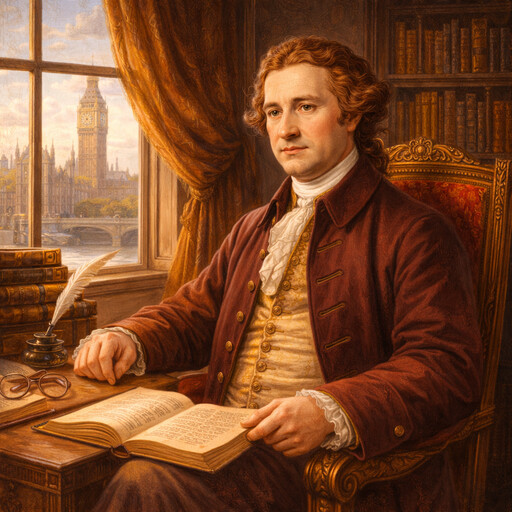
Edmund Burke
British statesman and political writer
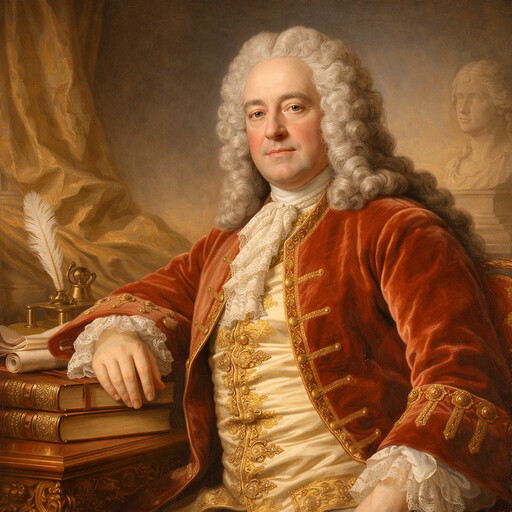
Robert Walpole
Early leader of Britain’s government

David Lloyd George
British prime minister during World War I
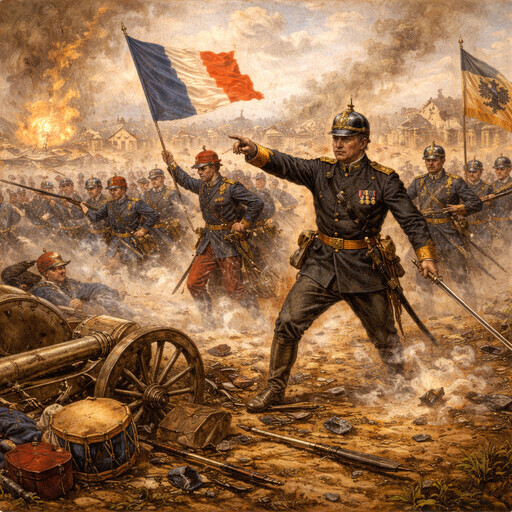
Franco-Prussian War
Conflict between France and Prussia
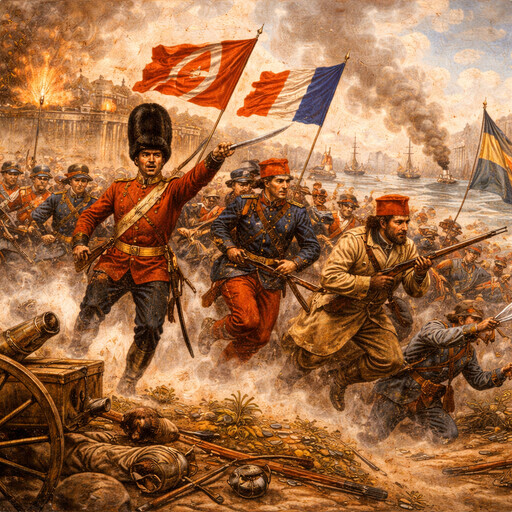
Crimean War
Conflict over power near the Black Sea
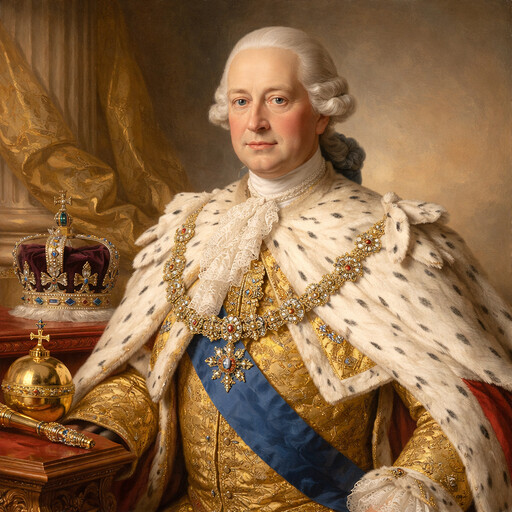
George III
Long-reigning British king of the eighteenth century
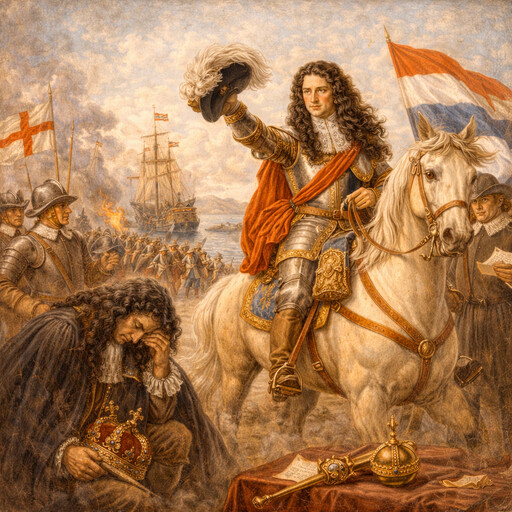
Glorious Revolution
Peaceful change of English monarchy
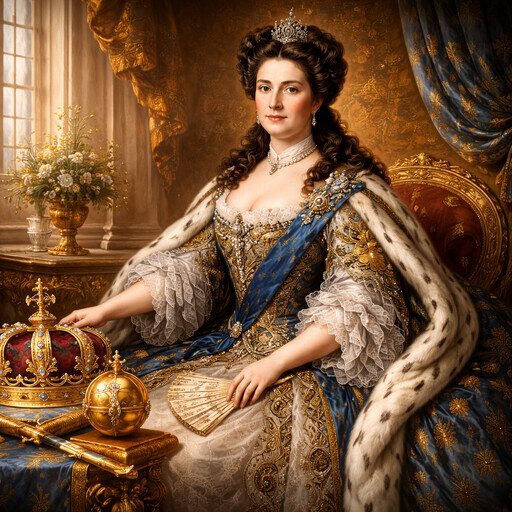
Anne of Great Britain
Queen during the union of Britain
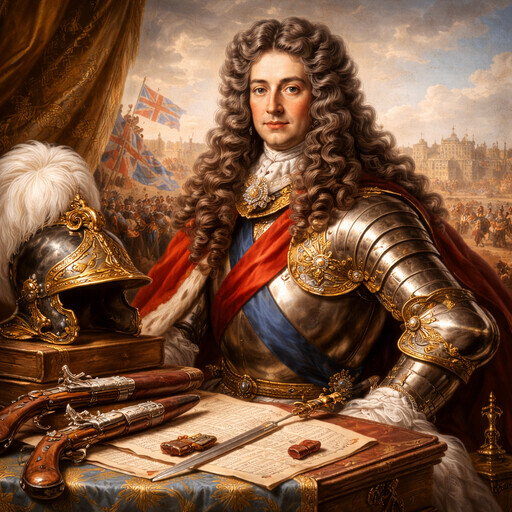
John Churchill
British general and duke
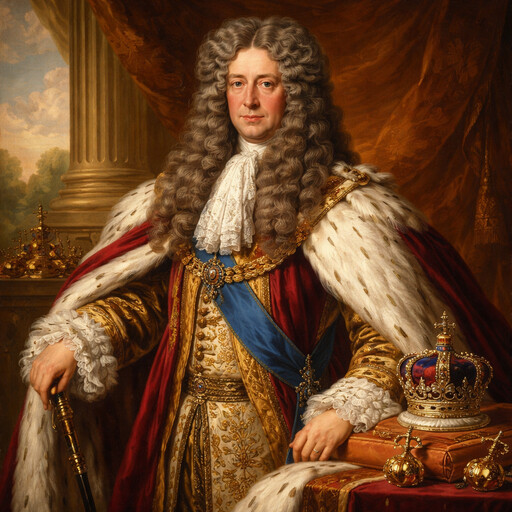
George I
First king of the House of Hanover

Charles I of England
King during civil war and execution
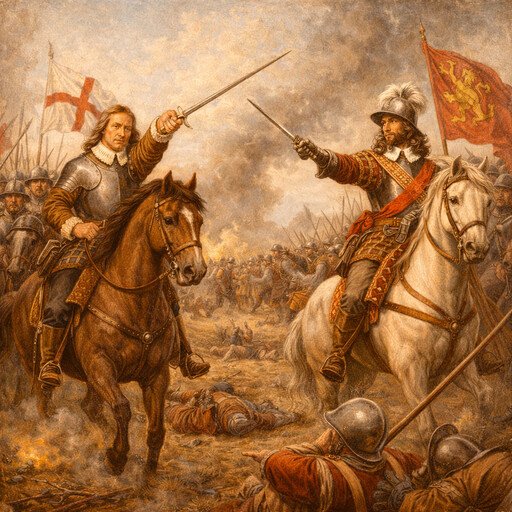
English Civil War
Conflict between king and Parliament