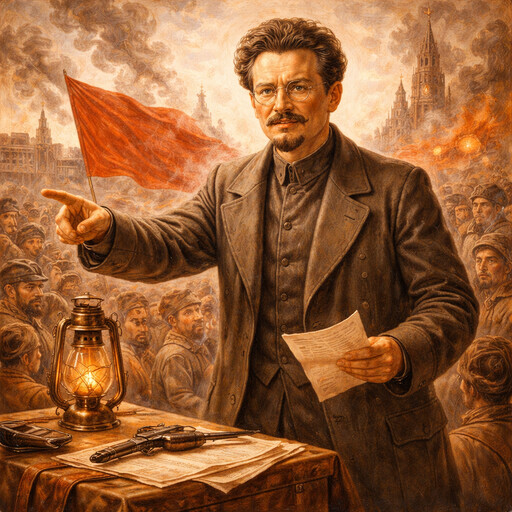
The October Revolution was a major political event that took place in Russia in November 1917. It led to the transfer of power from the provisional government to the Bolsheviks, a revolutionary political group. The revolution occurred in the city of Petrograd, which is now called Saint Petersburg. It was a key moment in the wider Russian Revolution that began earlier in the same year.
Before the October Revolution, Russia was ruled by a provisional government. This government had replaced the monarchy after Nicholas II gave up the throne in February 1917. The provisional government promised reforms but continued Russia’s involvement in World War I. Many people faced food shortages, rising prices, and poor working conditions. These problems increased public anger and unrest.
The Bolsheviks were led by Vladimir Lenin. They believed that power should belong to workers and soldiers. The Bolsheviks gained support through councils called soviets. A soviet was a local council made up of workers, soldiers, or peasants. By the autumn of 1917, the Bolsheviks had strong influence in key soviets, including the Petrograd Soviet.
On the night of 6–7 November 1917, Bolshevik forces moved to take control of important locations in Petrograd. They occupied bridges, railway stations, and government buildings. The Winter Palace, where the provisional government was based, was taken with little fighting. Members of the provisional government were arrested. This action marked the success of the October Revolution.
After taking power, the Bolsheviks formed a new government called the Council of People’s Commissars. Lenin became its head. The new government issued decrees, which are official orders, on peace and land. Russia soon withdrew from World War I. These changes led to strong opposition from other groups, including former supporters of the monarchy and rival political movements.
The October Revolution led to a long and violent conflict known as the Russian Civil War, which lasted from 1918 to 1921. The Bolsheviks eventually won this war. In 1922, a new country called the Soviet Union was formed. The October Revolution is remembered as the event that ended provisional rule and began a new political system in Russia.
October Revolution
Level
readlittle.com
Bolshevik takeover of power in Russia
What We Can Learn
- The October Revolution took place in November 1917
- It was led by the Bolsheviks under Vladimir Lenin
- The provisional government was removed from power
- The revolution led to the creation of the Soviet Union
Related Reads

Ivan III
Founder of a unified Russian state

Peter the Great
Russian ruler who reshaped his country

Revolutions of 1848
Uprisings across Europe in 1848
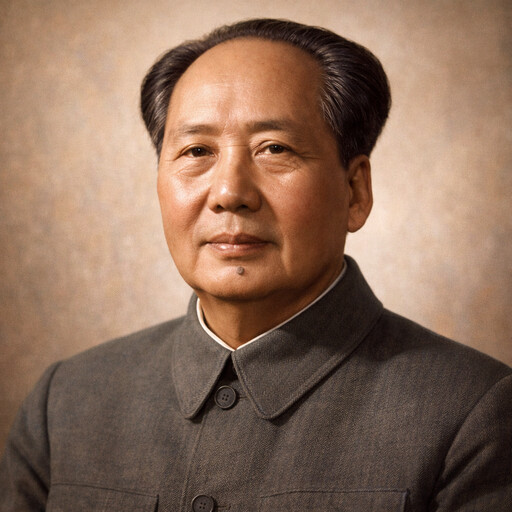
Mao Zedong
Leader of modern Communist China
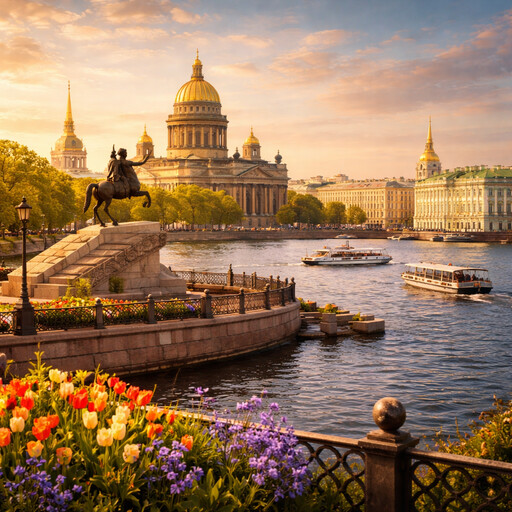
Saint Petersburg
Historic city in northwest Russia
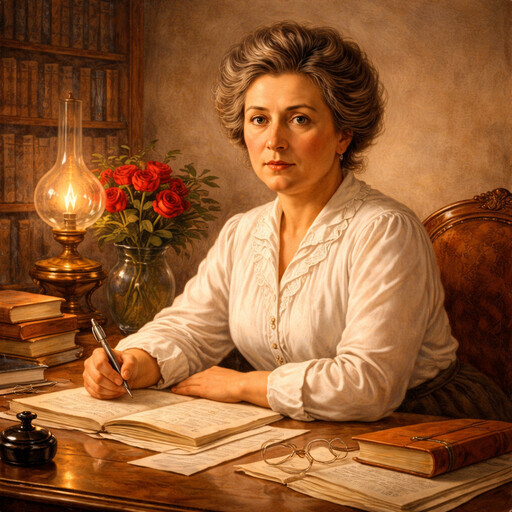
Rosa Luxemburg
Political thinker and activist in Europe
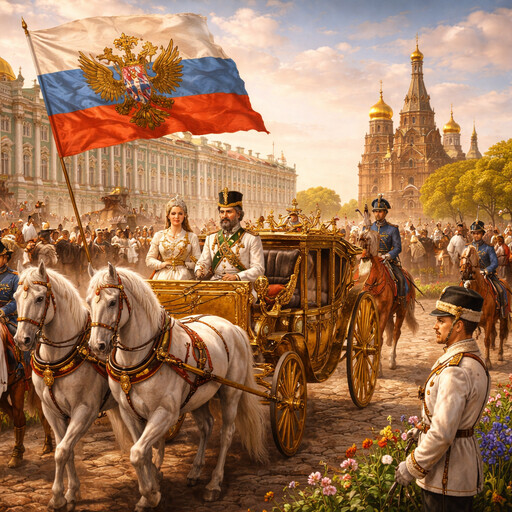
Russian Empire
Large empire ruled by Russian monarchs
Ho Chi Minh
Leader of Vietnamese independence movement
Spanish Civil War
Conflict in Spain before World War II
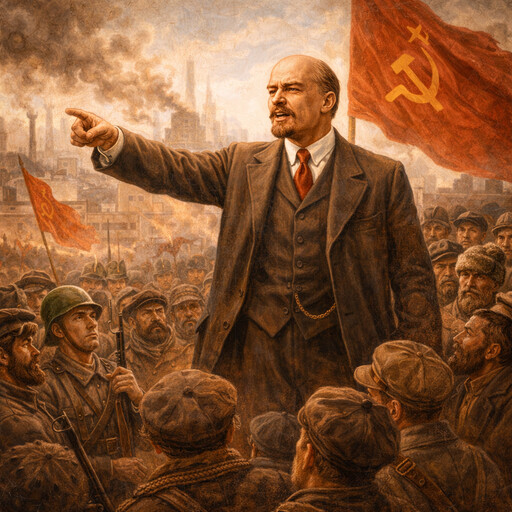
Vladimir Lenin
Leader of the Russian Revolution
Alexander III
Russian emperor after major reforms
Leon Trotsky
Revolutionary leader of early Soviet Russia