Rosa Luxemburg was a political thinker, writer, and activist who lived from 1871 to 1919. She was born in the town of Zamość, which was then part of the Russian Empire and is now in Poland. She later became active in political movements in Germany and other parts of Europe. Luxemburg is remembered for her writings, speeches, and role in socialist organizations. Socialism is a group of ideas about how society and the economy should be organized, often focusing on workers and shared ownership.
Luxemburg grew up in a Jewish family and showed strong academic ability at an early age. Because of political limits in the Russian Empire, she moved to Switzerland to study. She attended the University of Zurich, where she studied subjects such as economics and law. Economics is the study of how people produce and use goods and services. While studying, she became involved in socialist groups and began writing about political issues. Her early writings focused on workers’ movements and political rights.
In the late 1800s, Rosa Luxemburg moved to Germany, which had a large and active socialist movement. She joined the Social Democratic Party of Germany, often called the SPD. This party worked within elections and parliament, which is a law-making body. Luxemburg wrote articles and gave speeches that discussed capitalism, which is an economic system based on private ownership and markets. She often argued with other socialist leaders about political strategy and the role of workers in making change.
During World War I, Luxemburg strongly opposed the war. World War I was a large conflict that lasted from 1914 to 1918 and involved many countries. She believed the war harmed working people in many nations. Because of her opposition, she was arrested several times and spent long periods in prison. While imprisoned, she continued to write letters and political texts. These writings discussed topics such as democracy, revolution, and social change.
In 1918 and 1919, Germany experienced major political unrest following the end of World War I. Luxemburg helped form a new political group called the Spartacus League, which later became part of the Communist Party of Germany. A revolution is a sudden and major change in political power. In January 1919, an uprising took place in Berlin. Luxemburg did not control the events, but she was closely associated with the movement.
Rosa Luxemburg was arrested during the unrest in January 1919. She was killed shortly after her arrest by members of a military group. Her death marked the end of her life but not the end of her influence. Her writings continued to be read and studied in later years. Today, she is remembered as a historical figure connected to European political movements of the early 20th century.
Rosa Luxemburg
Level
readlittle.com
Political thinker and activist in Europe
What We Can Learn
- Rosa Luxemburg lived from 1871 to 1919.
- She was active in socialist movements in Europe.
- She wrote many political works and gave speeches.
- She was killed during political unrest in Germany.
Related Reads
No image
Vienna
Capital city on the Danube River

Molotov–Ribbentrop Pact
Non-aggression agreement before World War II

Revolutions of 1848
Uprisings across Europe in 1848

Polish–Soviet War
War over borders after World War I

Vilnius
Historic capital city of Lithuania
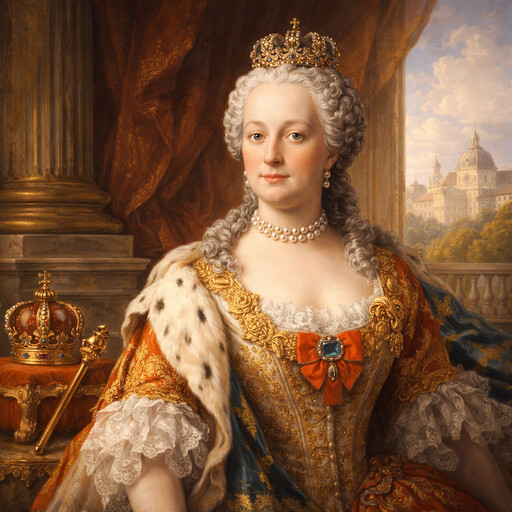
Maria Theresa
Powerful ruler of the Habsburg lands

Munich Agreement
1938 agreement over Czechoslovak territory

Fall of the Berlin Wall
End of Germany’s divided barrier
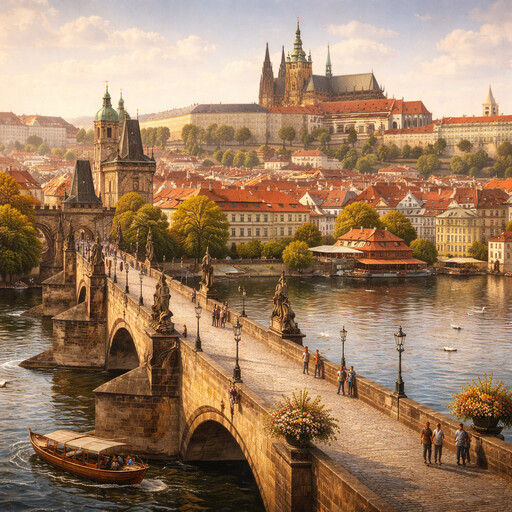
Prague
Historic capital city of the Czech Republic
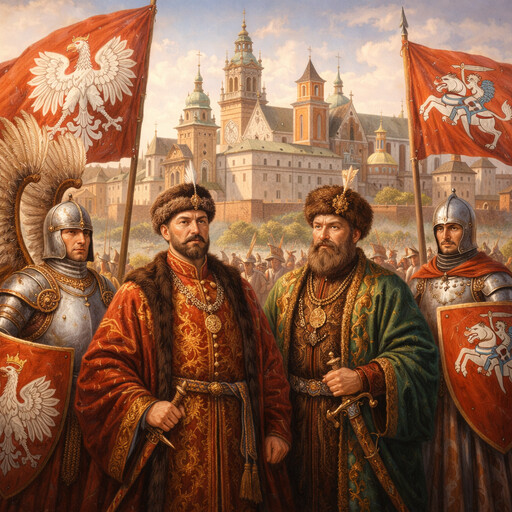
Polish–Lithuanian Commonwealth
A large early modern European state
Mao Zedong
Leader of modern Communist China
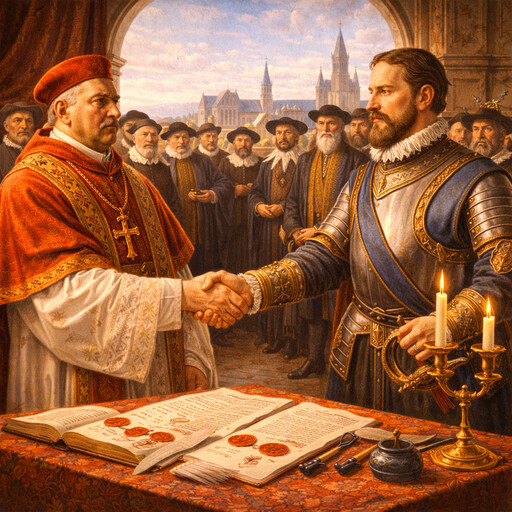
Peace of Westphalia
Treaties ending major European wars