Wild boars travel in family groups called sounders through oak forests, reed beds, and farm fields. Bristly coats shed rain, and the hump of muscle over their shoulders powers long digging sessions. Tusks—elongated canine teeth—grow from the upper and lower jaws and sharpen each other every time the mouth opens. They help boars pry open logs, strip bark, and defend against predators during the autumn rut.
Boars are omnivores that eat whatever is available. In spring they root through moist soil for bulbs, tubers, and earthworms, turning patches of ground as if plowed. Summer diets include berries, crops, frogs, and insect larvae. During mast years, when oak trees drop heavy acorn crops, boars gorge to build fat reserves. Along coasts they even dig for clams. This constant rooting mixes nutrients and creates seedbeds but can also damage crops and riverbanks when populations are high.
Sounders usually include related females and their striped piglets. At night they travel in single file, the largest sow leading the way. Piglets lose their camouflage stripes after a few months but remain with the group for several years. Adult males live alone most of the year, rejoining sounders during mating season. Males grow thick shoulder shields of scar tissue that protect vital organs during tusk clashes.
In native forests, wolves, tigers, and lynx keep boar numbers in check. In regions where boars have been introduced, such as parts of North America and Australia, managers use corral traps, aerial surveys, and trained dogs to reduce damage to wetlands, endangered plants, and ground-nesting birds. Farmers protect crops by installing sturdy fences and harvesting promptly. When coordinated with hunters and ecologists, these strategies allow people to benefit from boars’ ecological roles in their native range while limiting impacts elsewhere.
Wild boar
Level
readlittle.com
Rooting pigs with global footprints
What We Can Learn
- Tusks and muscular shoulders let boars dig for roots and defend sounders.
- Piglets start life with camouflage stripes and follow a leading sow.
- Rooting aerates soil but can harm crops and wetlands when populations explode.
- Predators, fencing, and careful management keep boar numbers in balance.
Related Reads
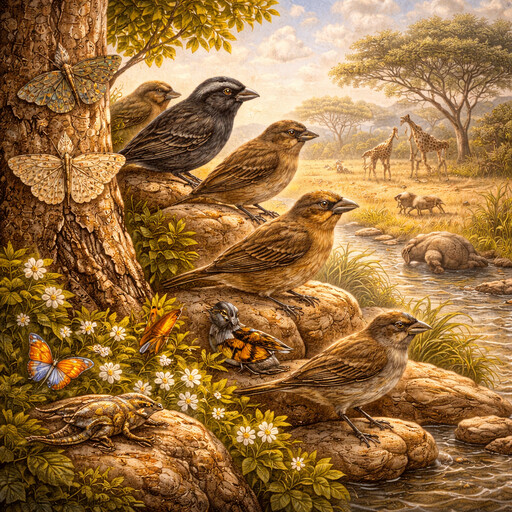
Natural selection
How living things change over time

Nutrient
Substance needed for growth and life
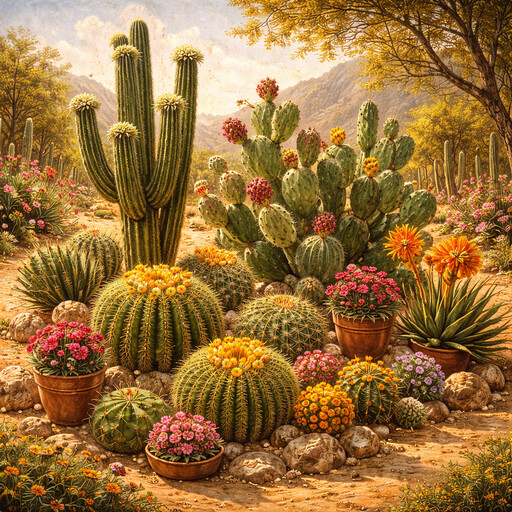
Cactus
Plant adapted to dry environments

Ecology
Study of living things and environments

Animal
Living organisms that eat other life

Plant
Living organism that makes its own food

Amazon rainforest
Vast tropical forest in South America
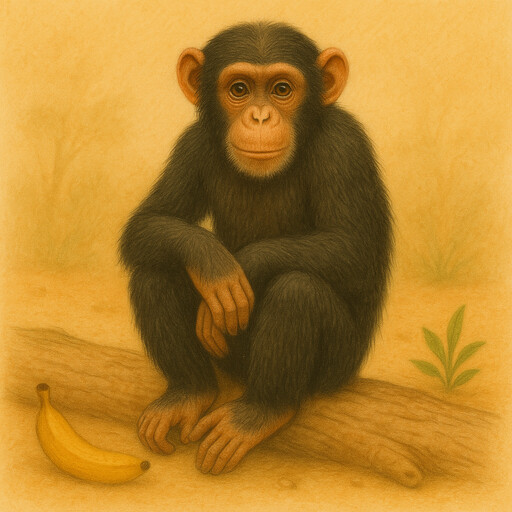
Chimpanzee
Inventive problem-solvers of African forests
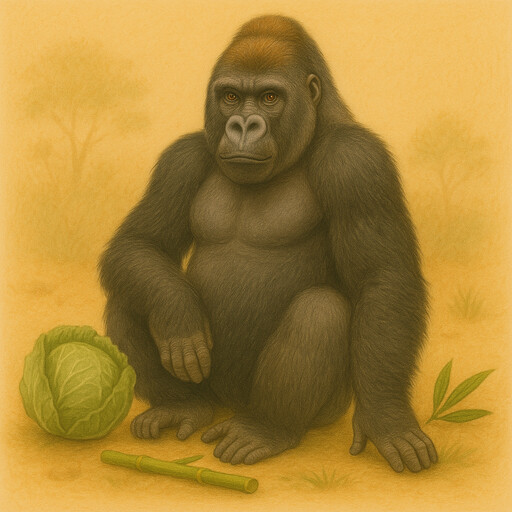
Gorilla
Forest gardeners with gentle strength
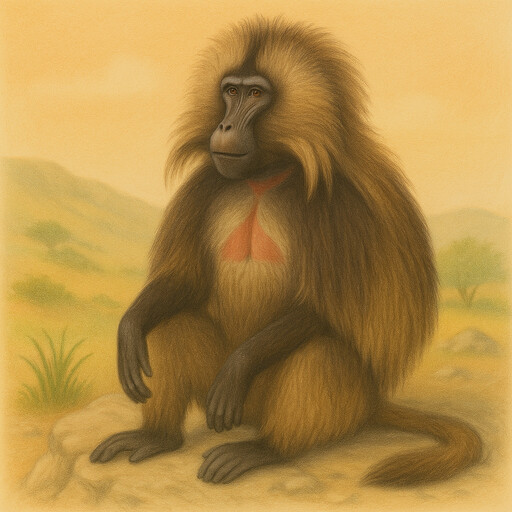
Gelada
Grass-eating monkeys of the highlands
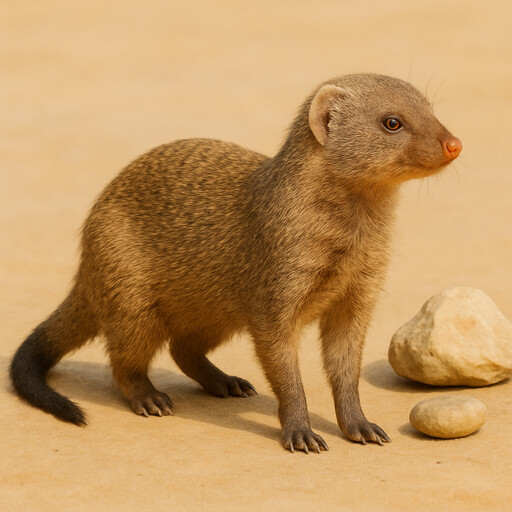
Mongoose
Quick hunters with shared dens
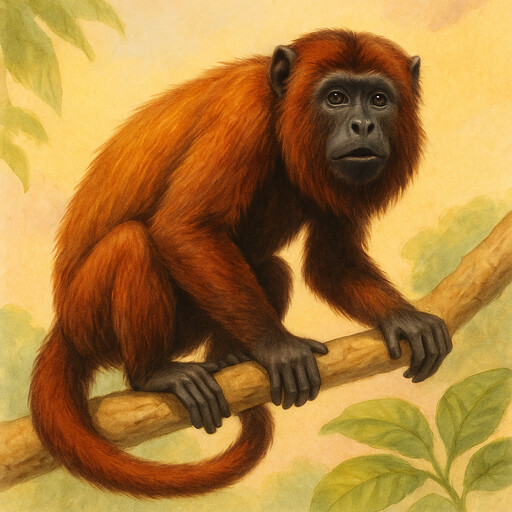
Howler monkey
Rainforest alarm bells