The Andes are a long chain of mountains in South America. They are the longest mountain range on land in the world. The Andes run along the western side of the continent. They pass through several countries, including Venezuela, Colombia, Ecuador, Peru, Bolivia, Chile, and Argentina. A mountain range is a group of mountains connected in a line.
The Andes formed over millions of years. They were created by the movement of large pieces of Earth’s surface called tectonic plates. A tectonic plate is a massive slab of rock that slowly moves under the ground. When plates push together, the land can rise and form mountains. This process made the Andes very high and steep in many places.
Some of the highest peaks in the Andes are covered with snow all year. Aconcagua in Argentina is the tallest mountain in the Andes. It is also the highest mountain outside Asia. Many rivers begin in the Andes. Melted snow and rain flow down the mountains and form streams and rivers. These rivers support farms and cities far below.
The Andes have different climates. Climate means the usual weather of a place over time. In the north, the mountains are warmer and wetter. In the south, they are colder and windier. At high elevations, the air is thin. Thin air has less oxygen, which makes breathing harder for people and animals.
Plants and animals live at many levels of the Andes. Each level has its own conditions. Llamas and alpacas live in high areas. These animals are adapted to cold temperatures and thin air. Forests grow on lower slopes. Grasslands are common at higher elevations. These zones are shaped by height, temperature, and rainfall.
People have lived in the Andes for thousands of years. Ancient civilizations such as the Inca Empire built cities and roads in the mountains. Today, many towns and cities are still found in the Andes. Roads and railways cross mountain passes to connect regions. The Andes continue to shape land, water, and human settlement in South America.
Andes
Level
readlittle.com
Longest mountain range in South America
What We Can Learn
- The Andes are the longest mountain range on land.
- They run along western South America.
- The mountains formed from moving tectonic plates.
- The Andes affect climate, rivers, and settlements.
Related Reads

Cape of Good Hope
Southern headland of Africa
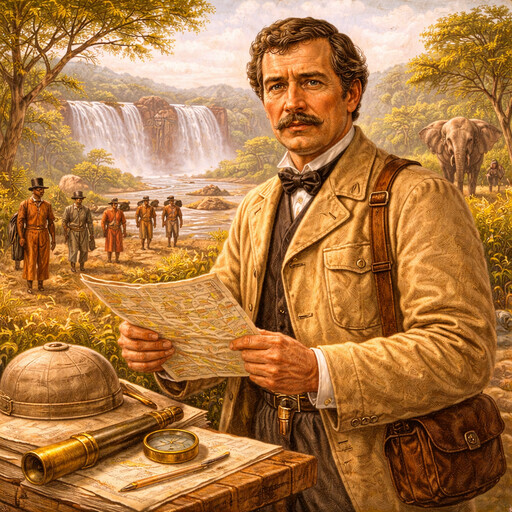
David Livingstone
Scottish explorer of Africa
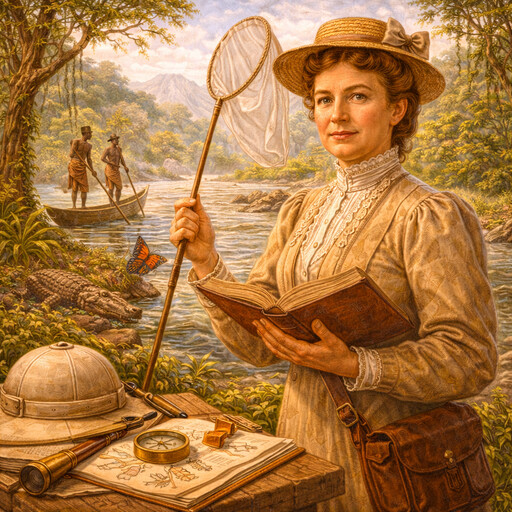
Mary Kingsley
British traveler and writer in West Africa

Lewis and Clark Expedition
Exploring the land west of the Mississippi
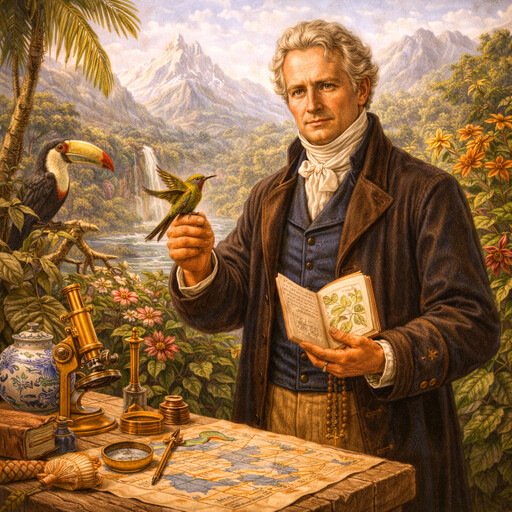
Alexander von Humboldt
Explorer of nature and the natural world
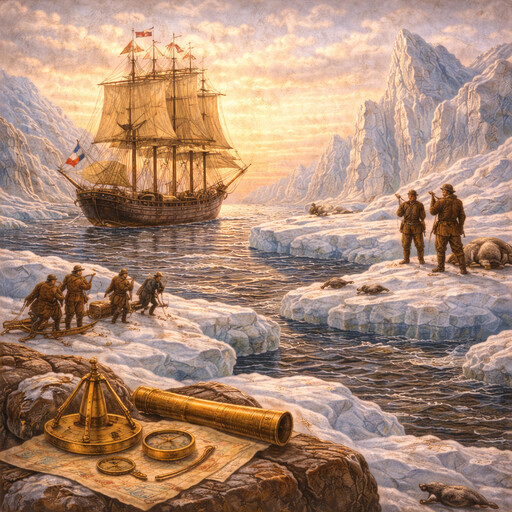
Northwest Passage
A sea route through Arctic waters

Louisiana Purchase
A land deal that doubled the United States

Ptolemy
Ancient scholar of astronomy and geography
Pytheas
Greek explorer of the far north
Serbia
A country in Southeast Europe

Balkans
Southeastern European region

Saint Petersburg
Historic city in northwest Russia