Venezuela faces the Caribbean sea with more than 2,800 kilometers of coastline dotted with mangroves, coral reefs, and islands such as Margarita. To the west rise the Andes, including Pico Bolívar at 4,978 meters, while the central Llanos stretch as vast wetlands known for capybaras, anacondas, and seasonal cattle roundups. In the southeast, ancient sandstone plateaus called tepuis pierce the clouds inside Canaima National Park, where Angel Falls plunges nearly one kilometer, making it the world's highest uninterrupted waterfall.
The Orinoco River and its tributaries drain most of Venezuela, forming fertile plains and delta forests before reaching the Atlantic. Hydroelectric dams like the Guri Dam supply much of the country's electricity. Caracas, the capital, sits in a valley surrounded by lush mountains and serves as the political and cultural heart. Other major cities include Maracaibo near the oil-rich lake of the same name, Valencia's industrial hub, and Ciudad Guayana near major steel and aluminum plants.
Venezuela's history spans Indigenous Carib, Arawak, and Warao peoples, Spanish colonial rule beginning in 1522, and a leading role in Latin America's independence through liberator Simón Bolívar. The 20th century saw the rise of the modern oil industry, which drew migrants and funded massive public works. Democratic transitions alternated with political turmoil, and the country continues to face economic crises, migration waves, and debates over governance in the 21st century.
Oil and natural gas remain central to the economy, but Venezuela also possesses gold, bauxite, hydroelectric power, fertile soils for cocoa and coffee, and ecotourism sites. Scientists and conservationists protect biodiversity in the Orinoco Delta, Los Roques Marine Park, and the Andes cloud forests. Entrepreneurs launch small agriculture ventures, digital services, and cultural exports, even during times of scarcity.
Venezuelan culture blends Indigenous traditions, African rhythms, and Spanish influences. music ranges from joropo harps and cuatro guitars in the Llanos to gaita holiday songs in Zulia and salsa in Caracas. Cuisine features arepas stuffed with cheese or beans, pabellón criollo (shredded beef with rice and plantains), and cocoa-based desserts. Baseball is the most popular sport, while cyclists and track athletes proudly wear the yellow, blue, and red flag. community groups organize mutual aid networks, art workshops, and educational programs to support families and preserve hope.
Venezuela
Level
readlittle.com
Caribbean coastline and oil-rich highlands
What We Can Learn
- Venezuela includes Caribbean coasts, Andes peaks, Llanos plains, and tepui mesas
- The Orinoco River system and Guri Dam provide water and hydropower
- Oil dominates the economy, but agriculture, mining, and tourism offer alternatives
- Cultural resilience shows through music, food, sports, and community solidarity
Related Reads
No image
Monarchy
Government ruled by a royal family

Johann Gottfried Herder
German thinker of culture and language

Max Planck
Founder of quantum theory
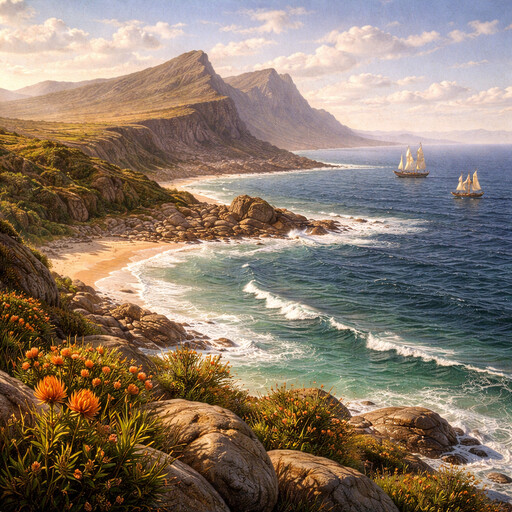
Cape of Good Hope
Southern headland of Africa
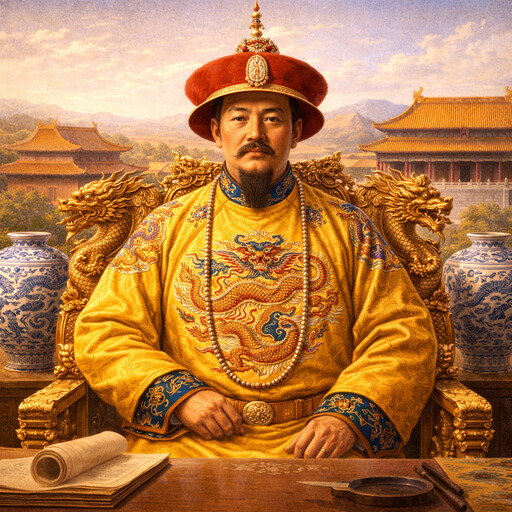
Ming dynasty
Chinese dynasty from 1368 to 1644
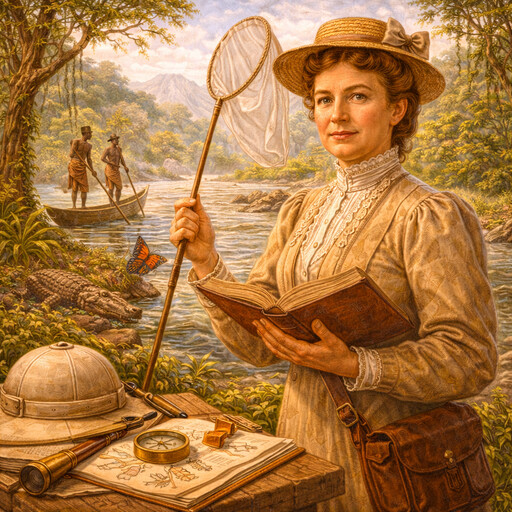
Mary Kingsley
British traveler and writer in West Africa
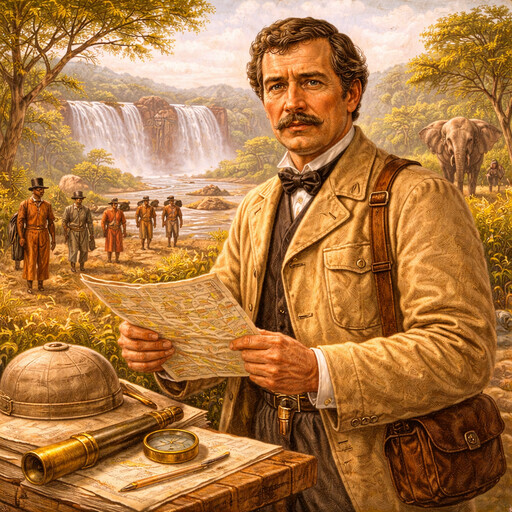
David Livingstone
Scottish explorer of Africa

Lewis and Clark Expedition
Exploring the land west of the Mississippi
Alexander von Humboldt
Explorer of nature and the natural world
Northwest Passage
A sea route through Arctic waters

Louisiana Purchase
A land deal that doubled the United States
Conquistador
Spanish explorers and soldiers of empire