Turkey straddles both Europe and Asia, with the Bosporus Strait, Sea of Marmara, and Dardanelles connecting the Black Sea to the Aegean. The country borders Greece, Bulgaria, Georgia, Armenia, Azerbaijan's Nakhchivan region, Iran, Iraq, and Syria. Landscapes range from the snowy peaks of Mount Ararat and the Taurus Mountains to the fairy chimney rock spires of Cappadocia and turquoise beaches along the Mediterranean and Aegean coasts. Istanbul, built on two continents, features historic mosques, modern subways, and ferries that crisscross the Bosporus. Ankara, the capital, hosts embassies, universities, and research labs.
Turkey's history spans Hittite, Greek, Roman, Byzantine, and Ottoman civilizations. Ancient cities like Troy, Ephesus, and Pergamon reveal amphitheaters, libraries, and temples, while Ottoman architects built domed mosques, bazaars, and aqueducts. Mustafa Kemal Atatürk founded the Republic of Turkey in 1923, introducing secular laws, public education reforms, and a new Latin-based alphabet. In recent decades the country has developed aerospace programs, high-speed rail lines, and technology parks while preserving archaeological treasures under UNESCO protection.
Turkey is a presidential republic. Citizens elect the president and members of the Grand National Assembly, which passes laws and approves budgets. Provinces are led by appointed governors and elected municipal councils that manage transit, green spaces, and cultural centers. The judiciary interprets the constitution, and independent agencies oversee elections, media, and disaster response.
The economy mixes manufacturing, agriculture, tourism, and services. Factories produce automobiles, appliances, drones, and textiles for export. Farmers grow wheat, hazelnuts, olives, cotton, and tea using irrigation canals and terraced hillsides along the Black Sea. Tourists explore Cappadocia by hot-air balloon, cruise the Turquoise Coast, and soak in thermal springs at Pamukkale. The renewable-energy sector harnesses wind in Thrace, geothermal fields in western Anatolia, and solar farms in central plateaus.
Culture blends Anatolian folk traditions with global influences. Families share meals of kebabs, lentil soup, and baklava layered with pistachios, plus tea served in tulip-shaped glasses. Musicians play the saz lute and perform halay circle dances at weddings, while designers weave kilim rugs with geometric patterns. Museums display miniature calligraphy, whirling dervish costumes, and modern art installations. Students attend maker labs, participate in earthquake drills, and join volunteer search-and-rescue teams, reflecting Turkey's focus on innovation, safety, and community resilience.
Turkey
Level
readlittle.com
Bridge of continents, cuisine, and crafts
What We Can Learn
- Turkey bridges Europe and Asia through the Bosporus and Dardanelles.
- Successive civilizations left ruins, mosques, and reforms culminating in the 1923 republic.
- A presidential system and national assembly guide provinces and cities.
- Industry, farming, tourism, and renewable energy keep the economy diverse.
Related Reads

Johann Gottfried Herder
German thinker of culture and language
No image
Monarchy
Government ruled by a royal family
Ming dynasty
Chinese dynasty from 1368 to 1644
Cape of Good Hope
Southern headland of Africa
Thomas Jefferson
Author and third U.S. president
Mary Kingsley
British traveler and writer in West Africa
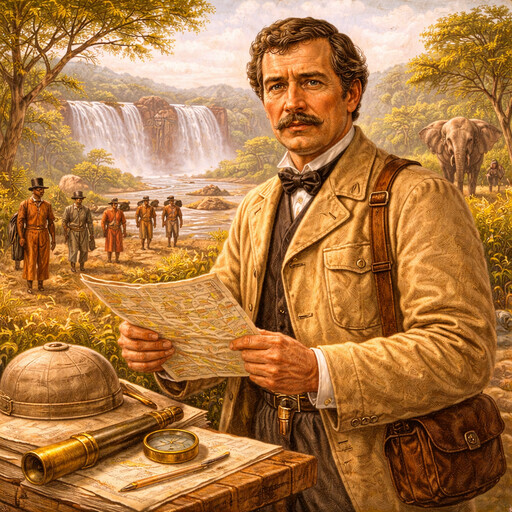
David Livingstone
Scottish explorer of Africa
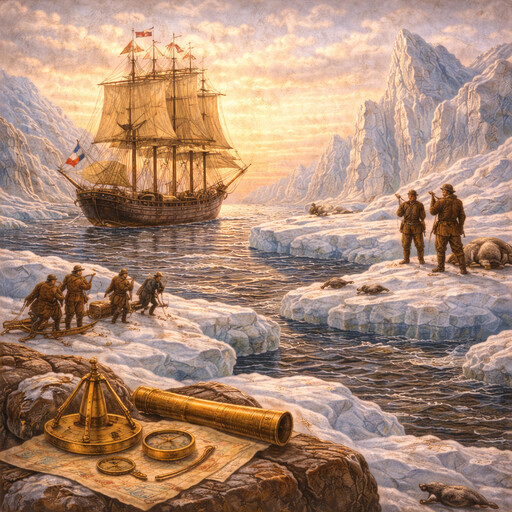
Northwest Passage
A sea route through Arctic waters
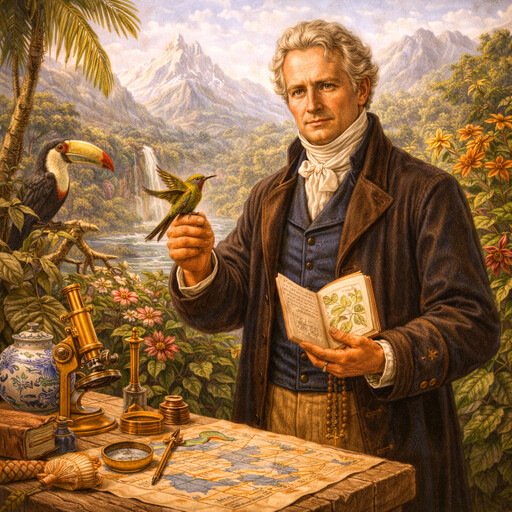
Alexander von Humboldt
Explorer of nature and the natural world
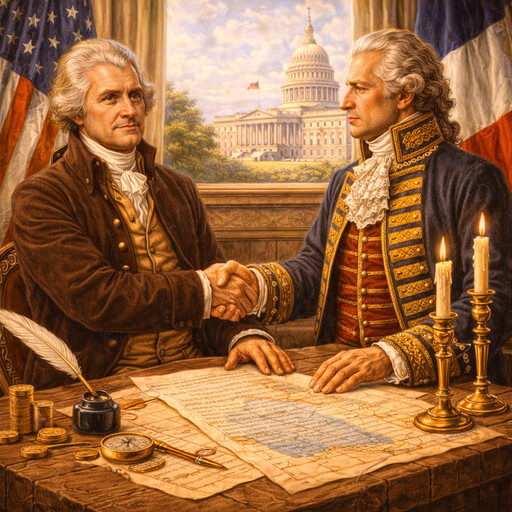
Louisiana Purchase
A land deal that doubled the United States

Lewis and Clark Expedition
Exploring the land west of the Mississippi
Conquistador
Spanish explorers and soldiers of empire