Austria stretches from the eastern Alps across the Danube Basin, sharing borders with Germany, Czechia, Slovakia, Hungary, Slovenia, Italy, Switzerland, and Liechtenstein. Snowy peaks, valleys, and vineyards define landscapes from Tyrol to Burgenland, while the Danube flows through Vienna, linking the Black Forest to the Black Sea. Lakes such as Neusiedl and Wolfgangsee attract sailors, and national parks protect limestone caves, glaciers, and alpine meadows bursting with edelweiss.
Austria is a federal parliamentary republic with a president as head of state and a chancellor leading the government. A bicameral parliament—the National Council and Federal Council—shares legislative duties, while nine provinces (Bundesländer) manage education, transport, and cultural affairs. Social partnership between employers, trade unions, and chambers of commerce guides wage agreements and apprenticeships, and referendums allow citizens to weigh in on major issues.
History includes Celtic settlements, Roman provinces, and the rise of the Habsburg dynasty, which ruled a multicultural empire centered on Vienna for centuries. After World War I, Austria became a republic, later endured annexation by Nazi Germany, and regained sovereignty in 1955 through the State Treaty and a declaration of permanent neutrality. Membership in the European Union since 1995 strengthened its economy and opened labor markets, while Vienna emerged as a hub for the United Nations and the Organization for Security and Co-operation in Europe (OSCE).
Austria's economy blends mechanical engineering, automotive supply chains, tourism, and renewable energy from alpine rivers with viticulture and organic farming. Hydropower plants along the Danube and Inn supply most electricity, and researchers pioneer timber construction, rail technology, and quantum science. Cultural industries range from film studios to instrument craft shops, and Vienna's coffeehouses remain meeting places for economists, artists, and students.
Cultural heritage highlights composers such as Wolfgang Amadeus Mozart and Johann Strauss II, architectural landmarks like Schönbrunn Palace, and festivals ranging from Salzburg's opera season to Styrian pumpkin fairs. Outdoor recreation includes skiing in Arlberg, cycling along the Danube trail, and hiking alpine routes like the Eagle Walk. Austria contributes peacekeepers, mediators, and environmental scientists to international organizations, supporting climate diplomacy, nuclear nonproliferation, and cultural preservation.
Austria
Level
readlittle.com
Central European alpine republic of music and science
What We Can Learn
- Austria spans Alpine peaks, river valleys, and vineyards anchored by the Danube.
- Federal democracy and social partnership balance national leadership with provincial autonomy.
- Habsburg history, neutrality, and cultural exports shape identity.
- Engineering, tourism, and renewable energy drive the economy alongside classical arts.
Related Reads
No image
Monarchy
Government ruled by a royal family

Johann Gottfried Herder
German thinker of culture and language
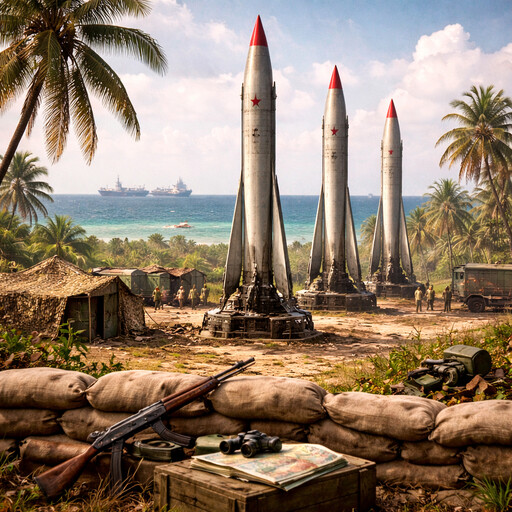
Cuban Missile Crisis
Cold War nuclear standoff in 1962
Henry Kissinger
American diplomat and foreign policy leader
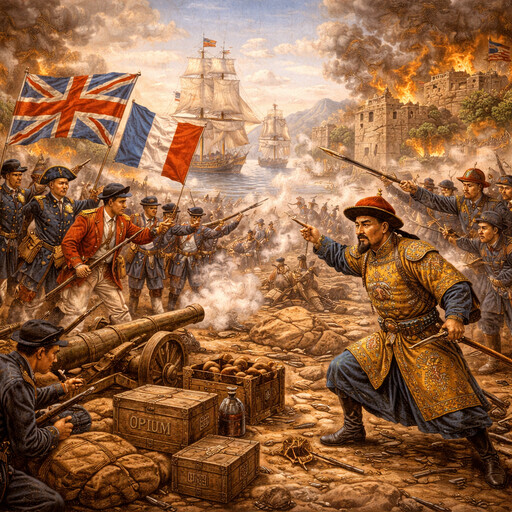
Second Opium War
Renewed conflict between China and Western powers
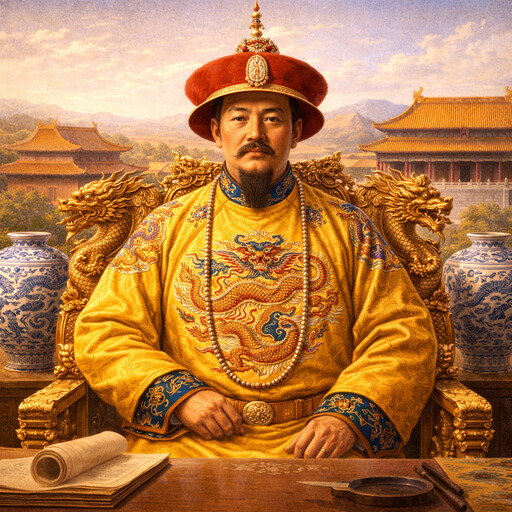
Ming dynasty
Chinese dynasty from 1368 to 1644
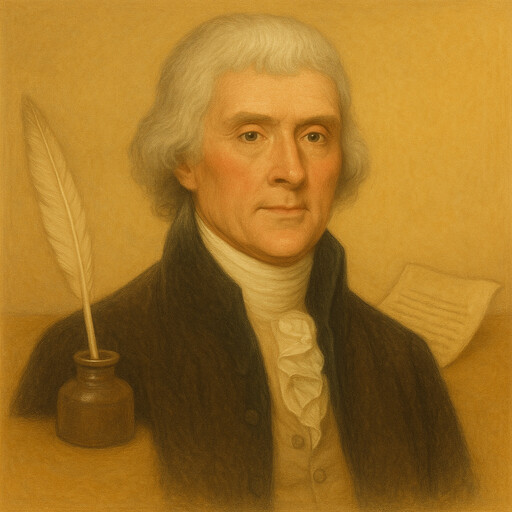
Thomas Jefferson
Author and third U.S. president
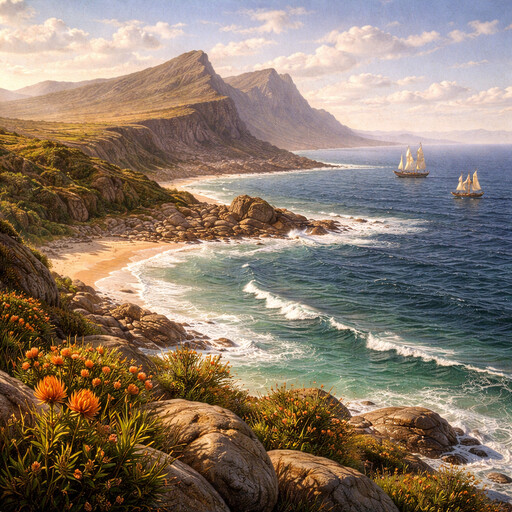
Cape of Good Hope
Southern headland of Africa
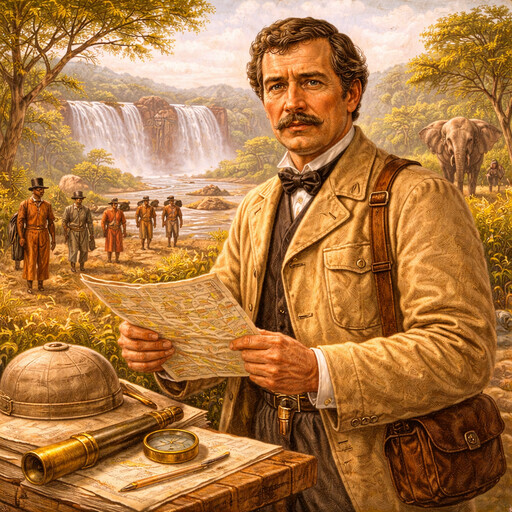
David Livingstone
Scottish explorer of Africa
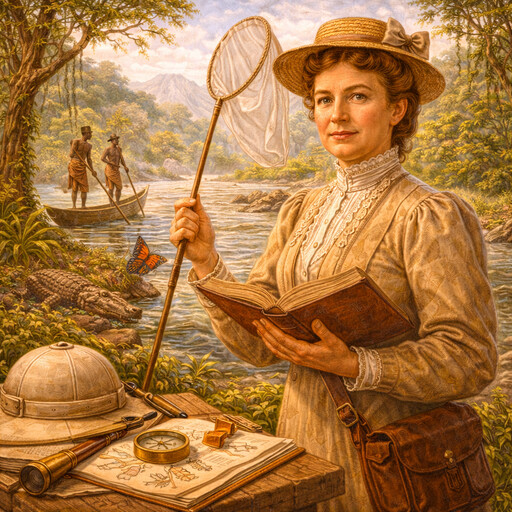
Mary Kingsley
British traveler and writer in West Africa
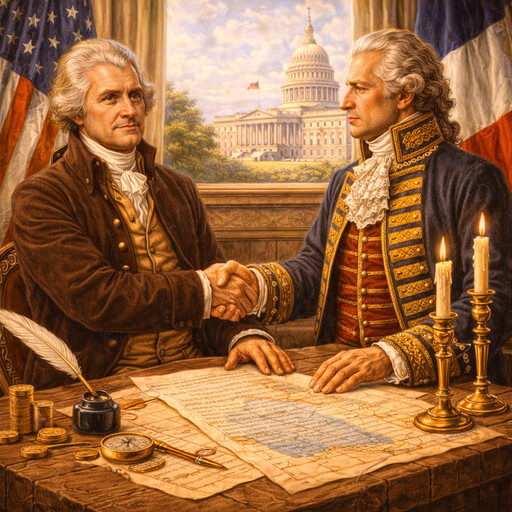
Louisiana Purchase
A land deal that doubled the United States

Lewis and Clark Expedition
Exploring the land west of the Mississippi