Charlemagne was a powerful ruler in early medieval Europe. He was born around 742 CE and became king of the Franks, a Germanic people in Western Europe. During his long reign, Charlemagne expanded his kingdom through conquest and control. In 800 CE, he was crowned emperor by Pope Leo III in Rome, linking his rule with the Christian Church.
Charlemagne inherited the Frankish throne in 768 CE, ruling at first with his brother. After his brother’s death, Charlemagne became sole ruler. He led many military campaigns to extend his territory. These campaigns brought large areas of modern France, Germany, Italy, and neighboring regions under his control. His kingdom later became known as the Carolingian Empire.
The crowning of Charlemagne as emperor took place on Christmas Day in 800 CE. The title was Emperor of the Romans. This event connected Charlemagne to the idea of the ancient Roman Empire. It also strengthened ties between the ruler and the pope. The pope was the head of the Christian Church in Western Europe. This relationship influenced politics and religion for centuries.
Charlemagne governed his empire through officials called counts, who managed local areas. He traveled often to oversee his lands and hold meetings. Laws were written down and shared across the empire. Charlemagne supported Christianity and encouraged its spread within his territories. Churches and monasteries were built in many regions.
Charlemagne also supported learning and education. This period is sometimes called the Carolingian Renaissance. A renaissance means a revival of learning. Scholars were invited to his court to study language, history, and religion. Schools were set up at monasteries and churches. Books were copied by hand to preserve knowledge.
Charlemagne died in 814 CE and was buried in the city of Aachen. His empire was later divided among his grandsons. Over time, the empire broke apart into smaller kingdoms. Even so, Charlemagne remained an important figure in European history. He is remembered as a ruler who united large parts of Western Europe under one government.
Charlemagne
Level
readlittle.com
King and emperor of early medieval Europe
What We Can Learn
- Charlemagne ruled much of Western Europe.
- He was crowned emperor in 800 CE.
- His rule connected politics and the Church.
- His empire later divided after his death.
Related Reads
No image
Vienna
Capital city on the Danube River

Revolutions of 1848
Uprisings across Europe in 1848

Peter the Great
Russian ruler who reshaped his country

Vilnius
Historic capital city of Lithuania
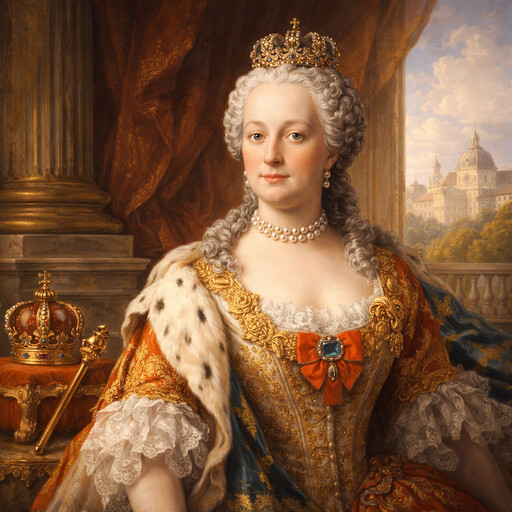
Maria Theresa
Powerful ruler of the Habsburg lands

Polish–Soviet War
War over borders after World War I

Munich Agreement
1938 agreement over Czechoslovak territory

Molotov–Ribbentrop Pact
Non-aggression agreement before World War II
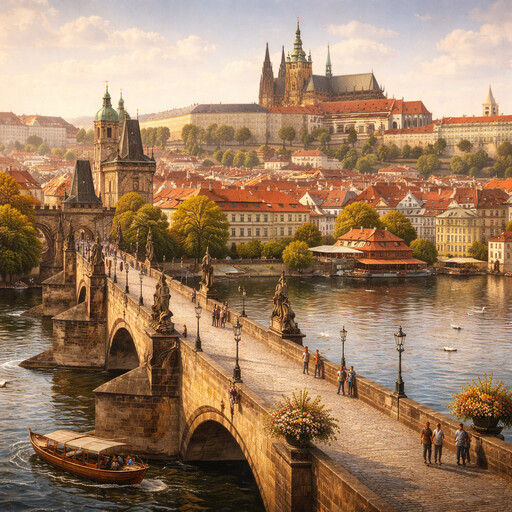
Prague
Historic capital city of the Czech Republic
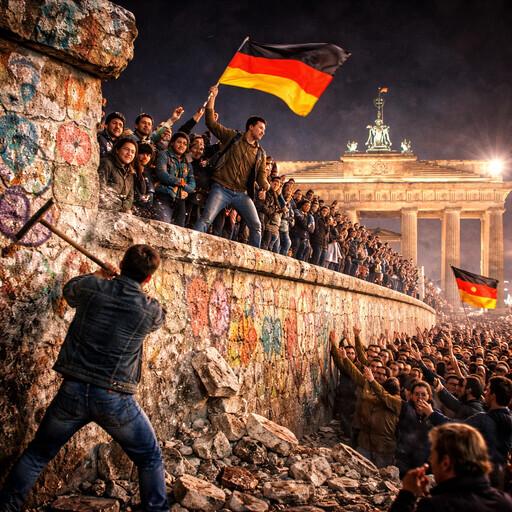
Fall of the Berlin Wall
End of Germany’s divided barrier
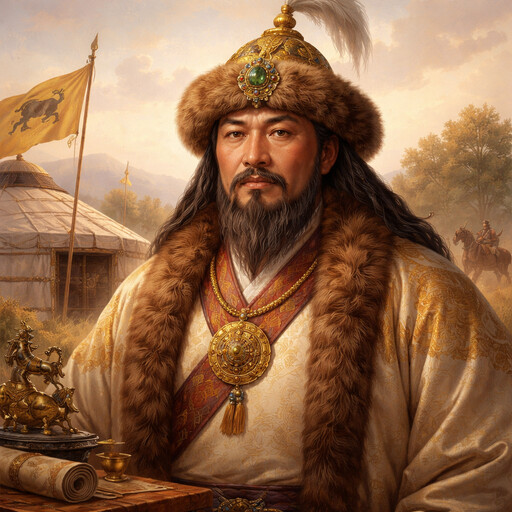
Ögedei Khan
Second ruler of the Mongol Empire
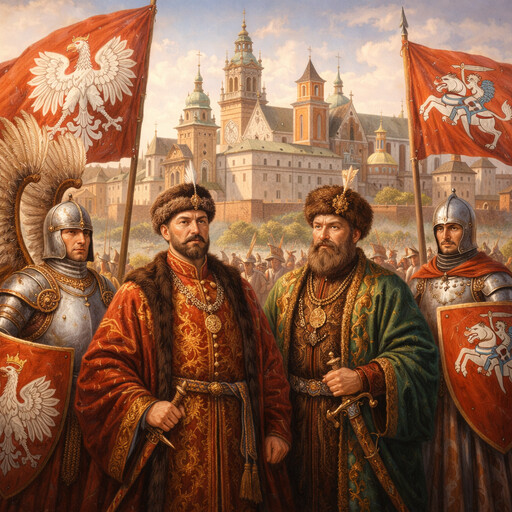
Polish–Lithuanian Commonwealth
A large early modern European state