The Polish–Soviet War was a war fought between the Republic of Poland and Soviet Russia from 1919 to 1921. It took place after World War I, during a time of great change in Eastern Europe. Old empires had collapsed, and new countries were being formed. Poland had just regained independence in 1918 after more than one hundred years of foreign rule. At the same time, the Bolsheviks had taken power in Russia and were creating a new state called Soviet Russia. Both sides wanted control over the same lands, especially areas in present-day Ukraine and Belarus.
The background of the war was shaped by earlier history. For many years, Poland had been divided between Russia, Prussia, and Austria. When World War I ended, these empires were weakened or destroyed. Poland declared independence and began to build a government and an army. However, its borders were not clearly defined. To the east, the Russian Empire had collapsed, and a civil war was taking place between the Bolsheviks and their enemies. The Bolsheviks believed that their revolution should spread west into Europe. This belief brought them into conflict with the new Polish state.
Fighting began in early 1919 as small clashes between Polish and Soviet forces. At first, neither side officially declared war. The fighting slowly grew larger as both armies moved into contested areas. Józef Piłsudski, the leader of Poland, hoped to create a group of independent states between Poland and Russia. Soviet leaders, including Vladimir Lenin, wanted to defeat Poland and move toward Germany. By 1920, the conflict had become a full-scale war.
One of the most important events of the war was the Battle of Warsaw in August 1920. Soviet forces advanced deep into Poland and threatened to capture the capital city, Warsaw. Many observers believed Poland would be defeated. However, Polish forces launched a counterattack. This counterattack pushed the Soviet army back and stopped its advance. The event is sometimes called the "Miracle on the Vistula," named after the Vistula River near Warsaw. After this battle, the balance of the war changed.
After the Battle of Warsaw, Polish forces continued to advance eastward. Both sides were tired from long fighting and heavy losses. In 1921, peace talks were held in the city of Riga. The war officially ended with the Treaty of Riga, signed in March 1921. This treaty set the border between Poland and Soviet Russia. Poland gained large areas of land to the east, including parts of modern Ukraine and Belarus. These borders remained in place until World War II.
The Polish–Soviet War had lasting effects on the region. It helped secure Poland’s independence in its early years. It also shaped relations between Poland and the Soviet Union for many years. The war showed how unstable Eastern Europe was after World War I. Many of the borders created during this time were the result of conflict rather than agreement. The Polish–Soviet War remains an important event in the history of both countries.
Polish–Soviet War
Level
readlittle.com
War over borders after World War I
What We Can Learn
- The war was fought from 1919 to 1921
- It involved Poland and Soviet Russia
- The Battle of Warsaw was a key turning point
- The Treaty of Riga ended the war
Related Reads
No image
Vienna
Capital city on the Danube River
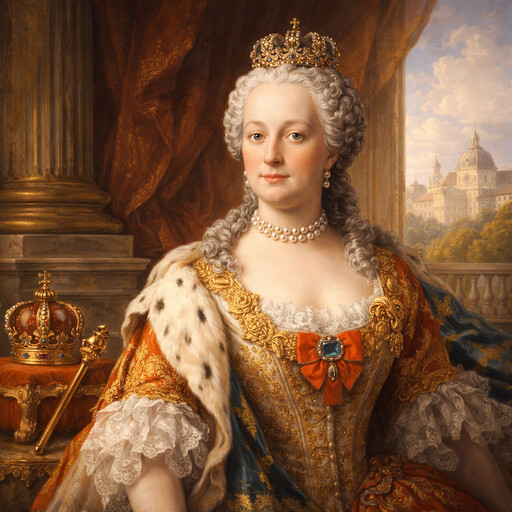
Maria Theresa
Powerful ruler of the Habsburg lands

Vilnius
Historic capital city of Lithuania

Munich Agreement
1938 agreement over Czechoslovak territory

Molotov–Ribbentrop Pact
Non-aggression agreement before World War II

Revolutions of 1848
Uprisings across Europe in 1848
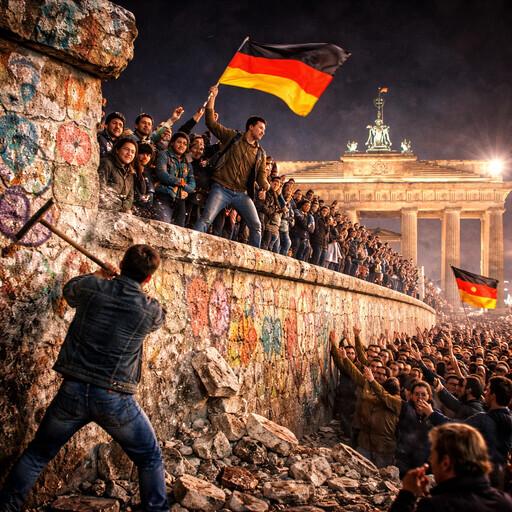
Fall of the Berlin Wall
End of Germany’s divided barrier
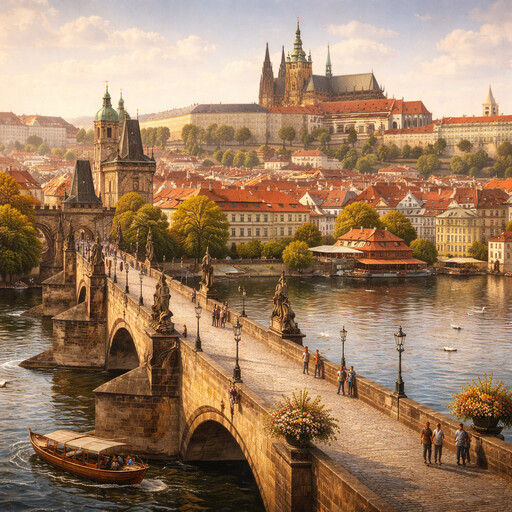
Prague
Historic capital city of the Czech Republic
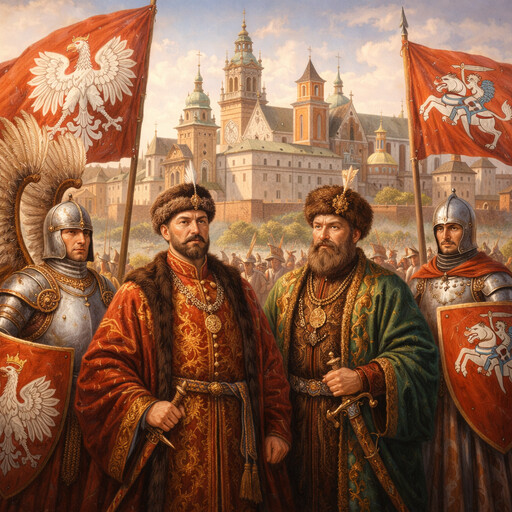
Polish–Lithuanian Commonwealth
A large early modern European state
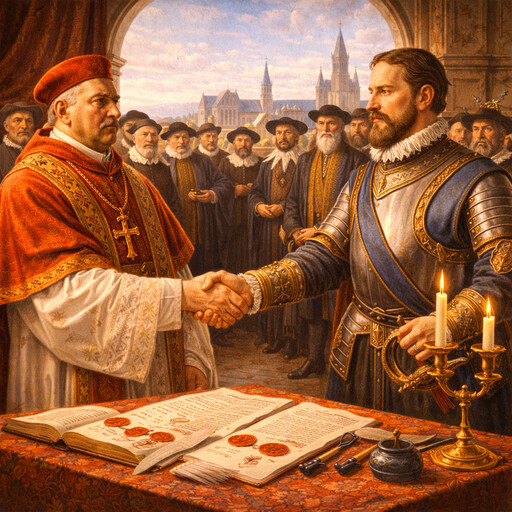
Peace of Westphalia
Treaties ending major European wars
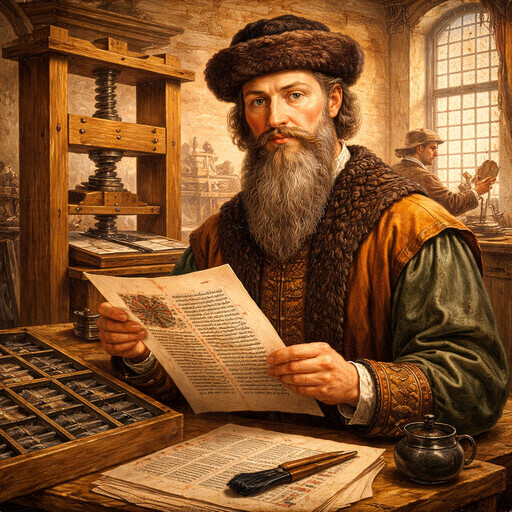
Johannes Gutenberg
Inventor of movable-type printing in Europe
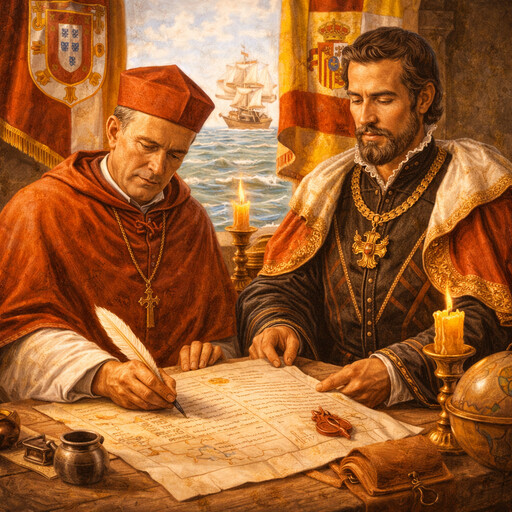
Treaty of Tordesillas
Dividing new lands between two kingdoms