Prague is the capital city of the Czech Republic. It is located in central Europe, along the Vltava River. A river is a natural flow of water that moves across land. Prague is the largest city in the country and its main political, cultural, and economic center. The city has been important for more than one thousand years. Many old buildings, bridges, and streets still stand today. Because of this, Prague shows many layers of European history in one place.
The history of Prague began around the 9th century. Early settlements grew near Prague Castle, which became the seat of rulers. A castle is a large fortified building used by leaders for defense and control. During the Middle Ages, Prague became the capital of the Kingdom of Bohemia. Bohemia was a historical region in central Europe. Kings such as Charles IV ruled from Prague in the 1300s. Under his rule, the city grew in size and importance. Charles Bridge, one of Prague’s most famous bridges, was built during this time.
Prague continued to play a major role in European history during later centuries. In 1618, an event called the Defenestration of Prague took place. Defenestration means throwing someone out of a window. This event helped start the Thirty Years’ War, a long conflict in Europe. Over time, Prague came under the rule of the Habsburg Empire. An empire is a large group of lands ruled by one authority. The city became part of Austria-Hungary until the end of World War I in 1918.
After World War I, Prague became the capital of a new country called Czechoslovakia. This country joined Czechs and Slovaks under one government. During World War II, Prague was occupied by Nazi Germany. Occupation means control by a foreign army. After the war, the city became part of a communist state aligned with the Soviet Union. In 1968, Prague was the center of the Prague Spring, a short period of political reform. These changes were later stopped by military forces.
In 1989, Prague was a key location in the Velvet Revolution. This was a peaceful movement that ended communist rule in Czechoslovakia. The word velvet means soft, and the name reflects the lack of violence. After this, the country moved toward democracy. Democracy is a system where people choose their leaders through voting. In 1993, Czechoslovakia split into two countries, the Czech Republic and Slovakia. Prague became the capital of the Czech Republic.
Today, Prague is a modern city with a historic center. The old town areas, including Old Town Square and Prague Castle, attract many visitors. The city has universities, government buildings, and cultural institutions. Czech is the main language spoken. The city’s layout includes many districts connected by bridges and public transport. Prague continues to function as the political and administrative heart of the Czech Republic.
Prague
Level
readlittle.com
Historic capital city of the Czech Republic
What We Can Learn
- Prague is the capital and largest city of the Czech Republic
- The city has a history dating back over a thousand years
- It played key roles in European and Czech history
- Many historic buildings and districts remain today
Related Reads
No image
Vienna
Capital city on the Danube River
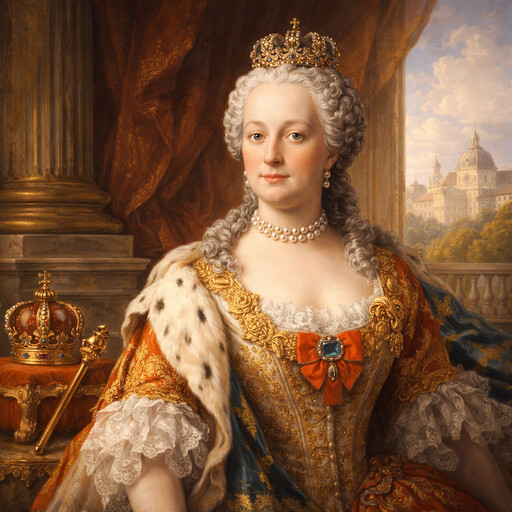
Maria Theresa
Powerful ruler of the Habsburg lands

Polish–Soviet War
War over borders after World War I

Vilnius
Historic capital city of Lithuania

Revolutions of 1848
Uprisings across Europe in 1848

Molotov–Ribbentrop Pact
Non-aggression agreement before World War II

Munich Agreement
1938 agreement over Czechoslovak territory
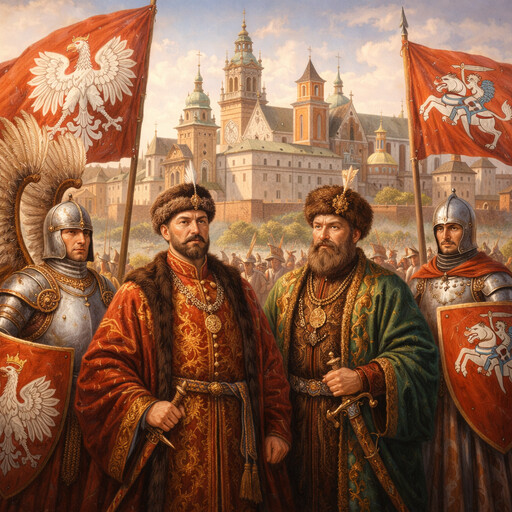
Polish–Lithuanian Commonwealth
A large early modern European state
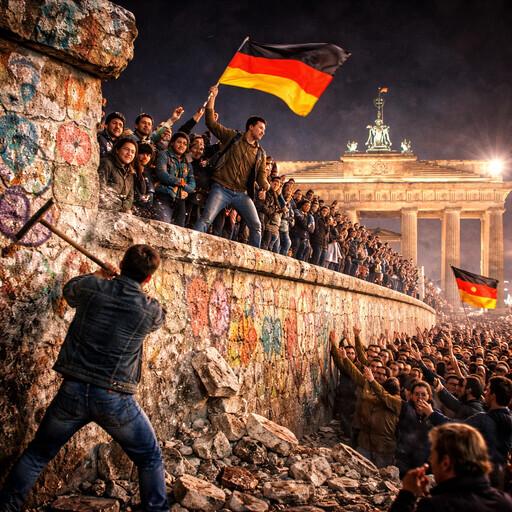
Fall of the Berlin Wall
End of Germany’s divided barrier
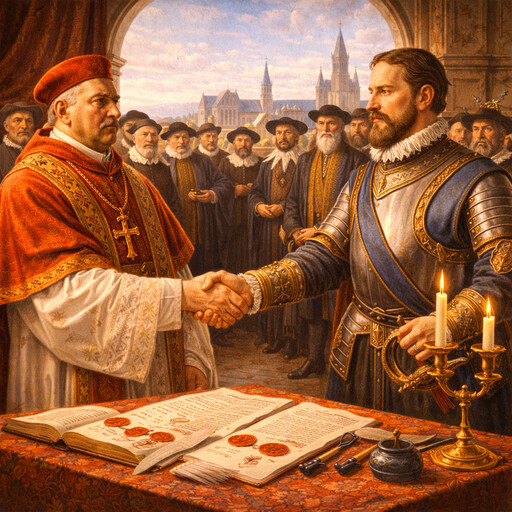
Peace of Westphalia
Treaties ending major European wars
Johannes Gutenberg
Inventor of movable-type printing in Europe
Christopher Columbus
European navigator who crossed the Atlantic