The Napoleonic Wars were a long series of wars fought mainly in Europe between 1803 and 1815. These wars involved France and many other countries, including Britain, Austria, Prussia, Russia, and Spain. Most of the fighting happened during the rule of Napoleon Bonaparte, who became Emperor of France in 1804. The wars followed earlier conflicts from the French Revolution and spread across much of Europe.
Napoleon Bonaparte rose to power after the French Revolution. A revolution is a sudden and major change in government. Napoleon was a general, which means a high-ranking army leader. He used the French army to fight against groups of countries called coalitions. A coalition is an alliance formed to face a common enemy. These coalitions tried to stop France from gaining more power.
The wars were fought on land and at sea. On land, large armies marched across countries and fought battles using muskets, cannons, and cavalry. At sea, the British navy played a strong role. One important sea battle was the Battle of Trafalgar in 1805, led by Admiral Horatio Nelson. In this battle, Britain defeated the French and Spanish fleets, which prevented France from invading Britain.
Napoleon won many early battles on land. He defeated armies in Italy, Germany, and Central Europe. He also placed members of his family on the thrones of several countries. A throne is the position of a king or ruler. However, controlling large areas was difficult. In 1812, Napoleon invaded Russia. The invasion failed because of long distances, lack of supplies, and harsh winter weather.
After the failed Russian campaign, more countries joined together against France. Napoleon’s army became weaker over time. In 1813, he was defeated at the Battle of Leipzig, also called the Battle of the Nations. The fighting continued until Napoleon was forced to give up power in 1814. He was sent into exile but returned briefly in 1815.
The wars ended after Napoleon’s final defeat at the Battle of Waterloo in 1815. After this battle, Napoleon was exiled to the island of Saint Helena. European leaders then met at the Congress of Vienna to redraw borders and restore order. The Napoleonic Wars changed the map of Europe and ended an important period of conflict.
Napoleonic Wars
Level
readlittle.com
European wars during Napoleon’s rule
What We Can Learn
- The wars lasted from 1803 to 1815.
- Napoleon Bonaparte led France during the conflicts.
- Many European countries formed coalitions against France.
- The wars ended after the Battle of Waterloo.
Related Reads
No image
Vienna
Capital city on the Danube River
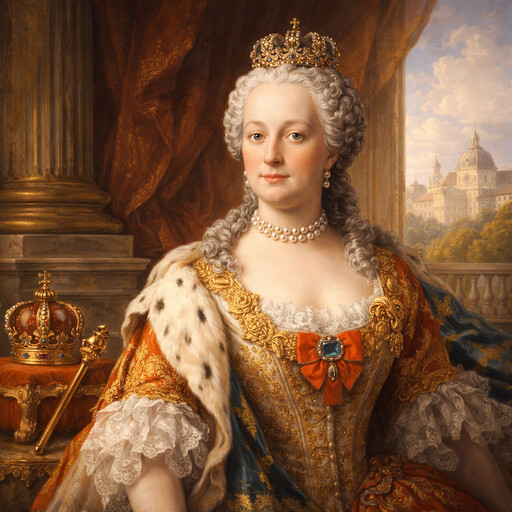
Maria Theresa
Powerful ruler of the Habsburg lands

Polish–Soviet War
War over borders after World War I

Revolutions of 1848
Uprisings across Europe in 1848

Munich Agreement
1938 agreement over Czechoslovak territory

Vilnius
Historic capital city of Lithuania

Molotov–Ribbentrop Pact
Non-aggression agreement before World War II
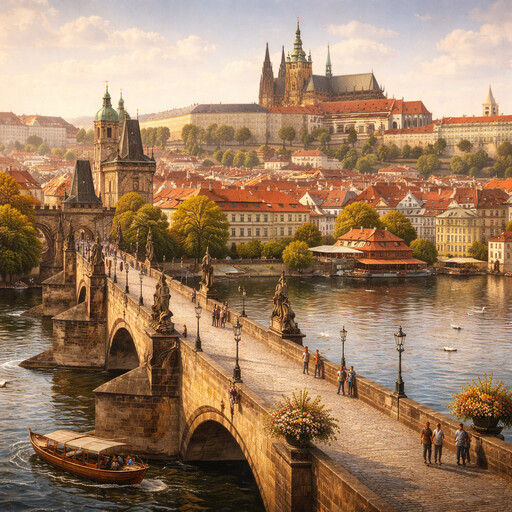
Prague
Historic capital city of the Czech Republic

Fall of the Berlin Wall
End of Germany’s divided barrier
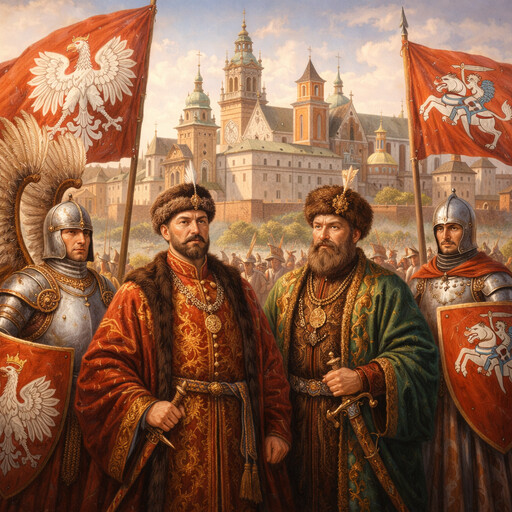
Polish–Lithuanian Commonwealth
A large early modern European state
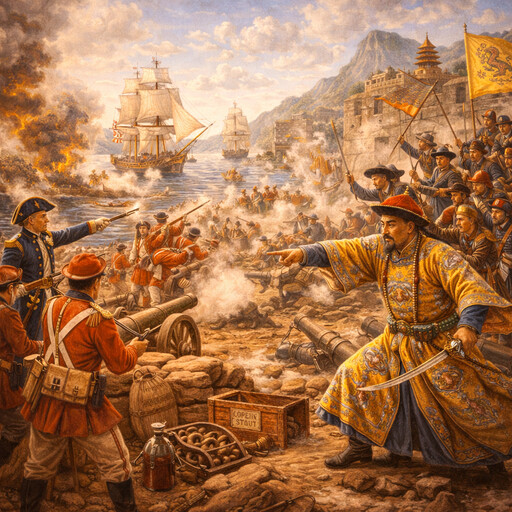
First Opium War
Conflict between Qing China and Britain
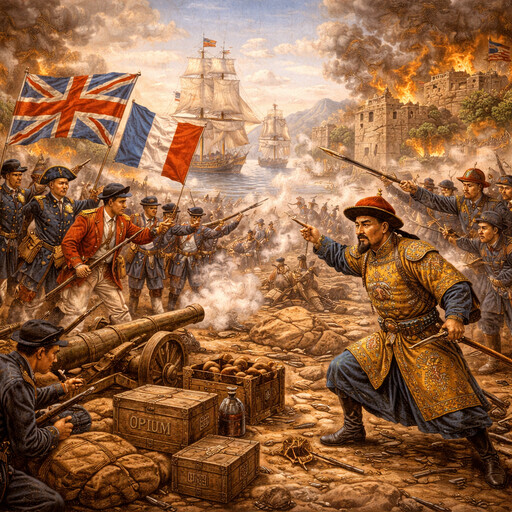
Second Opium War
Renewed conflict between China and Western powers