Ghana lies on West africa's gulf of Guinea, bordered by Côte d'Ivoire, Burkina Faso, and Togo. Accra, the capital, stretches along sandy beaches and busy markets, while Kumasi anchors the Ashanti Region with craft workshops and a royal palace. Lake Volta, one of the world's largest artificial lakes, arcs through the east after the Volta River was dammed at Akosombo in the 1960s.
Coastal plains host fishing villages and restored forts such as Cape coast Castle and Elmina Castle, which now teach visitors about the Atlantic slave trade. Inland, cocoa farms shade seedlings under tall plantain trees, and forest reserves protect chimpanzees, pangolins, and rare butterflies. The Harmattan season brings dry Saharan winds, yet irrigation and agroforestry projects help farmers manage rainfall swings.
Ghana's history spans ancient Ghana and Mali empires, the rise of Ashanti merchants, and the colonial gold Coast under British rule. The country became the first sub-Saharan African colony to win independence in 1957, led by Kwame Nkrumah's message of pan-African unity. Today Ghana operates a multi-party democracy with peaceful transfers of power, independent media, and decentralized district assemblies.
Gold mining, cocoa processing, bauxite, and timber provide export earnings, while new oil fields at Jubilee and TEN add energy revenue. Accra's "Silicon Accra" neighborhoods host fintech, health-tech, and creative studios, and the West African science Service Center in Tamale studies climate-smart agriculture. electricity from the Akosombo and Bui dams, plus expanding solar farms, powers factories making chocolate bars, aluminum, and affordable housing materials.
culture energizes everyday life. Highlife, hiplife, and gospel music fill tro-tros (minibuses), dancers perform traditional Adowa and Kpanlogo routines, and football fans cheer the Black Stars. Artisans weave brightly colored kente cloth, carve stool symbols of authority, and stamp Adinkra patterns onto cloth used for ceremonies. Festivals like Homowo and Aboakyir unite communities with drumming, storytelling, and shared meals of jollof rice, banku, and grilled tilapia.
Ghana
Level
readlittle.com
Gold Coast of cocoa and culture
What We Can Learn
- Ghana links Atlantic harbors, cocoa forests, and Lake Volta's hydropower
- It was the first sub-Saharan colony to gain independence in 1957
- Gold, cocoa, oil, and technology startups fuel a diverse economy
- Music, textiles, festivals, and museums preserve deep cultural memory
Related Reads

Johann Gottfried Herder
German thinker of culture and language
No image
Monarchy
Government ruled by a royal family
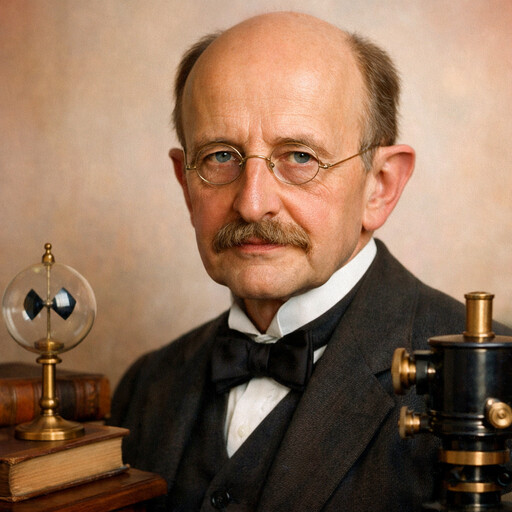
Max Planck
Founder of quantum theory
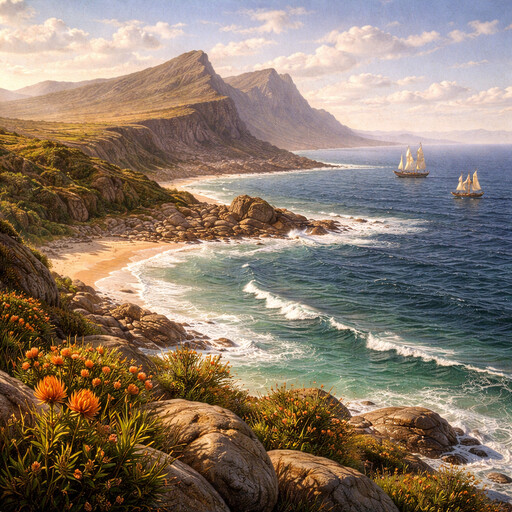
Cape of Good Hope
Southern headland of Africa
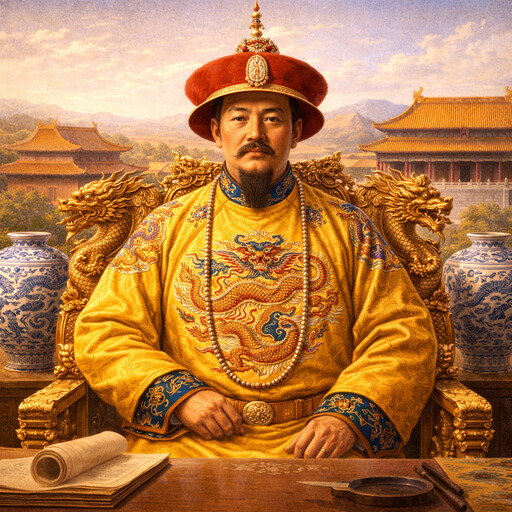
Ming dynasty
Chinese dynasty from 1368 to 1644
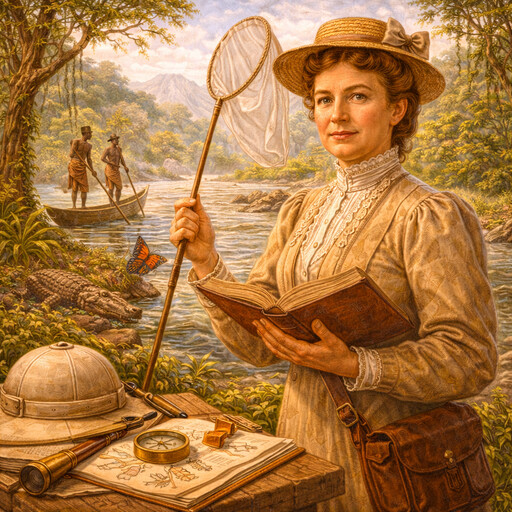
Mary Kingsley
British traveler and writer in West Africa
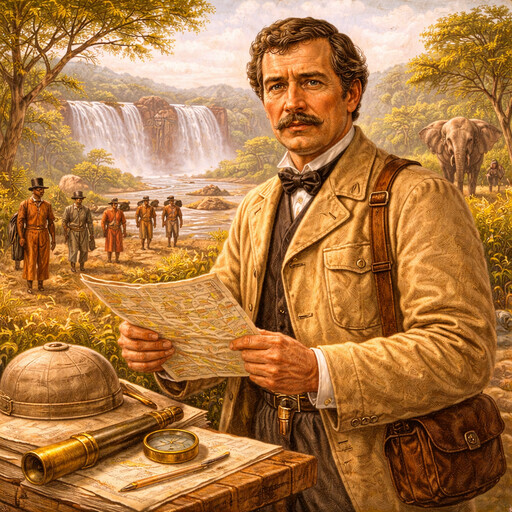
David Livingstone
Scottish explorer of Africa

Lewis and Clark Expedition
Exploring the land west of the Mississippi
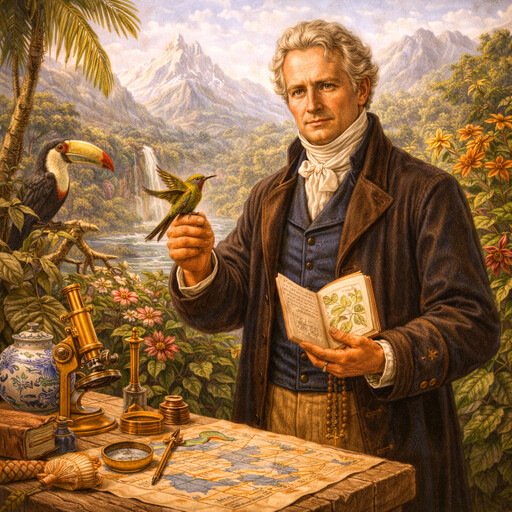
Alexander von Humboldt
Explorer of nature and the natural world
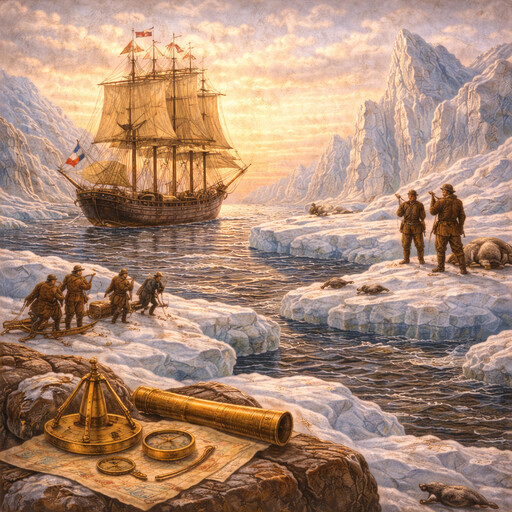
Northwest Passage
A sea route through Arctic waters
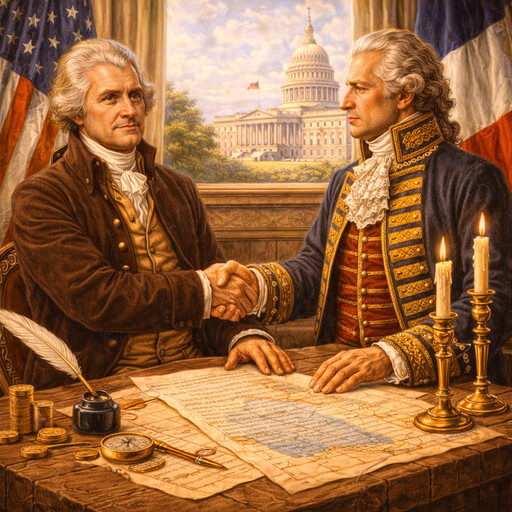
Louisiana Purchase
A land deal that doubled the United States
Conquistador
Spanish explorers and soldiers of empire