Henry Kissinger was an American diplomat, government official, and scholar. He was one of the most influential figures in United States foreign policy during the second half of the twentieth century. Foreign policy means how a country deals with other countries. Kissinger is best known for his work during the Cold War, a long period of tension between the United States and the Soviet Union. He served as both National Security Advisor and Secretary of State, which are two of the highest positions in U.S. diplomacy.
Henry Kissinger was born on May 27, 1923, in the city of Fürth, Germany. His family was Jewish. In 1938, as the Nazi government increased persecution of Jewish people, the Kissinger family left Germany. They moved to the United States and settled in New York City. Henry later became a U.S. citizen. During World War II, he served in the U.S. Army. After the war, he studied at Harvard University, where he earned degrees and later became a professor. A professor is a teacher at a university.
Kissinger became involved in government during the 1960s. In 1969, President Richard Nixon appointed him National Security Advisor. In this role, Kissinger helped shape U.S. policy on major global issues. One of his main goals was to manage relations with powerful countries. He worked on easing tensions with the Soviet Union, a process known as détente. Détente means a reduction in hostility between rival states. Kissinger also played a key role in opening diplomatic relations between the United States and the People’s Republic of China.
In 1973, Kissinger became Secretary of State while continuing as National Security Advisor for a time. As Secretary of State, he represented the United States in meetings with leaders from other countries. He traveled widely and took part in many negotiations. Negotiation is the process of discussion to reach an agreement. One important area of his work was the Middle East. After the 1973 Arab-Israeli War, Kissinger carried out "shuttle diplomacy," which involved traveling between countries to help arrange ceasefires.
Kissinger was also involved in U.S. policy during the Vietnam War. He took part in talks that led to the Paris Peace Accords in 1973. These agreements aimed to end U.S. military involvement in Vietnam. For this role, Kissinger shared the Nobel Peace Prize in 1973. The Nobel Peace Prize is an international award given for efforts to promote peace. The war, however, continued in Vietnam after the agreement.
After leaving government service in 1977, Kissinger remained active as a writer, speaker, and advisor. He wrote many books on history and international relations. International relations is the study of how countries interact with each other. Kissinger continued to comment on global events for many decades. He died on November 29, 2023, at the age of 100. His career left a lasting mark on U.S. diplomacy and global politics.
Henry Kissinger
Level
readlittle.com
American diplomat and foreign policy leader
What We Can Learn
- Henry Kissinger was a major U.S. diplomat during the Cold War
- He served as National Security Advisor and Secretary of State
- He helped shape relations with the Soviet Union and China
- He was involved in peace negotiations during the Vietnam War
Related Reads

Molotov–Ribbentrop Pact
Non-aggression agreement before World War II

Munich Agreement
1938 agreement over Czechoslovak territory

Fall of the Berlin Wall
End of Germany’s divided barrier
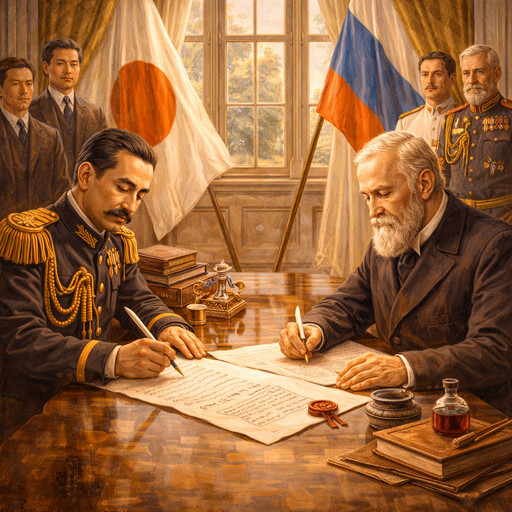
Treaty of Portsmouth
Peace agreement ending Russo-Japanese War
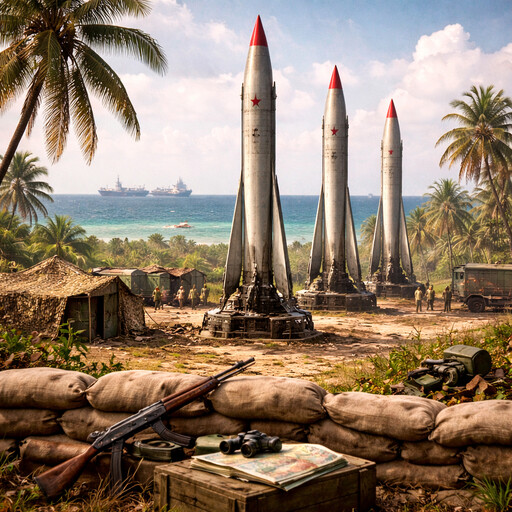
Cuban Missile Crisis
Cold War nuclear standoff in 1962
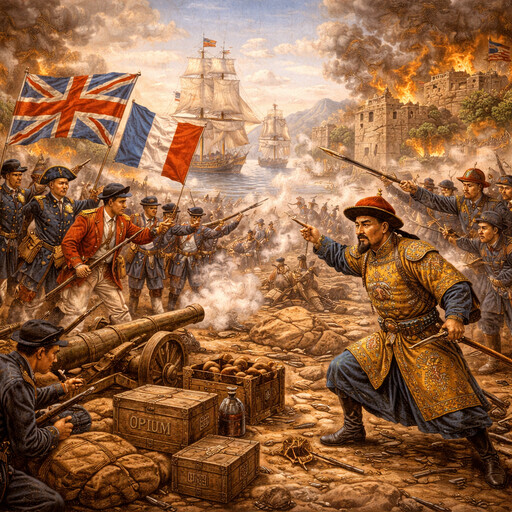
Second Opium War
Renewed conflict between China and Western powers
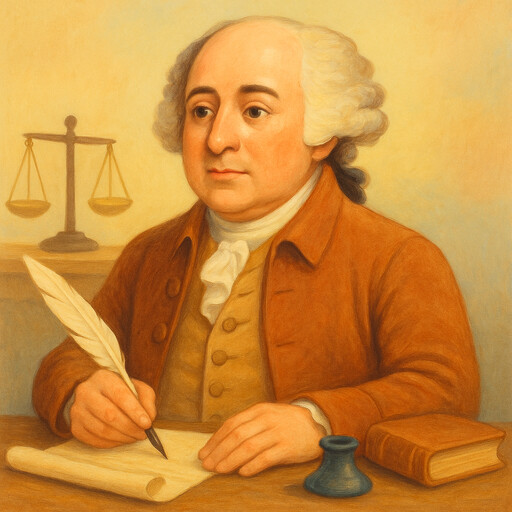
John Adams
Second president of the United States
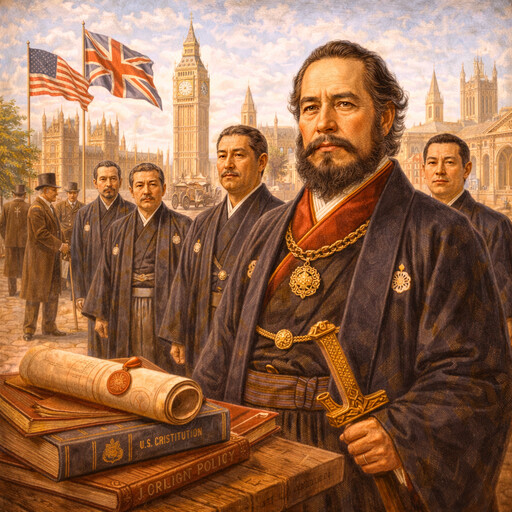
Iwakura Mission
Japanese study journey to the Western world
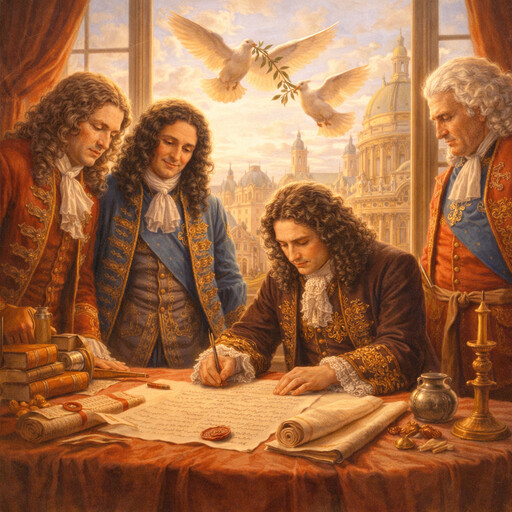
Peace of Utrecht
European treaties ending a major war
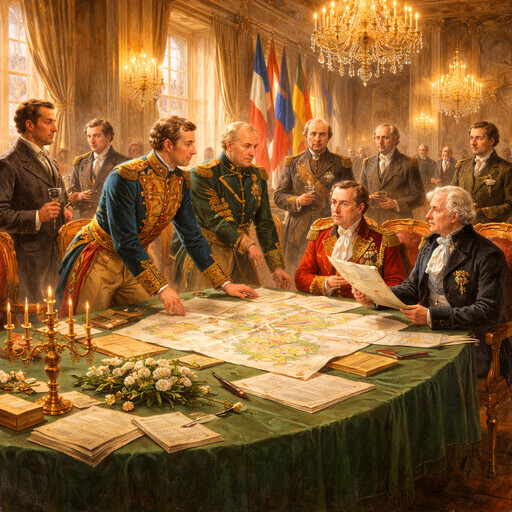
Congress of Vienna
European meeting after the Napoleonic Wars
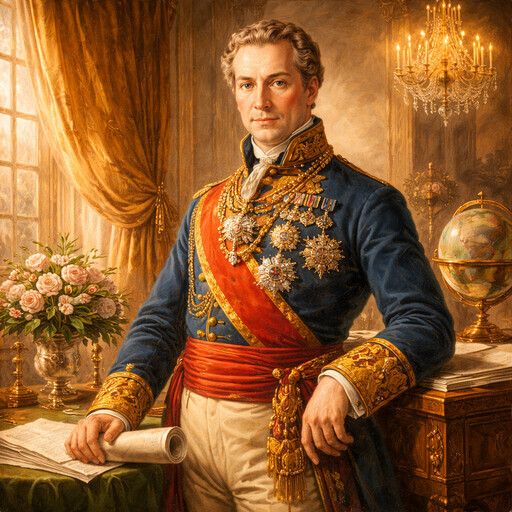
Klemens von Metternich
Austrian statesman and European diplomat
July Crisis
Diplomatic crisis before World War I