A photon is a very tiny particle that carries light and other forms of energy across space. Light can behave like a wave, but it can also behave like small particles called photons. A wave is a repeating motion that moves energy from one place to another, such as ripples on water. Photons help explain how light can move through space even though space has no air.
Photons have no mass, which means they do not weigh anything. Because of this, they always move at the speed of light. The speed of light is extremely fast. For example, light from the Moon reaches Earth in just over one second. Even though photons have no mass, they do carry energy. The amount of energy in a photon depends on its frequency. Frequency is the number of times a wave repeats in one second. Higher-frequency photons have more energy than lower-frequency ones.
Photons are related to many kinds of electromagnetic waves. Electromagnetic waves are waves made of electric and magnetic fields that move together. A field is something that can push or pull objects without touching them. Examples of electromagnetic waves include visible light, radio waves, microwaves, and X-rays. Each of these waves is made of photons, but the energy of the photons is different. For example, X-ray photons have much more energy than radio-wave photons.
Photons are created in many ways in nature. Stars, including the Sun, produce photons when very hot gases release energy. This is why sunlight warms Earth. Lightbulbs also make photons when electric current heats a thin wire. A current is the movement of electrons along a path. When the wire gets hot, it gives off photons that we see as light. Even living things can make photons. Some animals, such as fireflies, create light through chemical reactions in their bodies.
Photons can also interact with matter. Matter is anything that has mass and takes up space. For example, photons can be absorbed, which means taken in by an object. When your skin feels warm in sunlight, it is because your skin absorbs the Sun’s photons. Photons can also be reflected, or bounced off a surface. This is how mirrors work. Some materials let photons pass through them; these materials are transparent, like clear glass.
Scientists study photons to understand how light behaves and how energy moves. Photons are important in many technologies. Devices such as lasers use photons that move in the same direction and have the same frequency. Cameras collect photons to form pictures. Solar panels absorb photons from sunlight to make electricity. Learning about photons helps students understand how light shapes our world and how energy travels in space.
Photon
Level
readlittle.com
A tiny packet of light energy
What We Can Learn
- A photon is a tiny particle that carries light and energy.
- Photons have no mass and travel at the speed of light.
- Photons are part of all electromagnetic waves.
- Photons interact with matter by being absorbed, reflected, or passing through it.
Related Reads
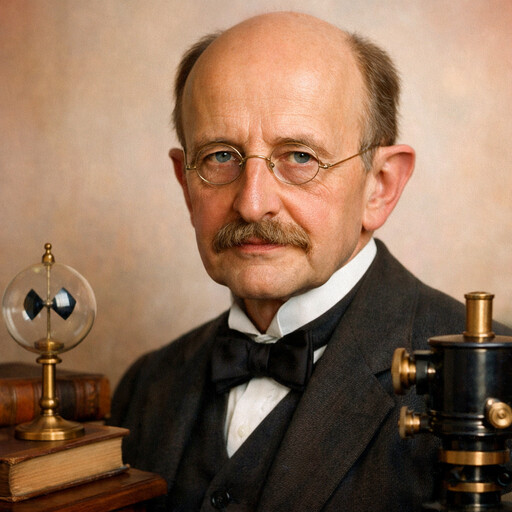
Max Planck
Founder of quantum theory
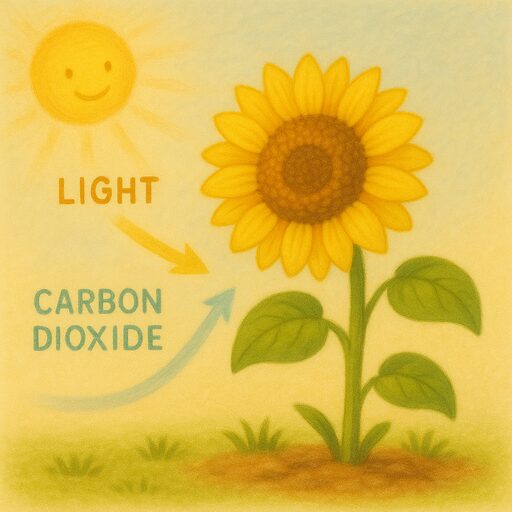
Photosynthesis
How plants make food using light
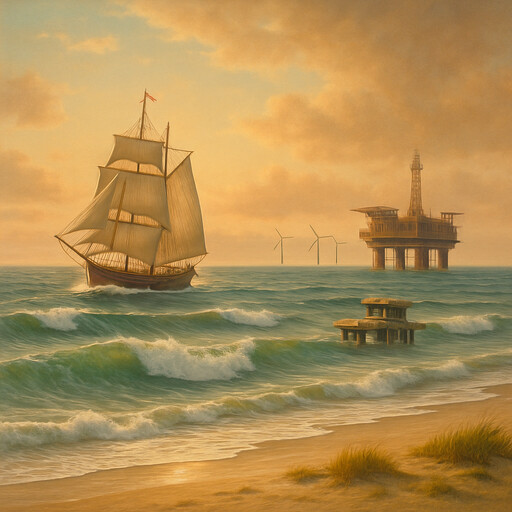
North Sea
Sea between Britain and northern Europe
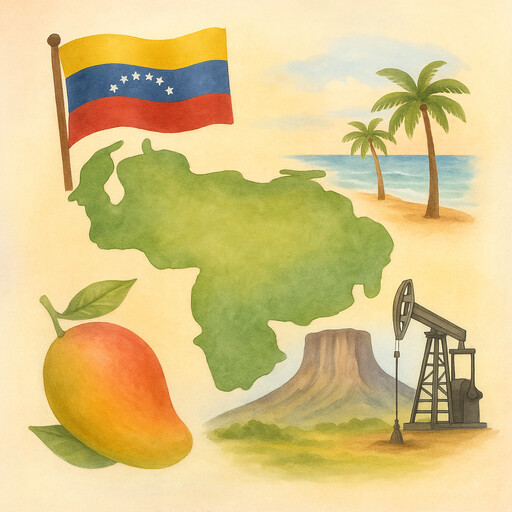
Venezuela
Caribbean coastline and oil-rich highlands
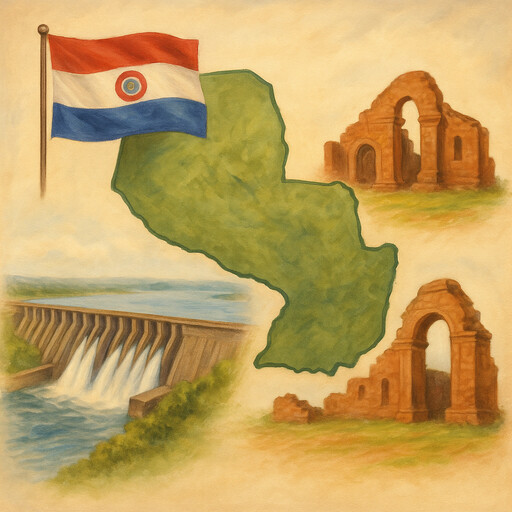
Paraguay
Landlocked nation of rivers and missions

Uruguay
Atlantic plains, mate culture, and modern policies
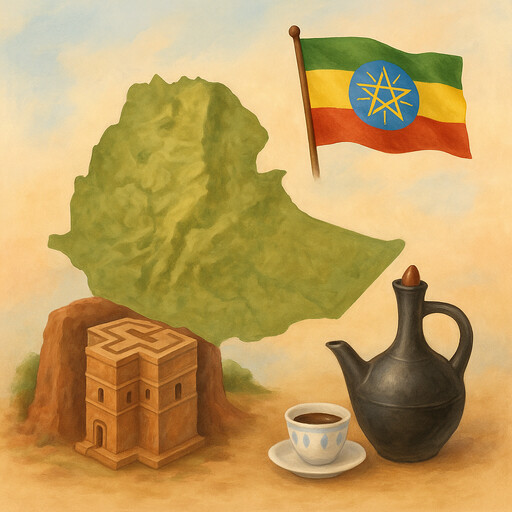
Ethiopia
Highland nation in the Horn of Africa
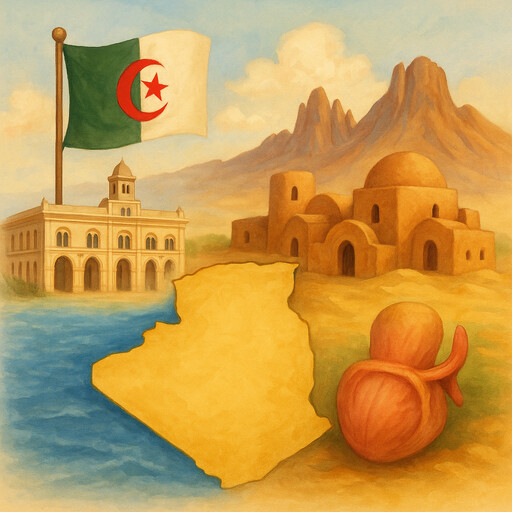
Algeria
Mediterranean coast and Sahara heartland
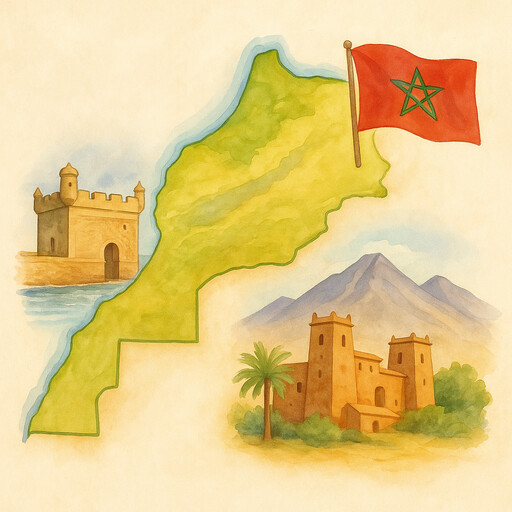
Morocco
Atlantic gateways and Atlas villages

Ghana
Gold Coast of cocoa and culture
Storm
Powerful weather driven by heat and moisture
Temperature
A measure of how hot or cold something is