Chang'an was a major city in ancient China and one of the largest cities in the world during its time. The name Chang'an means "Perpetual Peace." The city was located in central China, near the Wei River, in what is now the modern city of Xi'an. For many centuries, Chang'an served as the capital of powerful Chinese empires and was a center of government, culture, and trade.
Chang'an first became an important capital during the Han dynasty, which ruled from 206 BCE to 220 CE. Han emperors governed the empire from Chang'an and built large palaces, walls, and roads. The city was carefully planned with straight streets and organized districts. Government offices, markets, and homes were separated into areas. Chang'an was the place where laws were announced and officials were appointed.
The city reached its greatest size and population during the Tang dynasty, which ruled from 618 to 907 CE. At this time, Chang'an was one of the largest cities in the world. It had a population of over one million people, including visitors from many regions. Foreign merchants, diplomats, and students lived in special neighborhoods. This made Chang'an a very international city for its time.
Chang'an was also the eastern starting point of the Silk Road. Traders traveled west from the city carrying silk, tea, paper, and other goods. These goods moved through Central Asia and reached the Middle East and Europe. In return, items such as horses, glass, and precious stones came into China. Along with goods, ideas and religions also traveled. Buddhism entered China through these routes and spread from Chang'an to other regions.
Religion and culture played a strong role in city life. Chang'an contained Buddhist temples, Daoist shrines, and other religious buildings. The city was also known for learning and writing. Scholars studied history, poetry, and government service. Many poets of the Tang dynasty lived in or visited Chang'an. Art, music, and public ceremonies were part of daily life in the city.
After the Tang dynasty, Chang'an slowly declined in importance. Political changes and wars led later dynasties to choose other capitals. Some parts of the city were damaged or abandoned. Over time, Chang'an became smaller and changed names. Today, its site is part of modern Xi'an. Many ruins, walls, and tombs remain, showing the long history of Chang'an as a major capital city of ancient China.
Chang'an
Level
readlittle.com
Ancient capital of imperial China
What We Can Learn
- Chang'an was a capital city for several Chinese dynasties.
- It was one of the largest cities in the ancient world.
- Chang'an was the eastern start of the Silk Road.
- The city declined after the Tang dynasty.
Related Reads
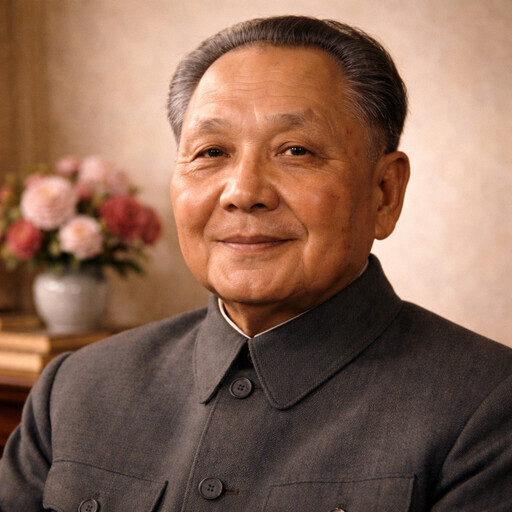
Deng Xiaoping
Chinese leader of reform era
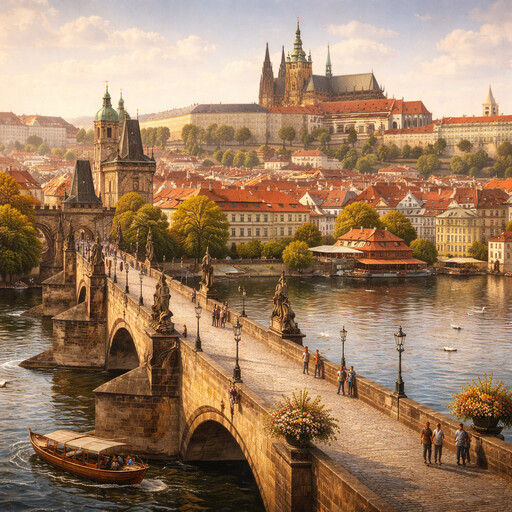
Prague
Historic capital city of the Czech Republic
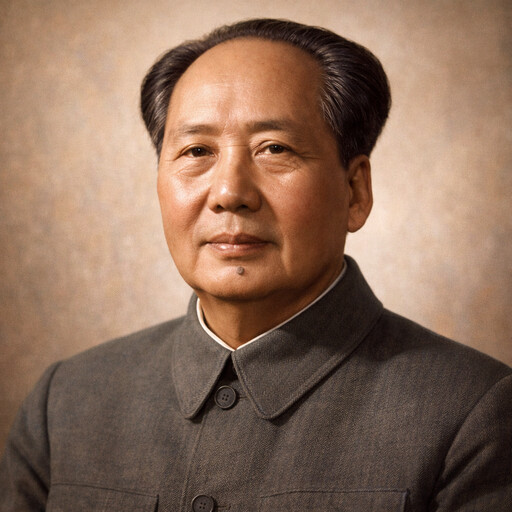
Mao Zedong
Leader of modern Communist China
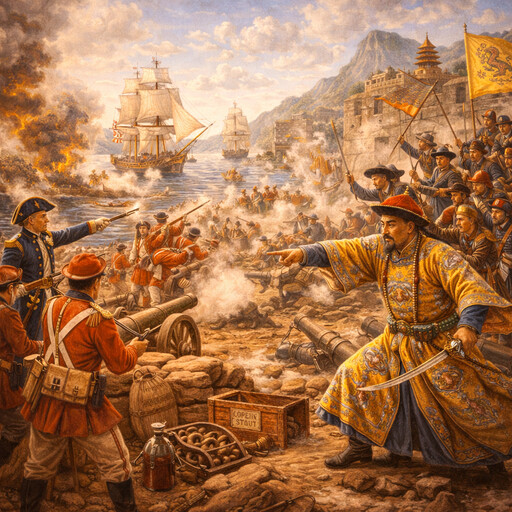
First Opium War
Conflict between Qing China and Britain
Second Opium War
Renewed conflict between China and Western powers
Qing dynasty
Last imperial dynasty of China
Treaty of Nanking
First unequal treaty between China and Britain
Ming dynasty
Chinese dynasty from 1368 to 1644
Matteo Ricci
European scholar in Ming China
Zheng He
Admiral who led great ocean voyages
Sarajevo
Capital city of Bosnia and Herzegovina
Yuan dynasty
Mongol-led dynasty of China